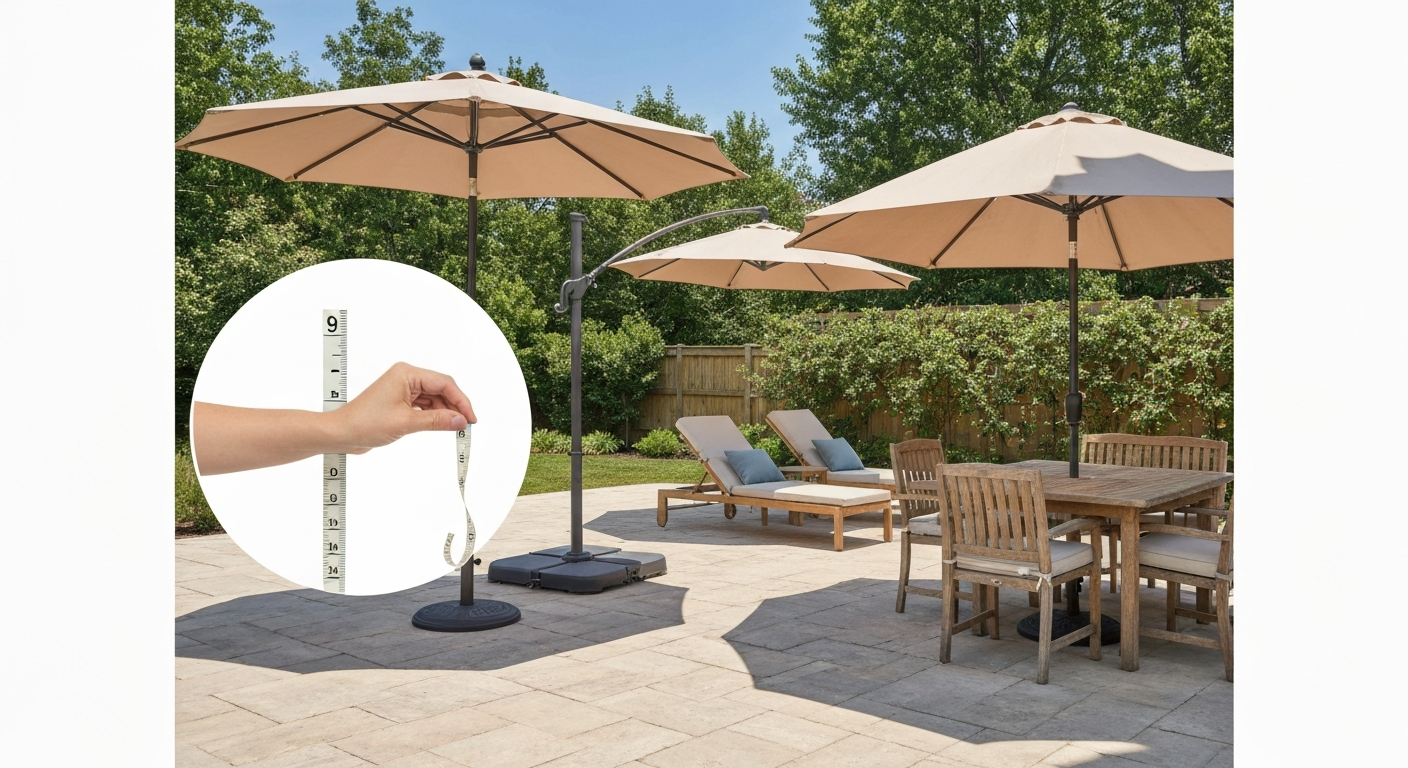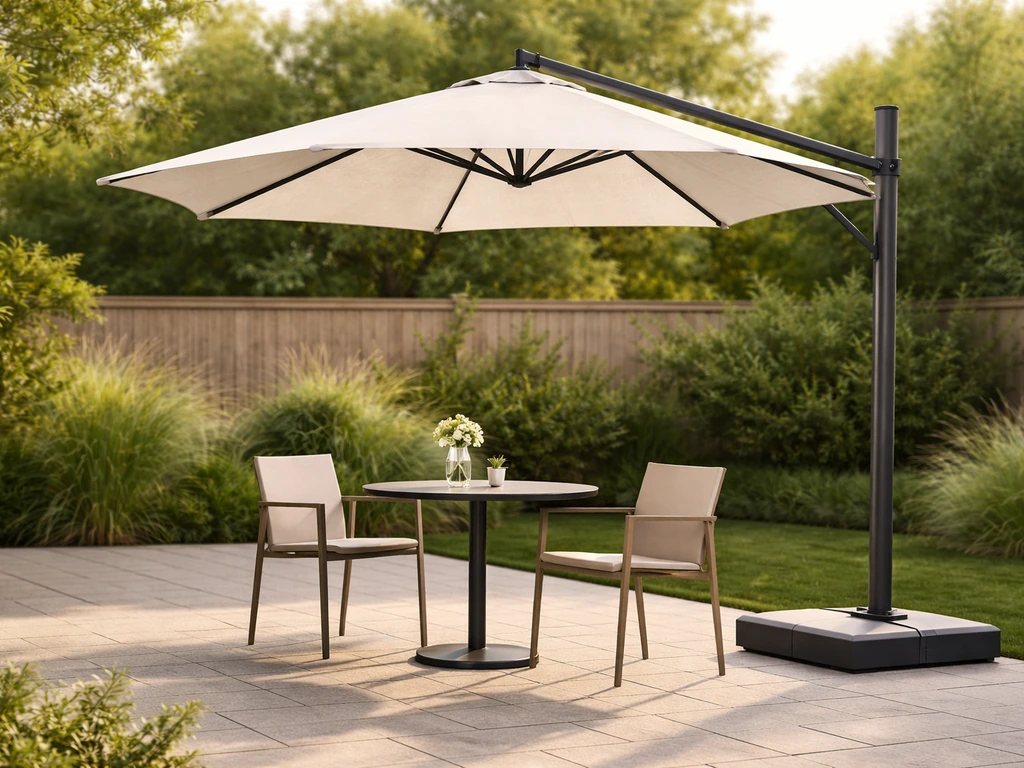
For most patios, a medium neutral like slate blue, warm gray, or taupe is the best all-around patio umbrella color. It reflects enough heat to stay comfortable, holds up well against fading, blends with nearly any furniture or flooring, and doesn't show dirt or water spots the way both very light and very dark shades do. If you have a specific goal (maximum coolness in a blazing sunny yard, a bold coastal look, or a color that hides stains), the right pick shifts a bit, and I'll walk you through exactly how to choose below. If you're also trying to figure out the best size and style for your space, follow this guide on how to choose patio umbrella next.
Best Color for Patio Umbrella: Choose Fast and Smart

Kent Lang
6 May 2026
How to choose the best patio umbrella color for your space
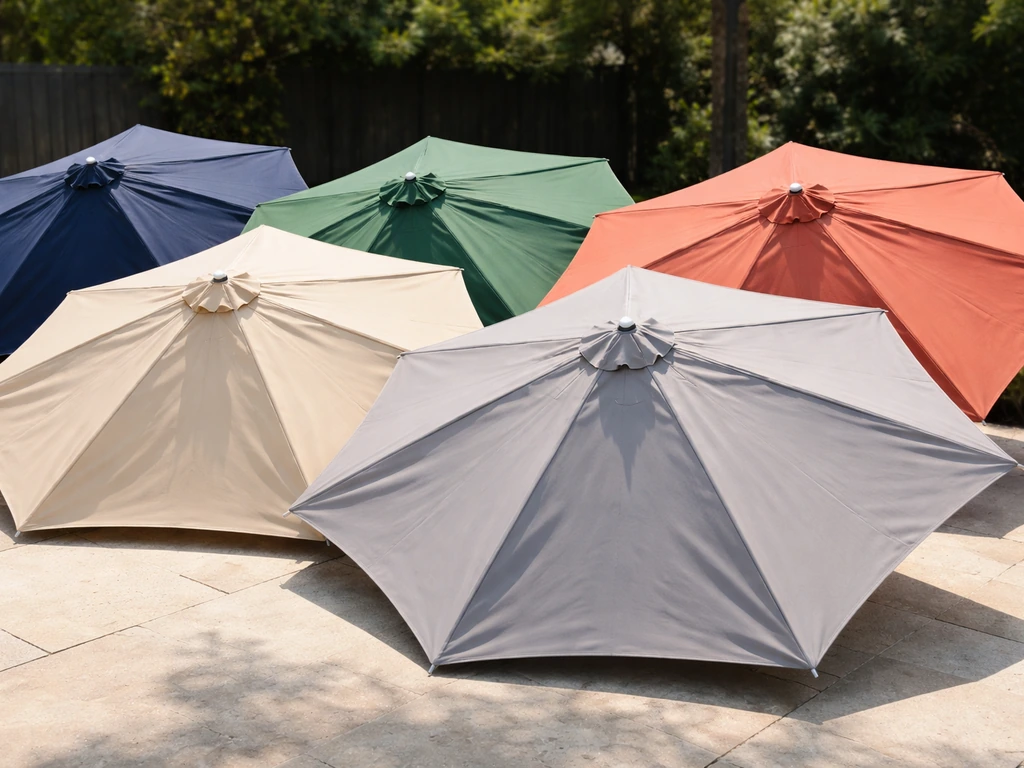
Picking an umbrella color isn't just about what looks good in a product photo. You're choosing something that will sit in direct sunlight for years, deal with rain and pollen, and have to look intentional next to your furniture and flooring. Four factors should drive your decision: how much sun and heat you're dealing with, what colors are already on your patio (furniture, cushions, flooring, walls), how much maintenance you want to do, and how quickly you want the color to fade and look dated.
The single most important thing you can do before picking a color is choose a solution-dyed acrylic fabric. Brands like Sunbrella and Recacril by Homecrest infuse color into the fiber itself before weaving, rather than dyeing the surface afterward. That means the color is throughout the fiber, not just on top, and UV-stable pigments are locked in from the start. Whether you go light or dark, bold or neutral, this fabric technology is what keeps that color looking right for years instead of washed-out within a single season. Once you're shopping solution-dyed options, then the specific color choice matters.
Color impact outdoors: light, heat, glare, and fading
Color does real physical work on a patio umbrella, not just decorative work. Light colors reflect more solar energy, which keeps the space underneath cooler. The US EPA explains that cool roofs rely on high solar reflectance, or albedo, to reflect solar heat and reduce solar heat gain Light colors reflect more solar energy, which keeps the space underneath cooler.. Research on solar reflectance shows that light-colored canopies can reduce total solar heat gain by roughly 30% compared to dark ones in hot climates. If you're sitting under a cream or light gray umbrella on a 95-degree afternoon, you'll feel that difference. Dark colors, on the other hand, absorb more sunlight and radiate heat downward, which makes the shaded space warmer than a lighter canopy would.
Glare works in the opposite direction. Dark fabrics, particularly navy, charcoal, and forest green, absorb incoming light rather than scattering it, which reduces glare and eye strain under the canopy. Light colors can bounce diffuse light around, which some people find uncomfortable when the sun angle is low. If you eat dinner outside or have a pool nearby with a lot of reflective light, a medium-to-dark color often makes the space feel more comfortable to actually sit in.
Fading is where a lot of shoppers get tripped up. Bold, saturated colors like red and bright yellow tend to fade more visibly than neutrals, even in quality fabrics, simply because pigment loss is easier to notice against a high-saturation starting point. Navy and hunter green fade toward a lighter, slightly washed version of themselves. Neutrals (gray, taupe, off-white) age more gracefully because the shift is subtle. If fade resistance is a top priority, which it should be for a long-term investment, pairing a fade-resistant fabric technology with a mid-tone neutral is your safest bet. For more on fade-resistant materials, see the best fade-resistant patio umbrellas for long-term color retention fade-resistant fabric technology. For the best fade resistance, pair that kind of fabric with the right color family so the umbrella keeps looking fresh for longer. The topic of which specific colors and fabrics hold up longest is worth diving into further on its own.
Matching your patio style and existing décor
The umbrella is the largest single piece of color on most patios, so it tends to set the tone whether you want it to or not. A reliable coordination rule is to match the umbrella fabric to your seat cushions or the finish of your tabletop. If your cushions are a warm beige with brown undertones, a taupe or sand umbrella will feel cohesive. If you have dark wicker with charcoal cushions, navy or slate works well. This isn't about being matchy-matchy, it's about tying the vertical and horizontal elements of the space together visually.
Beyond the furniture, look at what's behind and around the umbrella. A lush green yard or hedge backdrop makes earthy neutrals and warm terracotta tones read beautifully. A stone or concrete patio floor pulls toward cool grays and blues. If your house has white trim and a beige or gray exterior, you have a lot of flexibility. If your home has a strong brick or cedar color, warm neutrals and earth tones will look intentional while bright or cool tones can look disconnected.
Style also matters here. Coastal and modern spaces lean toward clean whites, light grays, and navy. Farmhouse patios work well with natural tones, warm whites, and soft greens. Classic or traditional setups often look sharp with deep hunter green, burgundy, or navy, especially on market-style umbrellas. Contemporary spaces with mixed metal furniture can handle bolder colors or geometric patterns. The point is that color should feel deliberate, not just chosen from whatever was in stock.
Best colors by common patio setups
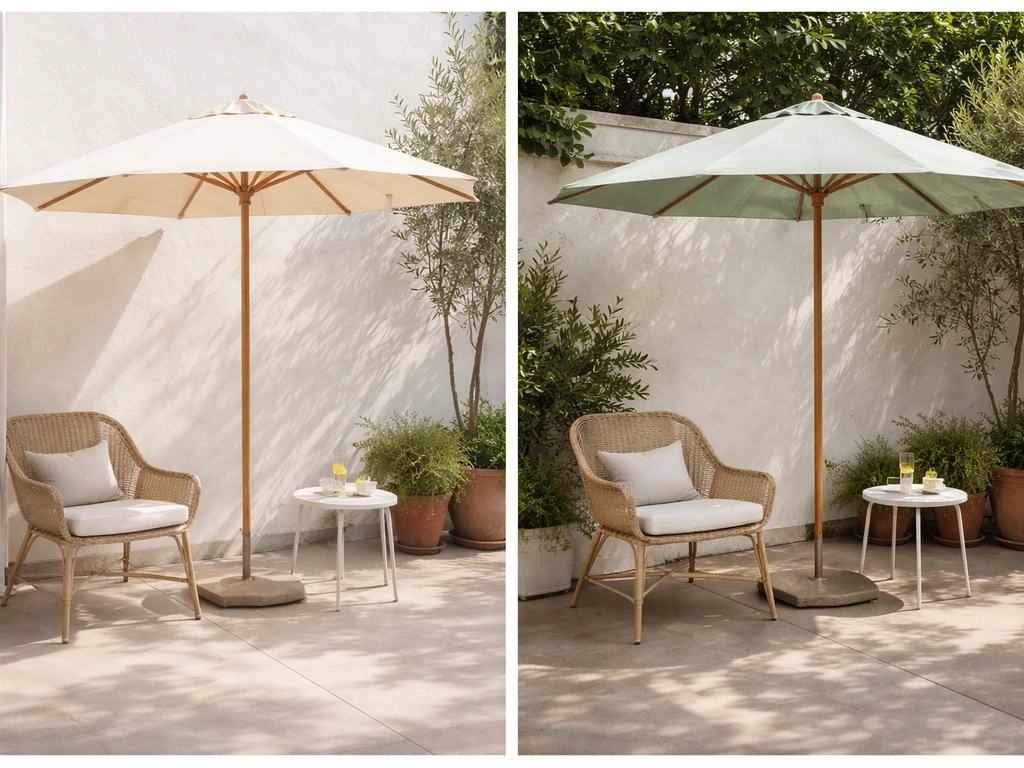
Very sunny, exposed patios with no natural shade
If your patio bakes in full sun most of the day, go lighter. For the best sun protection, choose a lighter canopy color since it reflects more solar energy and helps keep the space cooler best for sun protection. A light gray, cream, or natural white canopy blank" rel="noopener noreferrer">reflects more solar energy and keeps the space measurably cooler than a dark canopy. Off-white and pale gray also age better than pure white, which shows mildew and water staining more easily. Avoid deep navy or black on fully exposed patios where heat comfort is your primary concern.
Patios with harsh glare (pools, light concrete, open southern exposure)
For glare reduction, go darker. Navy, charcoal, and forest green absorb incoming light and reduce the bounced, scattered glare that makes people squint. If you're near a pool or have a light-colored deck that reflects a lot of ambient light, a darker canopy makes a noticeable difference in comfort. Just accept that darker canopies in full sun will be a bit warmer underneath, so a side vent on the umbrella helps.
Patios with light surroundings (white walls, light pavers, pale furniture)
With a lot of light, neutral tones nearby, a medium contrast color prevents the space from feeling washed out. Slate blue, warm taupe, sage green, or a soft charcoal gives the patio a visual anchor without overwhelming the surroundings. A pure white or cream umbrella here can disappear visually against a light backdrop and make the whole setup feel unfinished.
Patios with dark surroundings (dark wood furniture, dark tile, deep stucco walls)
Against dark surroundings, lighter or warmer umbrella tones create contrast and make the space feel more open. A warm white, cream, or light sand canopy lifts the visual weight of dark furniture and flooring. Alternatively, a coordinating dark neutral (like a charcoal or navy that matches the furniture) can look intentionally elegant if you want a moody, cohesive tone.
Homeowners who want a neutral that blends in
Warm gray and taupe are the workhorses here. They pair with virtually any furniture color, don't compete with planters or rugs, and look appropriate across different home styles. If you're not sure and want something that will still look good if you change your cushions or furniture later, a warm gray or taupe solid is almost impossible to get wrong.
Homeowners who want a bold statement color
If you want the umbrella to be a focal point, saturated colors like terracotta, cobalt blue, or a deep teal work well, but commit to quality fabric. Bold colors fade more visibly than neutrals, so solution-dyed acrylic is non-negotiable here. Terracotta and rust tones are especially durable-looking as they age because slight lightening just reads as a natural sun-warmed look. Bright red and yellow, while striking, tend to fade the most noticeably of any color family.
Homeowners who want to minimize visible dirt and staining
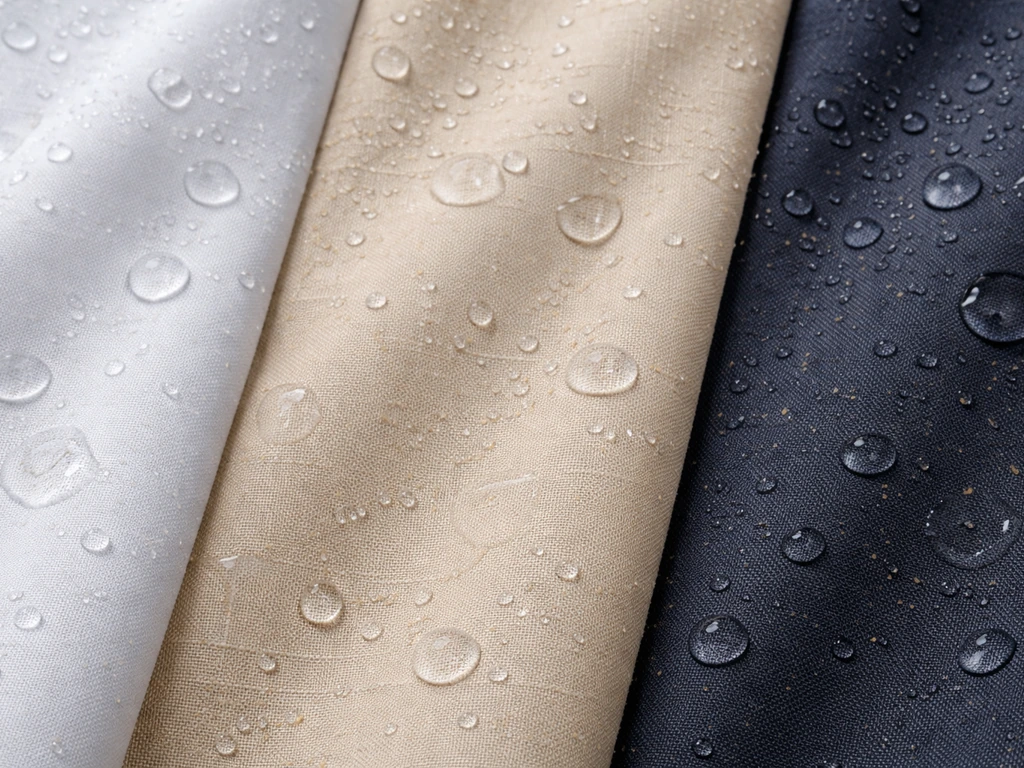
Mid-tones win here. Pure white shows every water mark, bird dropping, and pollen streak. Very dark colors (black, deep navy) show dust, dried water spots, and light debris clearly. Medium tones, taupe, slate, soft gray, warm blue, hide day-to-day buildup far better and keep the umbrella looking clean between washes. If you're in an area with heavy pollen or tree debris, this is worth factoring in heavily.
Solid vs. patterned fabrics, finish, and what that means for maintenance
Solid colors are simpler to coordinate and easier to replace in the future because you're not locked into a specific pattern. They're also forgiving if you want to update your cushions or outdoor rug without clashing. Patterned fabrics, especially stripes, can look polished and add visual interest, but they commit you more strongly to a specific palette. A classic navy and white stripe on a market umbrella is a perennial look, but if you shift your patio toward warmer tones down the road, it'll fight with the new direction.
For finish, most quality patio umbrella fabrics are solution-dyed acrylic with a water-resistant finish that sheds light rain. The key is maintaining that finish over time. Sunbrella and similar fabrics don't promote mildew growth on their own, but mildew can grow on dirt and organic debris that accumulates on the canopy. Brush off dry debris before it becomes embedded, and clean the canopy annually with a mild soap-and-water solution. For mildew or tree sap, a diluted bleach and soap mix (roughly a quarter cup of bleach and a tablespoon of dish soap per gallon of water) works well on most solution-dyed acrylic fabrics without damaging the color. Always let it air dry fully before closing the umbrella.
One maintenance move that matters more than most people realize: close your umbrella when it's not in use. Even with solution-dyed acrylic and UV-stable pigments, reducing cumulative UV exposure extends the color life meaningfully. It also protects the ribs and mechanism from unnecessary stress.
Top color picks for common scenarios and how to decide fast
| Your situation | Best color pick | Why it works |
|---|---|---|
| Blazing hot, full-sun patio | Light gray or cream | Reflects solar heat, keeps space cooler by up to ~30% vs. dark |
| Glare from pool or light deck | Navy or charcoal | Absorbs incoming light, reduces eye strain under the canopy |
| Neutral that works with anything | Warm gray or taupe | Coordinates with most furniture tones, hides dirt well, ages gracefully |
| Bold statement, coastal or modern style | Cobalt blue or teal (solid) | High visual impact; use solution-dyed acrylic to slow fading |
| Traditional or classic patio | Hunter green or burgundy | Timeless on market-style umbrellas, pairs with natural wood and stone |
| Dark furniture and dark floors | Warm white or cream | Creates contrast, lifts visual weight, brightens the space |
| Minimizing visible dirt/staining | Slate blue or mid-tone taupe | Mid-tones hide day-to-day buildup between cleanings |
| Want something that fades gracefully | Taupe, warm gray, or stone | Subtle color shifts over time look intentional rather than worn |
If you're still not sure, run through this quick checklist. First, is heat comfort your top priority? Go lighter. Is glare reduction more important? Go darker. Do you want the umbrella to blend in or stand out? Blend: warm gray or taupe. Stand out: pick a saturated solid in a quality fabric. What are your cushions or table finish doing? Match or coordinate, don't fight them. Finally, how much maintenance do you want? Mid-tones are the easiest to keep looking clean. Answer those five questions and your color range narrows down fast.
Whatever color you land on, prioritize solution-dyed acrylic fabric over everything else. That's the decision that actually determines whether your color still looks good in year three or four. The color itself is the aesthetic call, but the fabric is what makes it last. Close the umbrella when it's not in use, clean it once a year, and the right color will serve you well for a long time.
FAQ
What’s the best color for a patio umbrella when I’m unsure about my patio’s exact colors and style?
If you want the safest “best color for patio umbrella” in almost any situation, choose a mid-tone neutral in a solution-dyed acrylic (warm gray, taupe, or slate blue). These shades balance heat comfort, glare, and visible fading, and they hide typical patio dirt better than very light or very dark colors.
Will a light-colored patio umbrella turn yellow or look dirty faster than other colors?
The easiest way to keep a light umbrella from looking dingy is to avoid pure bright white and instead pick off-white, cream, or pale gray (they show less water spotting and mildew contrast). Also clean annually and fully air dry before closing to prevent trapped moisture.
Can I use a dark color patio umbrella in hot climates without making the area too warm?
If your patio gets full sun all day and you still prefer darker shades, expect more heat under the canopy. A practical compromise is going for a medium-dark, like navy or charcoal, and using a fabric with UV-stable pigments plus a side vent, which helps reduce heat buildup.
How can I predict how the umbrella color will look on my patio in different lighting?
Color appearance can shift in real life due to lighting and reflections. View fabric in both directions, with the umbrella open and with it shaded by nearby walls or furniture, ideally in late afternoon light. If possible, compare swatches against your actual cushion fabric before buying.
What’s the best color choice if I’m mainly trying to reduce glare, not heat?
If glare is your main concern, darker colors usually help because they absorb more incoming light. However, if you also care about heat comfort, choose a medium tone rather than near-black, since the brightest glare reduction comes with the darkest shades but also increases warmth.
What patio umbrella colors hide pollen and tree debris best?
For heavy pollen, medium tones are a good choice because they don’t show every speck like cream or white, and they don’t show dust and debris as strongly as black. Pair that with more frequent dry brushing (before pollen embeds) plus your annual wash.
Which umbrella colors fade more slowly, even if the fabric is high quality?
If you’re trying to avoid visible fade, prioritize solution-dyed acrylic and a color family with subtle aging, like neutrals (taupe, warm gray, off-white) or navy and hunter green. Very saturated colors like bright red or yellow tend to show pigment loss more clearly over time.
How do I choose between warm gray vs taupe vs slate blue so it actually matches my cushions?
To minimize the chance of “washed out” matching, match based on undertones and values, not just the label. For warm beige cushions, pick taupe or sand rather than cool gray, and for cool charcoal cushions, pick slate blue or cooler grays.
Should I choose a solid or a pattern for the “best color for patio umbrella” long term?
Patterned umbrellas are more likely to feel dated if your future patio palette changes, because the print locks you into a specific look. If you want flexibility, go with a solid mid-tone neutral first, then add personality through cushions or an outdoor rug.
How much does closing the umbrella when it’s not in use really affect color and mildew?
A simple rule is to close the umbrella when not in use to reduce cumulative UV exposure, even with UV-stable pigments. In addition, keep it clean of dirt and organic debris since mildew growth is usually driven by grime trapped on the fabric, not by the fabric color itself.
What color should I pick for a patio umbrella if it’s near a pool with a lot of reflected light?
If your patio is near a pool or highly reflective deck, glare can be a bigger issue than dirt, so go darker (navy, charcoal, or forest green). Just plan for the extra warmth and consider a side vent to keep the seating area more comfortable.
Can I change my patio cushions later, and will the umbrella color still work?
Yes, but use a clear coordination strategy. Match the umbrella fabric to your chair cushions or the tabletop finish, and keep the umbrella in the same “temperature” (warm vs cool) to avoid a disconnected look. For many homes, warm gray or taupe works because it bridges most wood and beige tones.