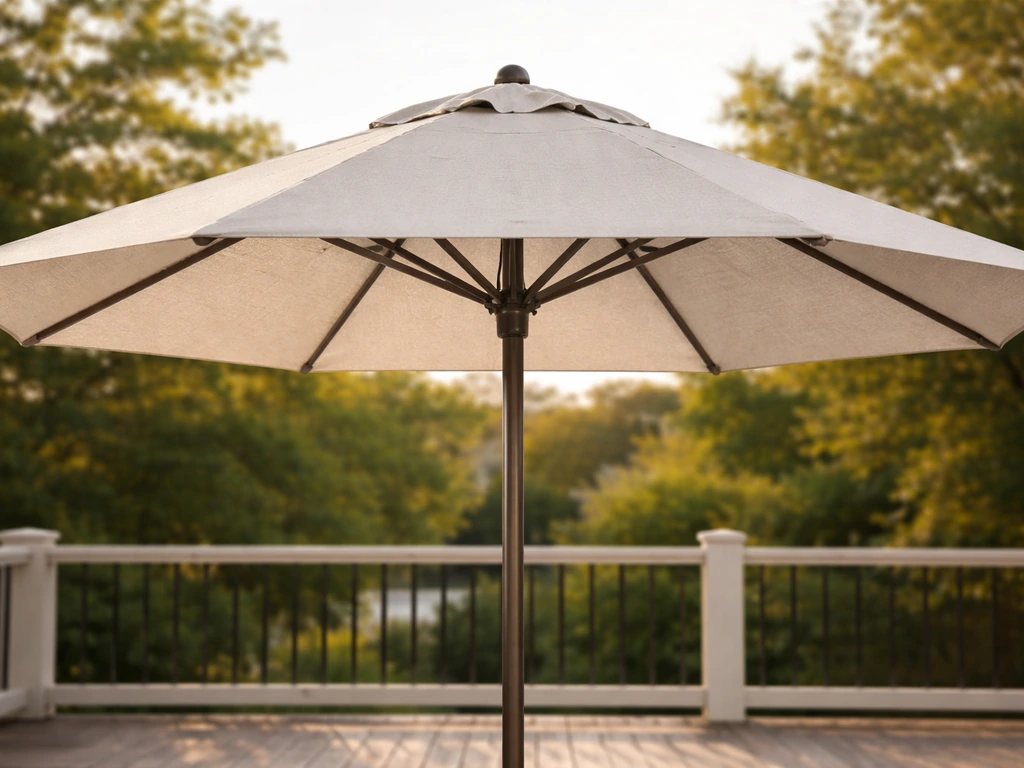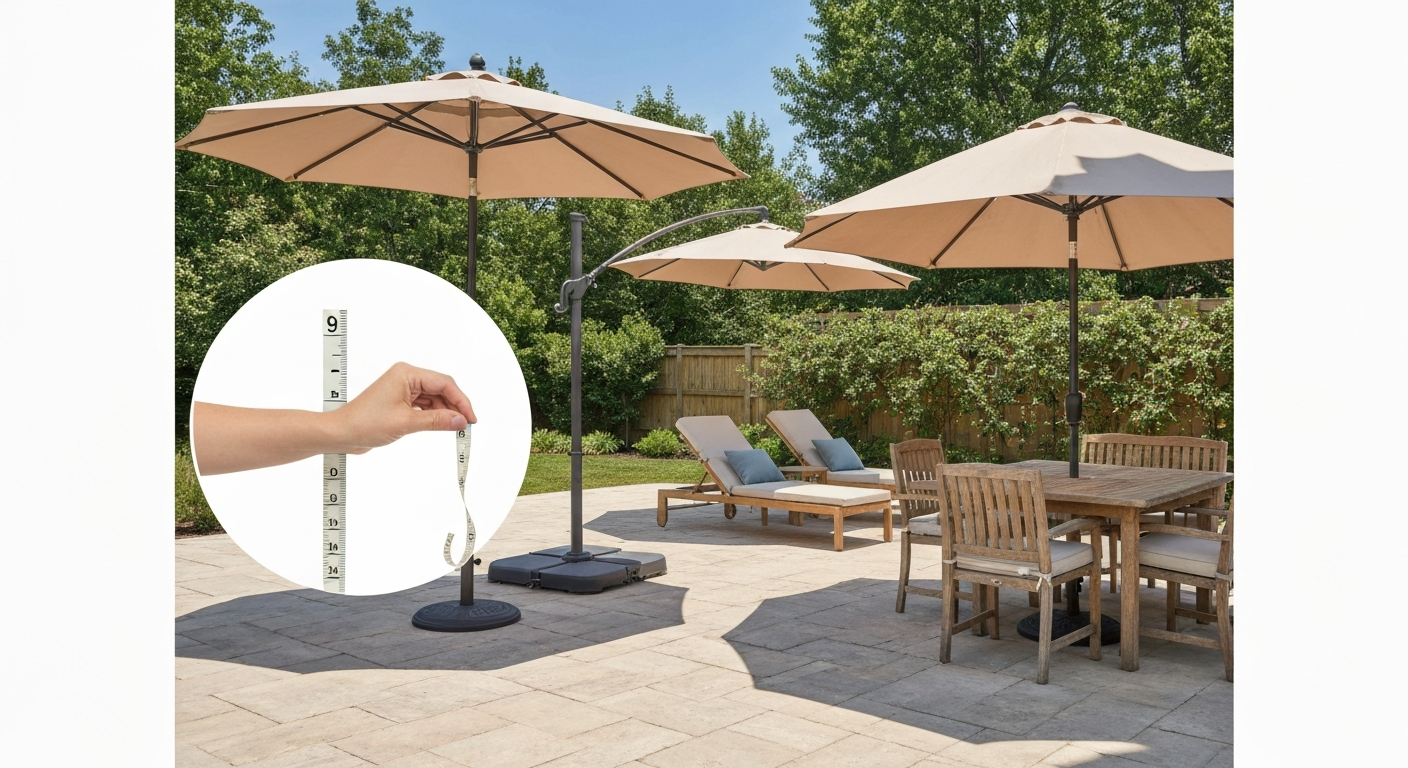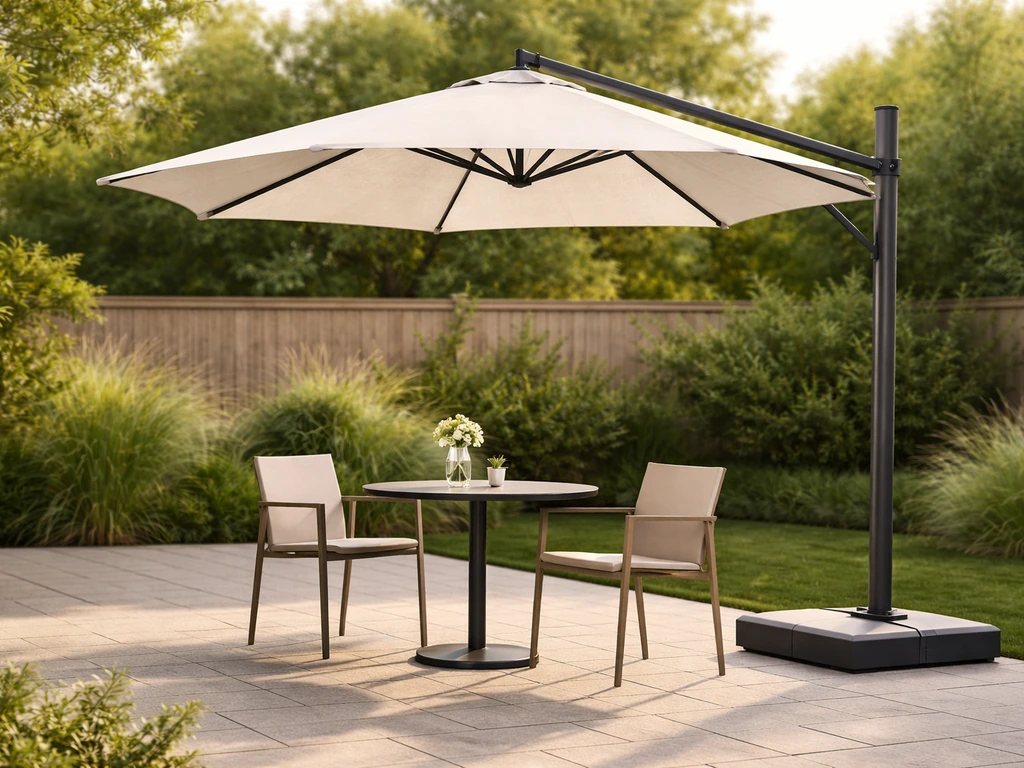
Solution-dyed acrylic is the best fabric for a patio umbrella in almost every real-world situation. It outlasts polyester and canvas on UV resistance, holds its color for years instead of seasons, dries quickly, and resists mildew without a lot of fuss. If you want one answer and you're done, that's it. But the right fabric for your specific patio depends on your climate, how much sun and rain you get, whether you store the umbrella seasonally, and how much you want to spend. This guide breaks all of that down so you can shop with confidence.
Best Fabric for Patio Umbrellas: UV, Water, Mold and Durability

Kent Lang
16 May 2026
What 'best fabric' actually means for a patio umbrella
When people ask about the best patio umbrella fabric, they're usually picturing color that doesn't wash out, a canopy that doesn't go soggy in a rainstorm, and a fabric that doesn't smell like mildew after a week of humidity. Those are the right instincts. But 'best' is doing a lot of work in that question, because fabric performance breaks down into several separate categories that don't always travel together.
- UV resistance: How well the fabric blocks ultraviolet rays and how long it takes the color to fade
- Fade resistance: Whether the color is locked into the fiber or sitting on the surface where it can bleach and wash away
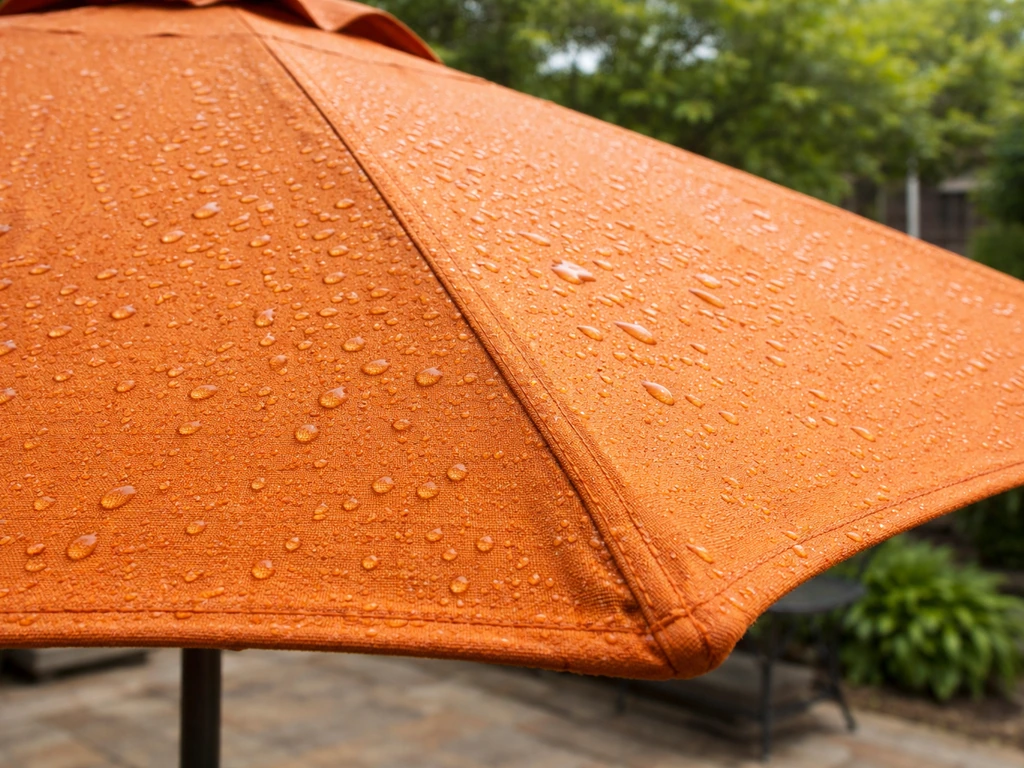
- Water resistance and dry time: Whether rain beads off or soaks in, and how quickly the canopy returns to usable condition
- Mildew and mold resistance: How the fabric performs in humid, shady, or coastal conditions where airflow is limited
- Cleanability: Whether stains and grime wipe off easily or require aggressive scrubbing
- Breathability: Whether the weave lets air move through, which affects both comfort underneath and drying speed
- Durability under strain: How the weave holds up to wind stress, folding, and years of open-and-close cycling
No single fabric maxes out every one of those categories, which is why understanding the trade-offs matters more than chasing a single 'winner.' The good news is that for most homeowners, solution-dyed acrylic hits the best balance across all of them.
The main patio umbrella fabrics, compared
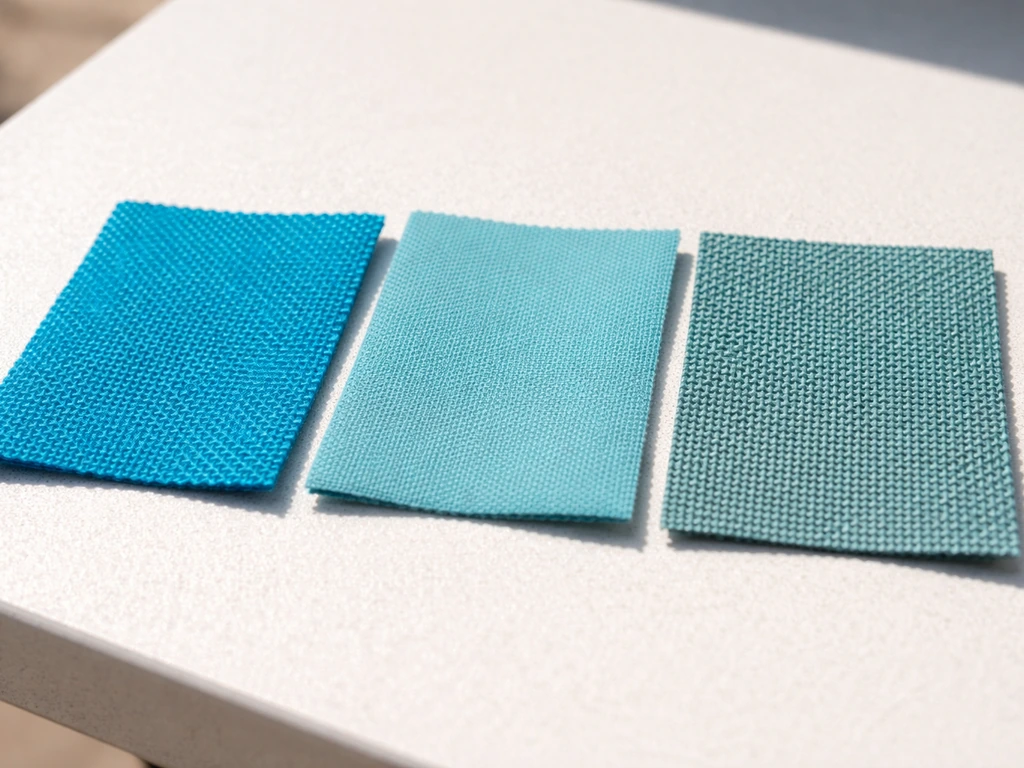
There are five fabric types you'll realistically encounter when shopping for a patio umbrella: solution-dyed acrylic, polyester, olefin (sometimes called Castaway or textilene), canvas, and blends. Here's an honest look at each.
Solution-dyed acrylic
This is the material that Sunbrella made famous, and it's the gold standard for a reason. With solution-dyed acrylic, the color is mixed into the fiber while it's still in a liquid state, before it's even extruded into a thread. That means the dye runs all the way through the fiber rather than sitting on the surface. Sun can't strip what it can't reach. Brands like Sunbrella, Recasens Recacril, and Somerton Acrylic all use this approach. The result is a fabric that typically carries a 500-hour or higher UV rating, fades slowly over many years rather than one or two seasons, and resists mildew naturally because acrylic doesn't absorb water the way natural fibers do. Most solution-dyed acrylics also get a fluorocarbon finish applied at the factory, which boosts water repellency so rain beads off rather than soaking in. The downside is price: quality solution-dyed acrylic canopies cost more upfront. But replacement canopies and full umbrella replacements cost money too, and a cheap polyester canopy that fades in two seasons is not actually the budget choice over a five-year window.
Polyester
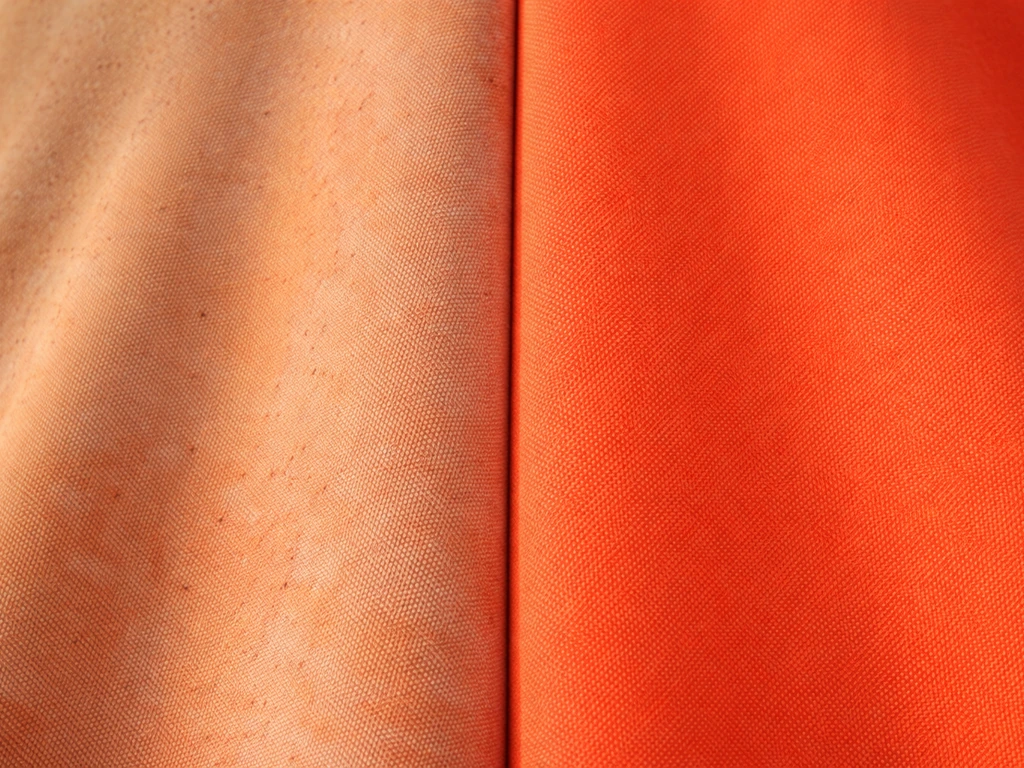
Polyester is the most common fabric on budget and mid-range patio umbrellas. It's affordable, widely available in hundreds of colors and patterns, and reasonably durable in mild conditions. The core problem is how most polyester canopies are dyed: the color is applied to the surface of the woven fabric rather than integrated into the fiber. UV light degrades that surface dye faster, so you'll typically see noticeable fading within one to two seasons of heavy sun exposure. Polyester is also more water-absorbent than acrylic, which means it takes longer to dry and creates a more hospitable environment for mildew. That said, some higher-end polyester fabrics now get solution-dyed as well, which significantly improves performance. If a polyester canopy is labeled solution-dyed, it's a much better buy than a standard surface-dyed version.
Olefin (including Castaway and textilene mesh)
Olefin is a synthetic fiber made from polypropylene that is almost always solution-dyed by nature of how it's manufactured, which gives it solid UV and fade resistance. It's typically less expensive than acrylic and dries very quickly because it's hydrophobic. Textilene, a vinyl-coated polyester mesh often used in umbrella canopies, sits in a similar category: almost zero water absorption, very fast drying, and naturally mildew-resistant. The trade-off with olefin and mesh fabrics is texture and feel. They tend to feel stiffer and less premium than a woven acrylic. Some olefin fabrics can also pill or abrade more easily under heavy use. For value-focused buyers in high-humidity or rainy climates, olefin is a genuinely strong option and worth a close look. A detailed comparison of olefin versus polyester in umbrella use is worth reading if you're deciding between the two at a similar price point.
Canvas
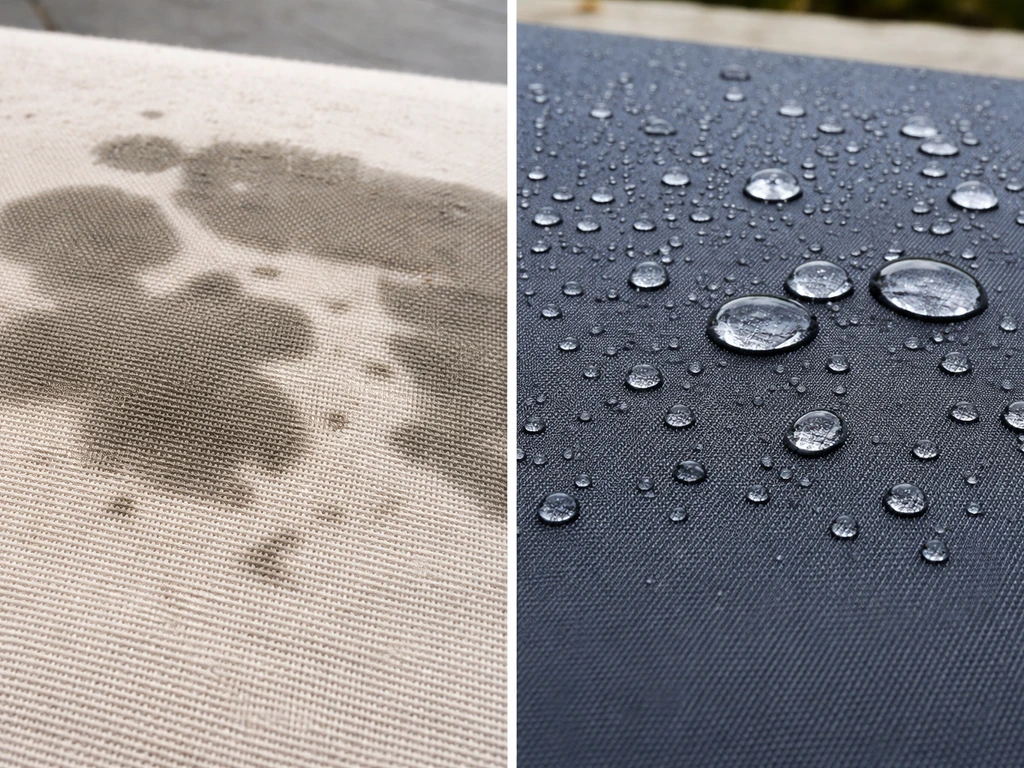
Traditional cotton or cotton-blend canvas has a classic look and decent shade coverage, but it's a poor fit for most modern outdoor umbrella applications. Natural canvas absorbs water readily, dries slowly, and is highly susceptible to mildew and rot without aggressive treatment. It also fades faster than synthetics. If you see a canopy labeled simply as 'canvas' without a specific treatment claim, approach it with skepticism. Treated canvas (using polyester or acrylic blends) performs better, but at that point you're essentially buying a blend rather than true canvas.
Blends
Fabric blends attempt to combine the best properties of multiple fibers. An acrylic-polyester blend, for example, might offer better softness than pure acrylic at a lower price point than 100% solution-dyed acrylic. Performance varies enormously depending on the blend ratio and whether the dyeing method is solution-dyed or surface-applied. When evaluating a blend, focus less on the fiber mix and more on the dyeing process and any treatment coatings applied. A 70/30 acrylic-polyester fabric that is solution-dyed and finished with a fluorocarbon treatment will outperform a 100% polyester fabric with a surface dye in almost every category that matters.
How each fabric holds up: UV, water, mildew, and fade
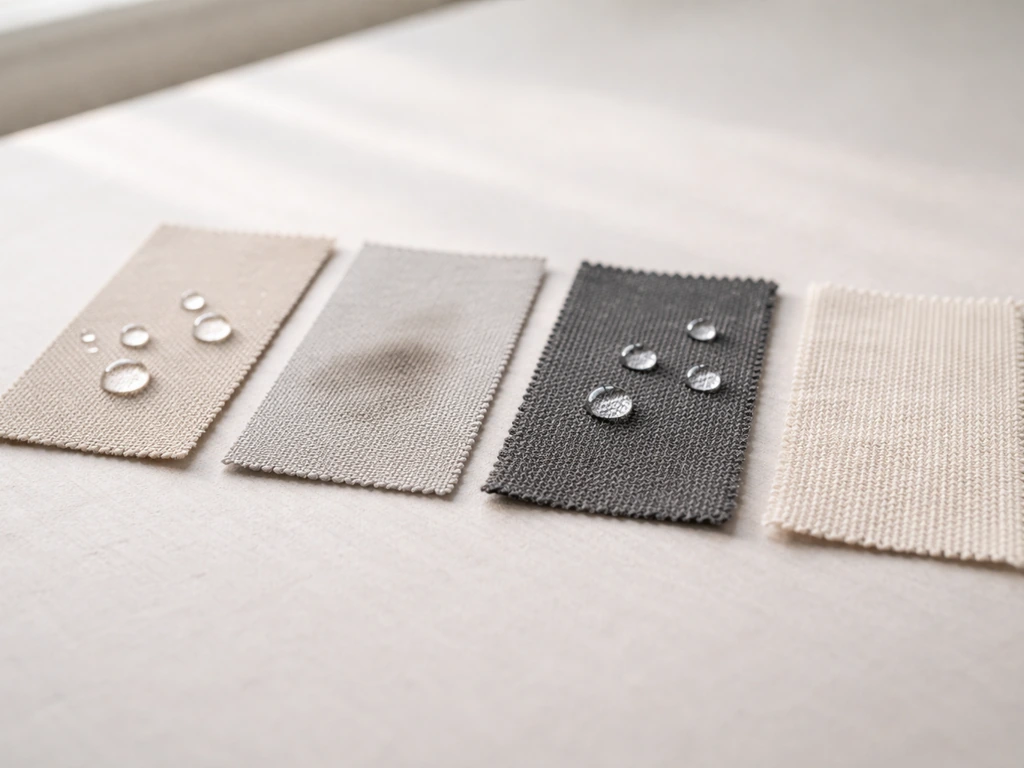
| Fabric | UV/Fade Resistance | Water Resistance | Dry Time | Mildew Resistance | Cleanability | Typical Price Tier |
|---|---|---|---|---|---|---|
| Solution-dyed acrylic | Excellent (color through fiber) | High (water-repellent with fluorocarbon finish) | Fast | Excellent | Easy | Mid to premium |
| Polyester (surface-dyed) | Fair (fades in 1-2 seasons) | Moderate (absorbs water) | Slow | Fair to poor | Moderate | Budget to mid |
| Polyester (solution-dyed) | Good | Moderate | Moderate | Good | Moderate | Mid |
| Olefin / textilene mesh | Good to very good | Very high (hydrophobic) | Very fast | Very good | Easy | Budget to mid |
| Canvas (untreated) | Poor | Low (absorbs water) | Very slow | Poor | Difficult | Budget |
| Acrylic-polyester blend (solution-dyed) | Good | Good | Moderate to fast | Good | Easy to moderate | Mid |
One nuance worth calling out: water-repellent and waterproof are not the same thing. Solution-dyed acrylic canopies like Sunbrella are water-repellent, meaning water beads on the surface and runs off, but a sustained heavy downpour will eventually push through the weave. If you need full waterproofing, you'd need a laminated or coated fabric, which comes with its own trade-offs in breathability and longevity. For the vast majority of outdoor umbrella use, water-repellent is perfectly adequate.
Picking the right fabric for your actual conditions
The best fabric for a patio in Phoenix, Arizona is different from the best fabric for a covered porch in the Pacific Northwest or a poolside setup on the Gulf Coast. Here's how to think through your specific situation.
High sun and heat (desert climates, southern exposures)
This is exactly the scenario solution-dyed acrylic was built for. Intense UV is the fastest way to destroy a cheap canopy. In Phoenix or Las Vegas, a surface-dyed polyester canopy can look washed out within a single summer. Spend the extra money on a 100% solution-dyed acrylic canopy with a reputable brand name and you'll get five to ten years of color before you see meaningful fade. Look for fabrics with high UV protection ratings and confirmed solution-dyed construction.
Rainy climates and sprinkler-heavy yards
If the canopy is frequently wet, drying speed and mildew resistance become critical. Solution-dyed acrylic still performs well here, but olefin and textilene mesh options also earn their place. Mesh canopies in particular dry almost instantly because the structure is mostly open. The trade-off is that mesh provides less shade density. If you're in a rainy climate and want maximum shade, solution-dyed acrylic with the fluorocarbon finish is still your best friend; just make sure you're letting it air-dry fully before closing or storing the umbrella.
Coastal and salt-air environments
Salt air is corrosive not just to metal frames but to fabric coatings and dyes. In coastal settings, the fluorocarbon finish on solution-dyed acrylic helps protect against salt deposit buildup, and the mildew resistance becomes even more valuable because humidity is constant. Rinse the canopy with fresh water regularly, especially after storms, to flush out salt. Olefin is also a reasonable coastal choice because it doesn't absorb salt-laden moisture the way cotton or untreated polyester would.
Seasonal use with winter storage
If you're pulling the umbrella down for six months every winter, you have more flexibility. The fabric sees less cumulative UV exposure, so you can afford a step down in quality without the same penalty. A mid-grade solution-dyed polyester or a quality olefin fabric can last many years with proper seasonal storage. The most important thing when storing is making sure the canopy is fully dry before it goes into a bag or shed. Even a small amount of residual moisture trapped in a storage bag will produce mildew by spring.
Year-round use with no storage
This is the hardest test for any canopy fabric. If the umbrella stays up through rain, wind, and year-round sun without coming down, you need the best fabric you can afford. Solution-dyed acrylic is essentially mandatory here. Pair it with a vented canopy design to reduce wind stress on the fabric, and use a canopy cover for the off-peak months if you're not actively using it. No fabric is indestructible, but quality acrylic in this scenario should give you five-plus years before it looks tired.
Cantilever and offset umbrellas vs. center-pole market umbrellas
The umbrella style also affects fabric demands. Cantilever and offset umbrellas put more angular stress on the canopy because the fabric hangs from the side rather than sitting flat on a symmetric frame. This means the weave and seam quality matter a bit more for cantilevers, and a dense, tightly woven solution-dyed acrylic holds up better under that strain than a loose or lightweight polyester. For standard center-pole market umbrellas with a protected patio location, a quality olefin or solution-dyed polyester can be a good value without giving up too much performance.
Reading the label: what the specs actually tell you
Umbrella listings are full of marketing language that can be misleading if you don't know what to look for. Here's what actually matters when you're reading a product spec sheet or hang tag.
- Solution-dyed: This is the most important label to look for. It tells you the color is in the fiber, not on the surface. If the listing says 'fade-resistant' but doesn't say solution-dyed, the claim is much weaker.
- 100% acrylic vs. acrylic blend: 100% solution-dyed acrylic gives you the highest UV performance. A blend can be fine, but look for the ratio and whether the blend is also solution-dyed.
- Fluorocarbon or DWR finish: This is the factory-applied water-repellent treatment. It boosts how well rain beads off the fabric. Some brands call it 'Infinity Process' (Recasens) or describe it as a fluorocarbon finish (Sunbrella). It matters, especially in wet climates.
- Anti-mould or anti-stain barrier: Some advanced finishes, like Recasens' Infinity treatment, explicitly create an anti-stain and anti-mould barrier at the fiber level while still allowing the canvas to breathe. If you see this claimed and backed by a reputable brand, it's a genuine differentiator.
- GSM (grams per square meter): Higher GSM generally means a denser, heavier weave. For umbrellas, a weight in the 280-350 GSM range is typical for quality acrylic canopies. Very lightweight fabrics at 150-200 GSM are more susceptible to tearing and provide less UV block.
- UV protection rating (UPF): Some umbrella fabrics are rated for Ultraviolet Protection Factor. A UPF 50+ rating blocks 98% of UV rays. Not all canopies list this, but it's a useful quality signal when it appears.
- Water-repellent vs. waterproof: Repellent means water beads off under normal conditions. Waterproof means it won't pass water through even under sustained pressure. Most quality umbrella fabrics are repellent, not waterproof, and that's fine for typical use.
- Bleach-cleanable: Some solution-dyed acrylics can tolerate a diluted bleach cleaning solution for mold removal. This is a meaningful maintenance advantage. If bleach cleaning is listed as acceptable for the fabric, it's usually a signal of high-quality construction.
Keeping the fabric in good shape: cleaning and storage
Even the best fabric will degrade faster than it should if you neglect basic maintenance. The good news is that solution-dyed acrylic is genuinely low-maintenance compared to most alternatives. Here's what actually works.
Routine cleaning
The single most effective thing you can do is rinse the canopy with fresh water regularly, especially before dirt and pollen have a chance to cake on and work into the weave. A garden hose is enough for routine rinsing. For deeper cleaning, a mild soap solution applied with a soft brush (not a stiff bristle brush that can abrade the fluorocarbon finish) followed by a thorough rinse handles most grime. Avoid abrasive cleaners, bleach unless the manufacturer explicitly permits it for that fabric, and pressure washers at close range, which can damage the weave and strip protective coatings.
Dealing with mildew
If you see dark spots starting to appear on the canopy, that's mildew, and you want to address it before it spreads. For solution-dyed acrylic canopies, a diluted bleach solution (typically 1 cup bleach per gallon of water with a small amount of mild soap) is often recommended by manufacturers and can be used safely because the color is in the fiber rather than on the surface. Apply the solution, let it sit for a few minutes, scrub gently, and rinse thoroughly. Always let the canopy dry completely in open air before closing the umbrella. Check your specific fabric's care instructions before using bleach, as not all fabrics tolerate it.
Storage and covering
If you're storing the umbrella for winter or extended periods, the canopy must be completely dry before it goes into a storage bag. Even slight dampness sealed in a bag will produce mildew within weeks. If you're leaving the umbrella up but not using it regularly, a quality canopy cover that allows some airflow is a smart investment. Covers that trap moisture are almost worse than no cover at all. When you do close the umbrella for storage, make sure the ribs aren't pressing the wet fabric together in a way that creates moisture pockets.
Refreshing the water repellency
The fluorocarbon finish that makes water bead off a new canopy does diminish over time with sun exposure and cleaning. Umbrella Source also notes that rinsing away dirt before it builds up helps keep umbrellas looking good for years and that a fluorocarbon finish boosts water repellency. You can reapply a DWR (Durable Water Repellent) spray treatment to refresh this performance. Sunbrella and other acrylic fabric brands sell compatible spray treatments, and generic DWR sprays designed for outdoor fabrics also work. Apply to a clean, dry canopy, let it cure, and you'll restore much of the original water-beading behavior.
Best fabric recommendations by scenario
Here's the bottom line, organized by real situations rather than abstract fabric specs.
| Scenario | Best Fabric Choice | Why |
|---|---|---|
| Best overall, any climate | 100% solution-dyed acrylic (Sunbrella, Recacril, or equivalent) | Best UV, fade, mildew resistance with easy cleaning; worth the price for long-term value |
| Budget buy, mild climate with storage | Solution-dyed olefin or solution-dyed polyester | Good UV and mildew resistance at lower cost; acceptable if not in intense sun year-round |
| Rainy or high-humidity climate | Solution-dyed acrylic or olefin (textilene mesh for fastest drying) | Fast drying and mildew resistance are critical; both handle wet conditions well |
| Coastal / salt-air environment | Solution-dyed acrylic with fluorocarbon finish | Salt resistance and easy rinsing; rinse frequently with fresh water to prevent buildup |
| Year-round use, no storage | 100% solution-dyed acrylic, vented canopy design | Maximum durability needed; venting reduces wind stress on the fabric |
| Cantilever / offset umbrella | 100% solution-dyed acrylic with quality seam construction | Angular stress on fabric demands dense weave and strong seams |
| Pool or sprinkler-heavy yard | Olefin / textilene mesh or solution-dyed acrylic | Hydrophobic olefin dries fastest; acrylic better if you want denser shade coverage |
| High-sun desert climate | 100% solution-dyed acrylic, highest available UPF rating | UV is the top threat; only solution-dyed acrylic holds color for years in intense sun |
If you're shopping for a specific umbrella style and want to go deeper, the comparison between olefin and polyester is especially useful if you're working with a mid-range budget. If you're weighing olefin versus polyester patio umbrellas at a similar price point, focus on dye method and how quickly each fabric dries after rain. And if the pole and frame material is also part of your decision, the fabric choice often pairs naturally with frame material: a premium solution-dyed acrylic canopy belongs on a quality aluminum or fiberglass frame, not a cheap steel or wood pole that will fail before the fabric does. If you want the best overall setup, match that high-quality canopy with a durable patio umbrella pole material such as rust-resistant aluminum or fiberglass. Steel and aluminum umbrella frames are judged more on corrosion resistance and how the frame is finished, while the fabric choice mainly affects fade, water repellency, and mildew. When you are choosing between fiberglass and aluminum patio umbrella frames, the material can affect durability and how well the umbrella holds up over time fiberglass vs aluminum patio umbrella. For frame and pole choices, you can also weigh patio umbrella wood vs aluminum based on moisture exposure and long-term durability.
The final word: buy the best solution-dyed acrylic canopy you can afford, check the label for the solution-dyed callout and a fluorocarbon or anti-mould finish, rinse it regularly, let it dry fully before closing, and reapply DWR spray every year or two. If you're shopping for the best fiberglass patio umbrella, prioritize a solution-dyed acrylic canopy with a fluorocarbon or anti-mould finish so the fabric keeps its color and resists mildew long-term. If you're comparing options, look for solution-dyed acrylic and confirm the fabric is treated to resist UV and mildew over time. Do those things and the fabric will be the last part of your patio umbrella to give out. If you are shopping for a best wood patio umbrella, match the fabric choice to how much sun and rain your space gets so the canopy stays looking new.
FAQ
How can I tell if an acrylic umbrella canopy is truly solution-dyed (not just marketed as “acrylic”)?
Check the listing for explicit wording like “solution-dyed,” “solution dyed acrylic,” or a brand note that dye is integrated into the fiber. If the spec only says “acrylic fabric” or focuses on colorfastness without mentioning solution-dyed construction, treat it as surface-dyed and expect faster fading than the top tier.
Is a waterproof patio umbrella fabric better than water-repellent for everyday rain?
Not always. True waterproofing usually uses laminates or heavy coatings that can trap moisture and reduce breathability. For most patio use, water-repellent (beading and runoff) is the better balance, as long as you allow the canopy to dry fully before closing or storing.
What’s the fastest way to prevent mildew if my umbrella stays mostly closed?
Rinse after rain and keep the canopy in a position where air can reach it, even when “closed.” Before you store it, confirm it is completely dry, including along seams and around the canopy edge where dampness gets trapped.
Can I use a pressure washer on the canopy to remove dirt or pollen?
Avoid pressure washing at close range. It can damage the weave and strip the water-beading finish, which then increases how quickly the fabric absorbs water and dirt. Use a garden hose rinse for routine cleaning, and for deeper grime, use mild soap with a soft brush followed by thorough rinsing.
If bleach removes mildew on solution-dyed acrylic, will it damage the fabric color over time?
It can, depending on concentration, dwell time, and whether the manufacturer approves it. Use the weakest recommended dilution, keep the contact time short (a few minutes), scrub gently, and rinse thoroughly. If your listing has no bleach guidance, switch to a fabric-safe mildew remover or follow the care label.
When should I reapply DWR spray, and how do I know it’s time?
Reapply when water no longer beads consistently and instead wets out quickly or leaves darkened patches after rain. Typically, plan on refreshing about once per year or two, but humidity, cleaning frequency, and heavy sun can shorten that window.
Are mesh canopies (like textilene) good enough if I want maximum shade?
Mesh dries extremely fast, but it generally provides less shade density than tightly woven acrylic. If you need strong shade, prioritize a denser solution-dyed acrylic canopy, and only choose mesh if rapid drying is your top priority.
What fabric should I choose for a coastal patio near salt air?
Look for solution-dyed acrylic with an anti-mould or fluorocarbon-style water-beading finish, and plan to rinse with fresh water regularly after storms to flush salt deposits. Olefin can also work well because it does not absorb moisture the way natural fibers do.
How much seasonal storage prep actually matters for the canopy fabric?
A lot. Even small residual dampness sealed in a bag can produce mildew quickly. Let the canopy air-dry fully, avoid storing with ribs pressed in a way that creates moisture pockets, and consider a breathable cover if the umbrella is left up between uses.
Does the umbrella style change which fabric is “best” to buy?
Yes. For cantilever or offset umbrellas, the canopy experiences more angular stress, so seam strength and fabric tightness matter. A dense, tightly woven solution-dyed acrylic usually holds up better under that strain than a looser, lighter polyester.
If my umbrella is mostly under a covered patio, do I still need the best fabric?
You can usually spend less if UV exposure is low and rain is infrequent. However, you still want quick-drying, mildew-resistant fabric if humidity is high. Choose solution-dyed acrylic for peace of mind, or a good olefin/quality solution-dyed polyester if the cover significantly reduces sun and wetting.