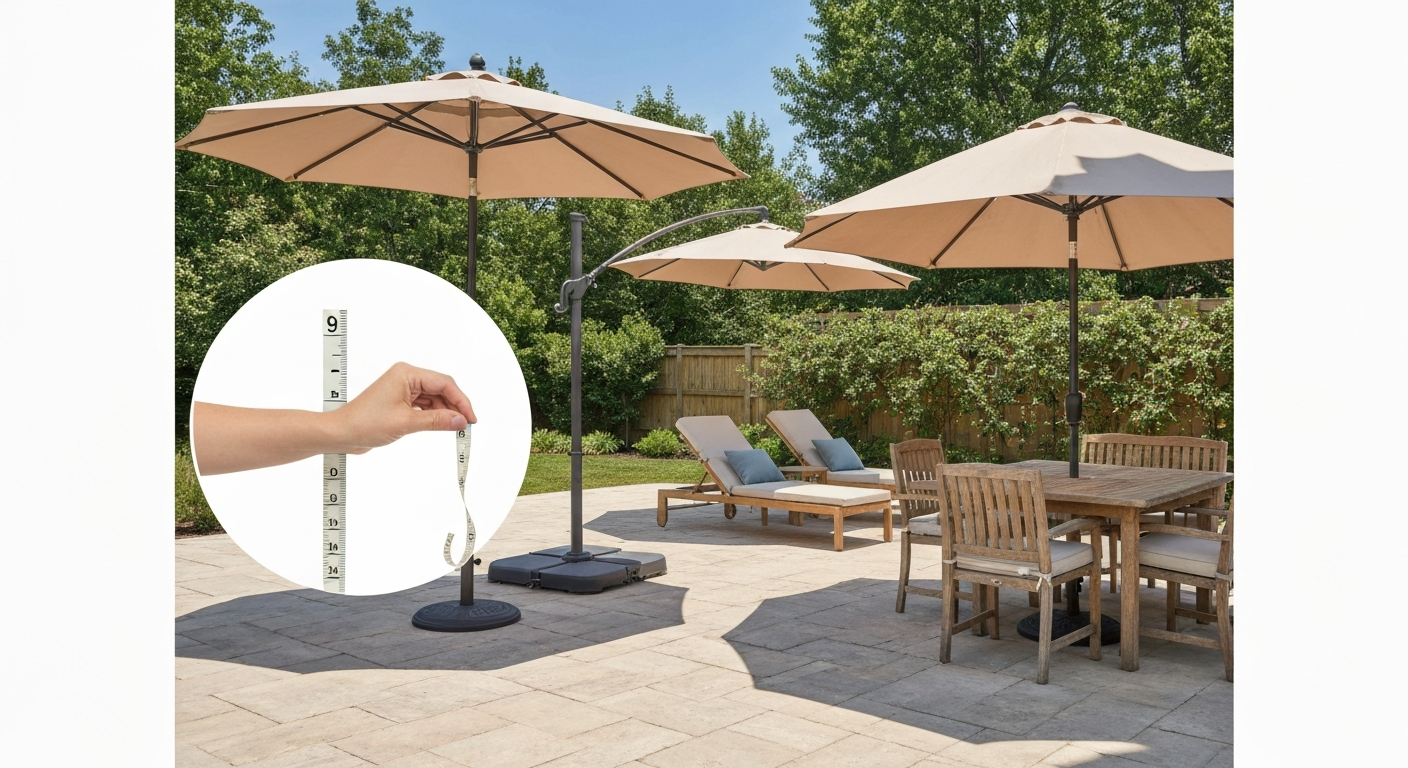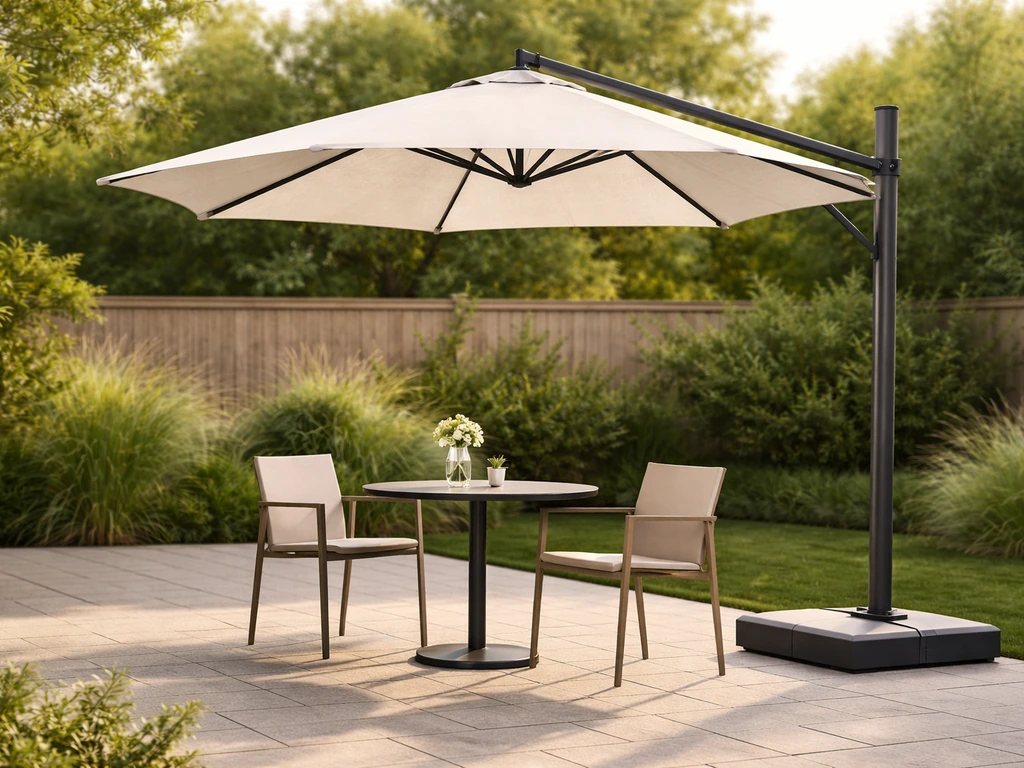
The best choice patio umbrella for your setup comes down to three things: size that actually covers your table and seating, a style (market, offset, or cantilever) that fits how your patio is laid out, and materials sturdy enough to handle your local weather without fading or blowing over. Get those three right and the rest is just fine-tuning.
Best Choice Patio Umbrella Buying Guide for Any Patio

Kent Lang
4 May 2026
What 'best choice' actually means for your patio
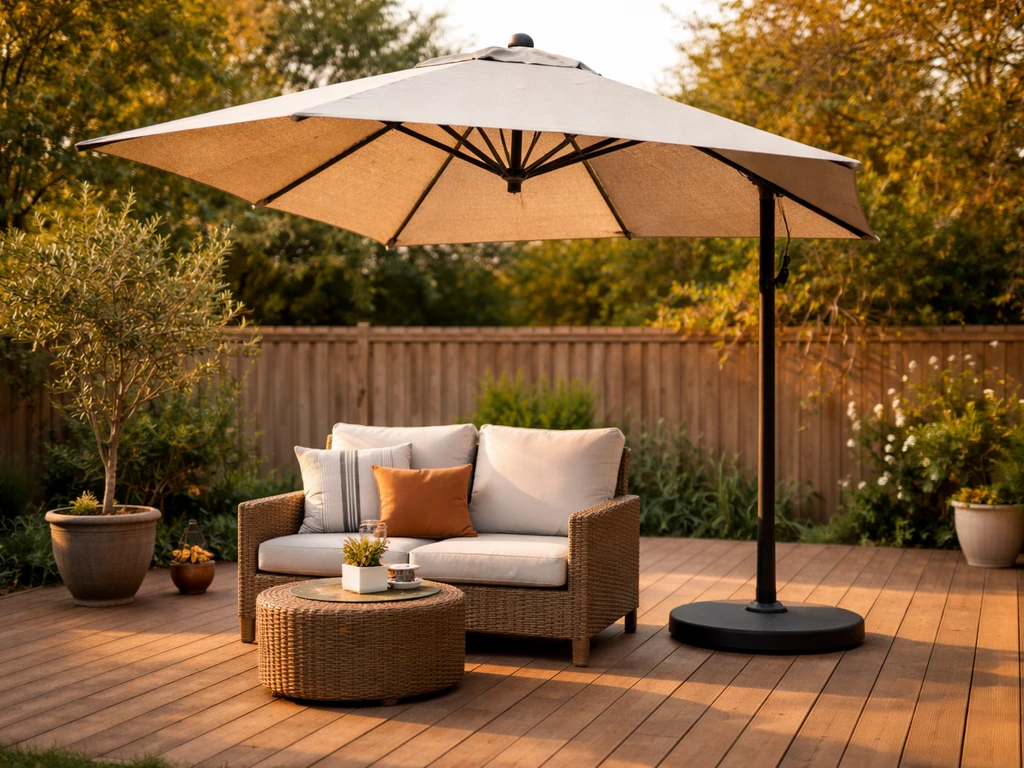
When most people search for the best choice patio umbrella, they mean something specific: the umbrella that fits their space, survives their weather, and doesn't turn into a frustrating project. 'Best' is not a universal spec. A 10 ft market umbrella might be perfect for a small round bistro table on a sheltered deck, while a large cantilever is the right call if you want shade over a sectional without a pole poking up through the middle of your furniture.
Before you shop, nail down your actual requirements: how much coverage you need, whether you have a center-hole table or freestanding seating, how exposed your patio is to wind, and how much effort you're willing to put into setup and maintenance. Everything else flows from those answers.
It also helps to know that 'Best Choice Products' is an actual umbrella brand sold widely online, and several of their specific models (a 10 ft offset, a 7.5 ft solar, an 8x11 ft rectangular) come up constantly in searches. This guide covers the full buying decision, not just one brand, but those models are useful reference points because they represent common size and style combinations that match real patio setups.
Measure coverage first: size, shape, and placement
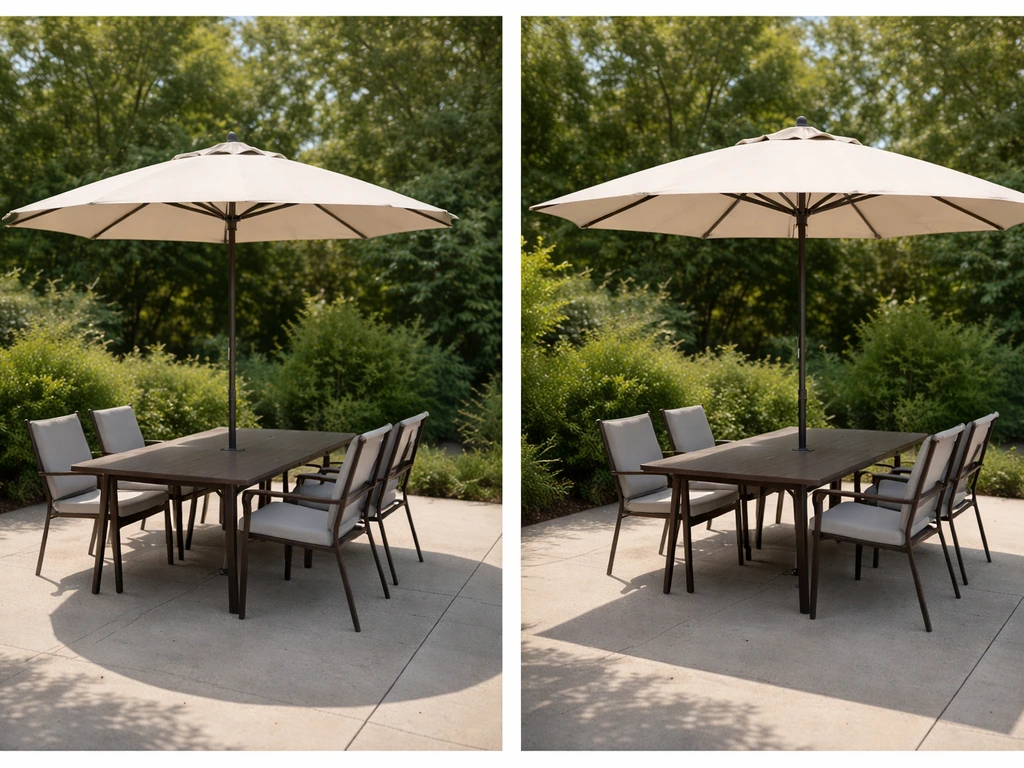
The most common sizing mistake is buying an umbrella that's the same diameter as your table. You want the canopy to extend roughly 2 feet beyond the edge of your table on every side. That overhang is what actually keeps the sun off the people sitting at the edges. So a 48-inch (4 ft) round table needs at least a 9 ft umbrella, and a 6-8 seat rectangular table pairs well with either an 11 ft round or an 8x11 ft rectangular canopy.
Shape matters just as much as size. A round umbrella over a long rectangular table leaves the ends in full sun. If your table is rectangular, a rectangular umbrella covers the space properly. The 8x11 ft rectangle format specifically matches six-to-eight seat rectangular dining tables and is worth considering if you're shopping in that category. If you already have a market umbrella and want to check its size, extend it fully and measure from the center hub out to the tip of one rib, then double it. That gives you the diameter.
Placement affects which style works. A center-pole market umbrella only works if your table has a center hole or you use a freestanding base positioned underneath. If your furniture doesn't have a hole, or if you want to shade a seating area off to one side, an offset or cantilever design solves that immediately. Don't try to force a market umbrella into a layout that calls for an offset.
Wind resistance and stability: the specs that actually matter
No umbrella is windproof. That's worth saying clearly before you spend money chasing wind-resistance ratings. What separates an umbrella that survives a gusty afternoon from one that gets destroyed is a combination of frame material, canopy venting, and base weight. Focus on those three.
Frame material and flex
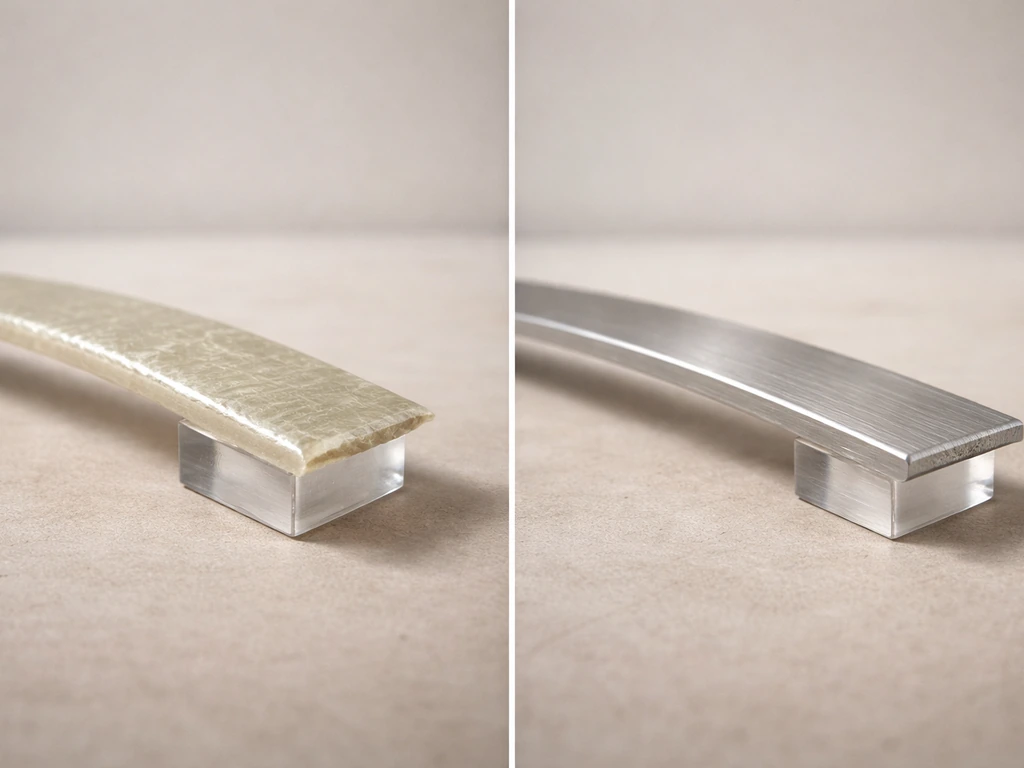
Fiberglass frames and fiberglass ribs are the clear winner for wind resistance. The reason is simple: fiberglass bends and flexes under pressure instead of snapping or bending permanently the way aluminum ribs can. If you live somewhere with regular afternoon gusts or coastal breezes, prioritize fiberglass ribs even if everything else is aluminum. The combination of a sturdy aluminum pole with fiberglass ribs is a practical middle ground that shows up on many mid-to-higher-end market and cantilever umbrellas.
Vents: single vs. double wind vent
Wind vents at the top of the canopy reduce the pressure that builds up underneath in a gust, which is the main reason umbrellas invert or topple. A single wind vent (SWV) helps; a double wind vent (DWV) helps more. If you're shopping in a windy location, treat a double wind vent as a must-have feature rather than a nice-to-have upgrade. Many budget umbrellas skip vents entirely, which is fine for calm, sheltered patios but a real durability problem anywhere with regular wind.
Base weight requirements
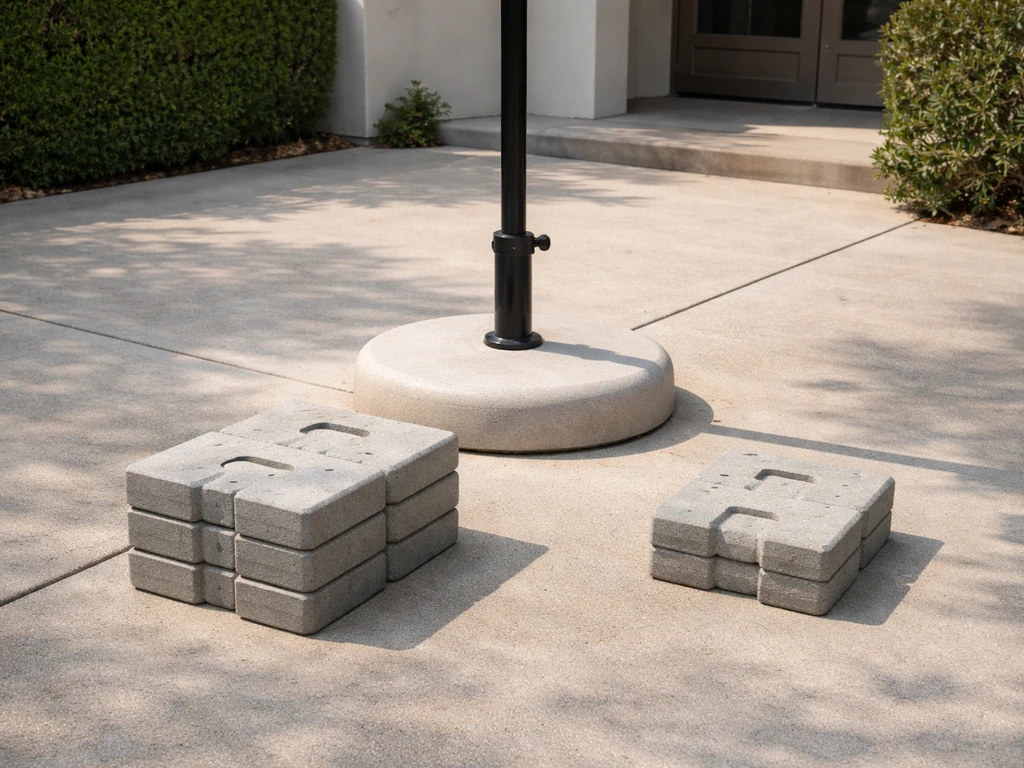
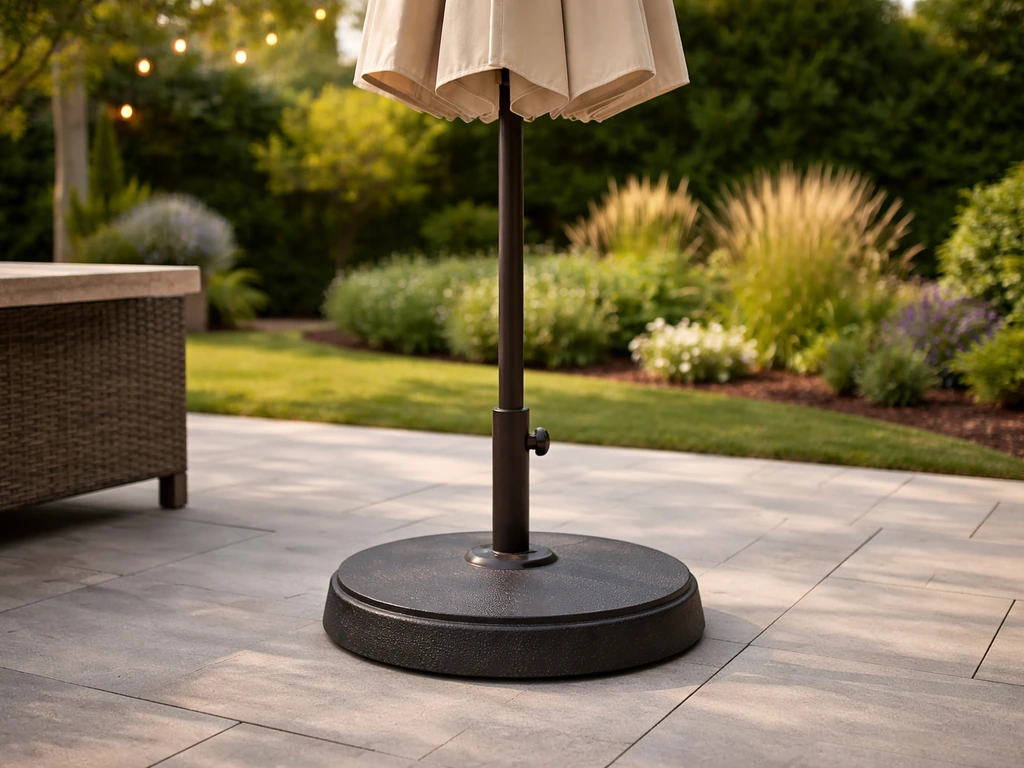
Base weight is where a lot of buyers underestimate what they need, especially with offset umbrellas. A 10 ft market umbrella typically needs around 50 lbs of base weight to stay stable. A 10 ft offset umbrella needs roughly 175 to 225 lbs, and some specific offset models specify a 309 lb base in their instruction manuals. The leverage a side-mounted pole creates is dramatically higher than a center-pole setup, which is why the base weight requirement jumps so sharply.
If you're putting an offset umbrella on a deck, use a cross base rather than a single-footing base so the load spreads across multiple contact points instead of concentrating stress on one spot. Always load the base weights before raising the canopy, not after.
The rule for when to close: close it any time you're not actively using it, and definitely before any wind event. Euroschirm also recommends following its operating and care instructions for handling gusts, including closing and reopening properly over the runner if the umbrella is knocked over operating instructions for handling gusts. Secure it with the wind tie if your umbrella came with one. This single habit extends the life of any umbrella more than any feature upgrade will.
Materials, UV protection, and weather durability
Canopy fabric is where you see the biggest quality gap between price tiers. Most umbrellas use polyester or acrylic fabric. Both shed water reasonably well and resist mildew better than cotton, but they're not equal in the long run.
| Fabric Type | UV Resistance | Colorfastness | Water Resistance | Price Tier |
|---|---|---|---|---|
| Standard polyester | Moderate | Fades within 1-2 seasons in direct sun | Good (treated) | Budget to mid-range |
| Solution-dyed acrylic (e.g., Sunbrella) | Excellent | Holds color for many seasons | Excellent | Mid to premium |
| Olefin/polypropylene | Good | Better than basic polyester | Good | Mid-range |
Solution-dyed acrylic is the gold standard. The color goes through the entire fiber rather than being printed on the surface, so UV exposure degrades the color much more slowly. blank" rel="noopener noreferrer">Sunbrella is the most recognized brand in this category and is genuinely fade- and mildew-resistant.
Shadowspec notes that Sunbrella is solution-dyed acrylic, with colors added to yarn, and it is positioned as not growing mold or mildew with regular care Sunbrella is positioned as not growing mold or mildew with regular care. If you're spending real money on an umbrella you plan to keep for five or more years, solution-dyed acrylic fabric is worth the price jump.
Clean it with mild soap and water, rinse thoroughly so no soap residue stays in the fibers (residue can break down the water-repellent finish over time), and it'll look good for years.
For the frame, powder-coated aluminum is the practical choice for most buyers: lightweight, rust-resistant, and widely available. Wood poles (teak or eucalyptus) look great but require seasonal maintenance and cost more. Steel frames are heavier and more prone to rust if the coating gets scratched. Stick with aluminum or fiberglass pole combinations unless you have a specific reason to go another direction.
Cantilever vs. market vs. offset: which style fits your patio
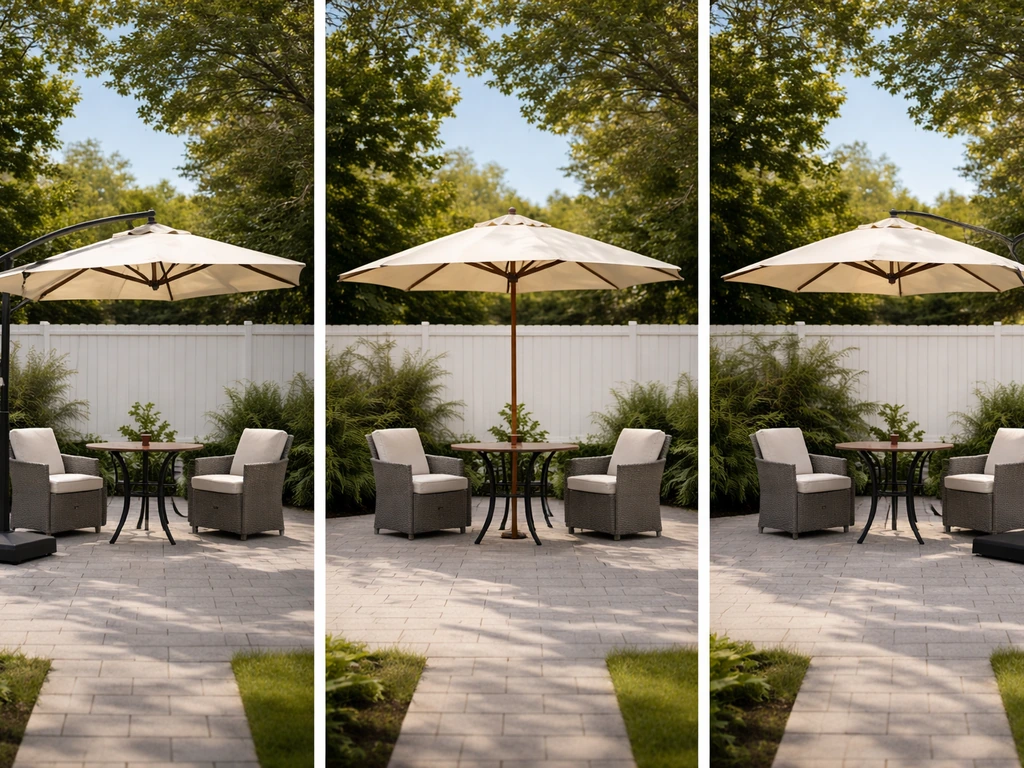
These three terms get used loosely, so here's how to think about them practically. Market umbrellas (the classic center-pole design) are the most common, easiest to find, and simplest to set up. Offset and cantilever are often used interchangeably and describe the same basic concept: the pole is off to one side and the canopy hangs out over the space you want to shade. The difference is mostly about scale and mounting, but for shopping purposes, treat them as the same category.
| Style | Best For | Base Requirement | Typical Size Range | Trade-offs |
|---|---|---|---|---|
| Market (center pole) | Tables with center hole, defined dining areas | ~50 lbs for 10 ft | 7.5 ft to 11 ft | Pole is in the middle of your table; limited tilt range |
| Offset/Cantilever | Sectionals, lounges, furniture without center hole | 175-309+ lbs | 10 ft to 13 ft | Heavy base, higher cost, more setup complexity |
| Rectangular market | Rectangular dining tables, linear seating | ~50-75 lbs depending on size | 8x10 ft to 8x11 ft | Less common; harder to find quality options |
Market umbrellas are the right starting point for most traditional patio dining setups. If you have a 6-seat round or square dining table with a center hole, a 10 or 11 ft market umbrella with a crank-and-tilt mechanism is probably your best choice. The tilt function matters more than people realize: on most crank models, you keep cranking after the canopy is fully open to activate the tilt, which lets you angle the shade toward low afternoon or morning sun without repositioning the whole umbrella.
Offset and cantilever designs are the right call when your furniture doesn't have a center hole, when you're shading a lounge area or sectional sofa, or when you simply don't want a pole in the middle of your space. The trade-off is the base weight requirement. Budget for that base weight before you buy, because a quality 10 ft offset without an adequate base is an unstable liability, not a functional shade solution. Some specific offset models like the Best Choice Products 10 ft offset and similar options at that size range are popular precisely because they hit a reasonable price point for the canopy while letting you add a third-party cross base.
Rectangular umbrellas like an 8x11 ft design sit in their own category. They solve a real problem (covering a long rectangular table properly) that a round umbrella never fully addresses. If you have a rectangular dining setup and are comparing options, the rectangular format is worth the slightly narrower selection of available models.
How to read specs and reviews like a buyer, not a browser
When you're comparing models online, the specs listing can feel overwhelming. Here's what to actually focus on, and what to mostly ignore.
- Pole diameter: A thicker pole (1.5 inches or larger for market umbrellas) signals a sturdier build. Thin poles flex and wobble even in light wind.
- Rib material: Fiberglass ribs listed in the specs are a positive sign. If the listing doesn't mention rib material, assume steel or aluminum, which are fine but less wind-tolerant.
- Vent style: Look for SWV (single wind vent) or DWV (double wind vent) in the specs. No mention of vents usually means there aren't any.
- Fabric description: 'Solution-dyed' or 'Sunbrella' is a meaningful quality signal. 'Polyester' alone without further description usually means a printed fabric that will fade faster.
- Base sold separately: Most umbrellas don't include a base. Confirm what base weight is required before buying, especially for offset models.
- Crank vs. push-up: Crank-open umbrellas are easier to operate for larger sizes. Push-up designs are fine for smaller umbrellas (7.5 ft and under) but get awkward and heavy above that.
- Tilt mechanism: Auto-tilt (where tilt engages by continuing to crank) is more convenient than a collar-tilt that requires you to manually adjust and lock a collar around the pole.
For reviews specifically, discount complaints about 'hard to assemble' if the reviewer also admits they didn't read the instructions, but take seriously any pattern of complaints about bent ribs after one season, fabric fading within a year, or bases that weren't included at the stated weight. Those are quality signals, not setup errors. A 3.8-star umbrella with 400 reviews and consistent praise for durability is a better bet than a 4.5-star model with 12 reviews and vague descriptions.
Your buying checklist and next steps
Use this as your decision framework before you add anything to a cart. If your patio looks like one of the scenarios below, the recommendation next to it is where to start your search.
| Your Setup | Recommended Style | Target Size | Key Feature to Prioritize |
|---|---|---|---|
| Round or square dining table with center hole, sheltered patio | Market umbrella | 9-10 ft | Crank-and-tilt, solution-dyed fabric |
| Rectangular 6-8 seat dining table | Rectangular market umbrella | 8x11 ft | Shape match, sturdy pole, 50+ lb base |
| Lounge/sectional or furniture without center hole | Offset/cantilever | 10-13 ft | Cross base, DWV vent, 175+ lb base weight |
| Small bistro table, sheltered balcony | Market umbrella | 7.5 ft | Lightweight, push-up or crank, basic base 35+ lbs |
| Exposed or coastal patio with regular wind | Market or offset with fiberglass ribs | 10-11 ft | Fiberglass ribs, DWV, heavy base, close when not in use |
Here's the short checklist to run through before you buy anything:
- Measure your table and add 2 feet on each side to get your minimum canopy diameter (or dimensions for rectangular).
- Decide on style: center-pole market umbrella if your table has a hole; offset/cantilever if it doesn't or if you're shading a seating area.
- Check the shape: round for round or square tables, rectangular for rectangular tables.
- Confirm base weight requirements for the specific model you're considering, especially for offsets. Budget for the base as a separate purchase.
- Look at the fabric description: solution-dyed acrylic outlasts standard polyester significantly in direct sun.
- Check for wind vents (SWV or DWV) if your patio gets regular wind.
- Confirm the pole diameter and rib material in the specs if wind is a real concern.
- Read through a cross-section of reviews filtering for mentions of durability after one or more full seasons, not just first-impression ratings.
- Commit to the habit of closing and securing the umbrella when it's not in use. No feature upgrade compensates for leaving it open in a storm.
If you're still deciding between specific models in the 10 ft offset category, the rectangular 8x11 format, or the solar-integrated 7. A great example to compare is the Best Choice Products 7.5ft outdoor solar patio umbrella, since the solar setup changes how you think about placement and coverage solar-integrated 7. 5 ft market style. 5 ft market style, each of those represents a distinct use case worth comparing side by side. The right one depends on your specific patio dimensions and how you actually use your outdoor space day to day. Start with the checklist above, match your setup to the scenario table, and you'll land on the right choice faster than reading through a dozen individual product reviews.
FAQ
How do I choose the best choice patio umbrella size if I’m trying to shade more than just the dining table?
If you have multiple seating zones, size for the people you want protected at the edges of the shaded area, not the table alone. Measure the widest span you need covered when everyone is seated normally, then add the 2 ft overhang target beyond that span. For lounge sets, it’s common to size by the “armrest-to-armrest” width of the sectional rather than the coffee table diameter.
What happens if I buy a round umbrella for a rectangular patio table?
Do not rely on the umbrella’s stated diameter if the canopy shape doesn’t match your table. For rectangular tables, a round umbrella will leave the long ends exposed. If you are comparing a rectangular model to a round one, estimate end coverage by imagining the canopy overhang on the table’s long axis, then decide based on whether those end seats would still be in full sun.
Can I tilt a market umbrella before it’s fully opened?
Most crank-and-tilt umbrellas let you tilt only when the canopy is fully open, even though some models look adjustable mid-opening. Keep an eye on whether the tilt is engaged by continuing the crank after “open,” and confirm whether you can tilt the umbrella with the wind vent openings still properly aligned.
Can I use a patio umbrella without a table hole, and what changes for an offset model?
Yes, but only if the base system matches the umbrella style. A center-pole umbrella can be used on a table with a center hole, or with a stand that positions the pole directly under the hub. An offset umbrella typically needs a cross base so the load spreads across multiple contact points, and it should sit where the pole’s leverage is acting, not where the table looks closest.
What should I check for wind stability beyond “windproof” claims?
Look for the frame-and-rib material combination, not just the wind claims in marketing. If you’re in a gusty area, prioritize fiberglass ribs (or fiberglass mixed with a sturdy aluminum pole) and choose a model with at least one wind vent, ideally two. Then verify the base weight and whether the base type is specified (single-foot versus cross base).
Is it okay to leave a patio umbrella partially open during mild windy weather?
Even with heavy bases, you need consistent securing habits. Close the umbrella when you are not actively using it, add the tie strap if included, and avoid leaving it partially open overnight or during weather changes. A common mistake is trying to “ride out” wind with the canopy partly deployed.
How do I choose the best choice patio umbrella if it’s solar-integrated and my patio has partial shade?
Solar umbrellas can be trickier because placement is constrained by the pole position and any intended sun exposure for the solar panel. Before buying, check that the canopy size still achieves the 2 ft overhang over your seating, then confirm the solar panel location is not blocked by nearby walls or pergola slats, since shade can reduce charging.
How can I tell if my planned base is underpowered for an offset umbrella?
If your base weight requirement is much higher than what you plan to purchase or use, stability will suffer, especially for offset umbrellas. A practical decision rule is to treat the base weight as a minimum for your umbrella size and pole leverage, then confirm the base footprint matches your deck surface and won’t wobble or shift.
What’s the most important fabric-cleaning mistake to avoid?
For fabric care, the fresh, specific risk is residue buildup. After cleaning, rinse thoroughly so soap does not remain in the fibers, since residue can reduce water-repellent performance over time. Also, only clean when the fabric is cool to the touch, and let it dry fully before closing to minimize mildew.
How should I interpret review complaints about bent ribs, fading, or missing bases?
When ribs are bending or fabric is fading quickly, don’t assume it’s always a setup issue. If you see recurring complaints about bent ribs after one season, fast fading, or missing base weight contents, treat that as a quality signal. Use consistent patterns across reviews, not one-off assembly gripes that mention not reading instructions.
Which frame material is the best “set it and forget it” option, and what trade-offs should I expect?
Powder-coated aluminum is usually the best default for frames because it resists rust and is low maintenance. If you consider wood, budget for seasonal upkeep and higher cost, and plan for how you’ll protect it from sun and moisture cycles. Steel can work in some setups, but it’s more vulnerable if the coating gets scratched.
I don’t have a center hole in my table, what’s the correct next step?
If you can’t find a center-hole market umbrella that fits your table, switch design categories rather than forcing fit. An offset or cantilever style avoids the middle pole problem and keeps you from blocking seating layouts. A practical mistake is buying a market umbrella that technically fits the diameter but doesn’t align with the center hole requirement, forcing you to use the wrong base.