<a data-article-id="E2E3830F-617E-4BC4-ACF8-CF35EC242496">The best rated patio umbrellas</a> right now are concentrated in a few reliable categories: 9-foot aluminum-pole market umbrellas with Sunbrella fabric for standard table setups, and heavy-base cantilever or offset umbrellas in the 10-to-13-foot range for open patio coverage. What separates the top performers from the average ones is a combination of frame quality, canopy fabric, and whether the base system is actually matched to the umbrella's size and weight. If you nail those three things, you'll land on something that earns its high rating in real outdoor use, not just on a product page.
Best Rated Patio Umbrellas: Cantilever, Offset, Table, Sunbrella Guide

Kent Lang
28 Apr 2026
What 'highest rated' really means for patio umbrellas
When a retailer like Home Depot labels something 'Best Rated,' it's pulling directly from customer star averages. That's useful as a quick filter, but it rewards products that are well-priced and easy to set up as much as ones that are genuinely durable. A cheap umbrella that looks great on delivery day can rack up 4.5 stars before anyone has used it through a full season of UV exposure and wind events.
Organizations like Consumer Reports take a different approach: they physically test umbrellas rather than just aggregate ratings, with specific attention to sturdiness, wind resistance, and canopy stability. That's 'best tested' versus 'best rated,' and the distinction matters. Ideally, you want products that score well on both: high customer satisfaction over time and solid performance in controlled or real-world conditions.
For practical purposes, treat retail star ratings as a first filter to rule out obvious duds (anything under 4 stars with more than a few hundred reviews is worth skipping), then cross-reference with expert testing coverage and reviewer comments that mention long-term durability, fading, and how the umbrella held up in wind. That combination gives you a much more honest picture than stars alone.
Choose the right umbrella style for your space
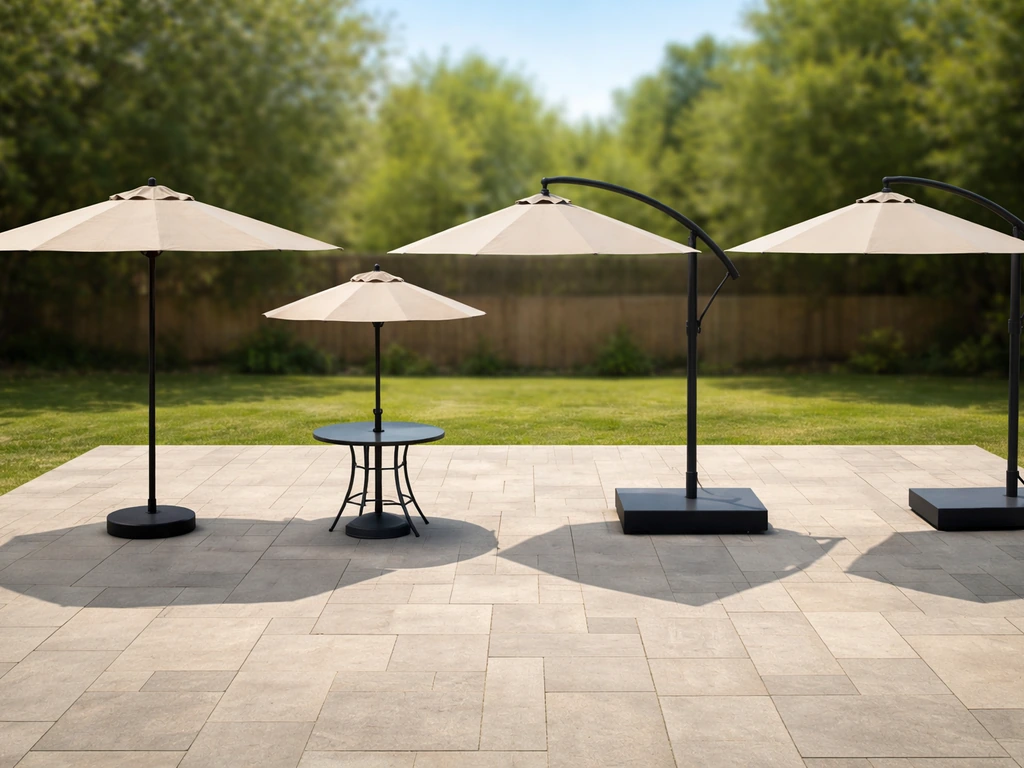
Style is the first real decision point, and it drives every other spec you'll consider. The four main types are market umbrellas, table umbrellas, cantilever umbrellas, and offset umbrellas. 'Cantilever' and 'offset' are often used interchangeably, but there's a practical distinction worth knowing.
Market umbrellas
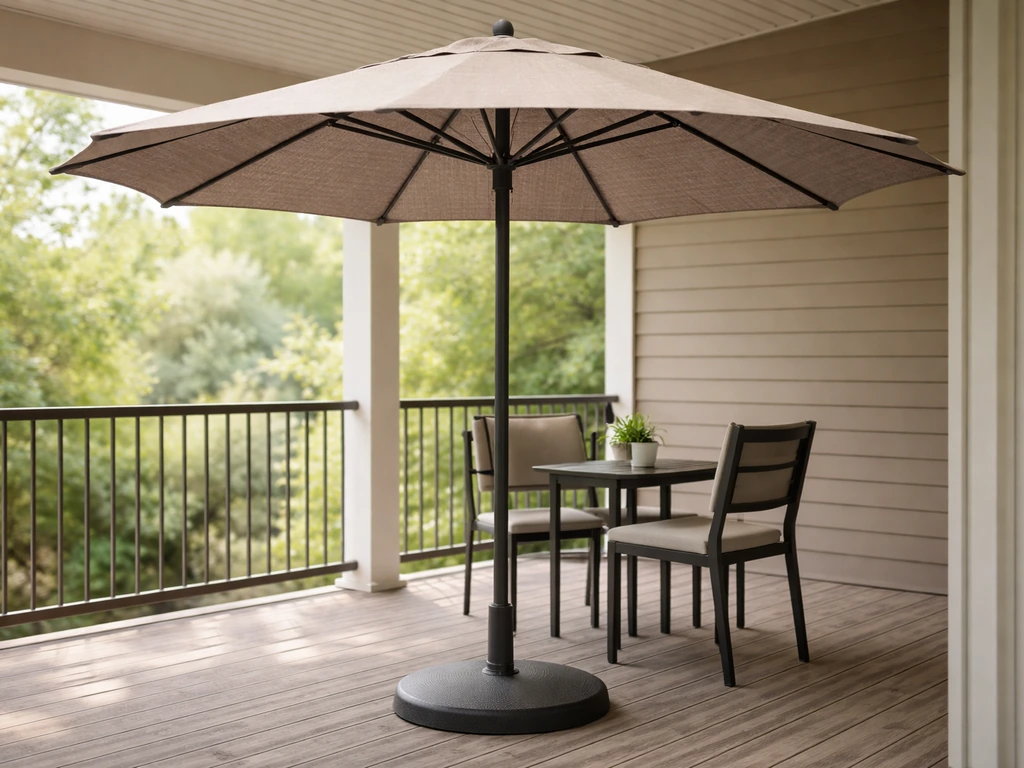
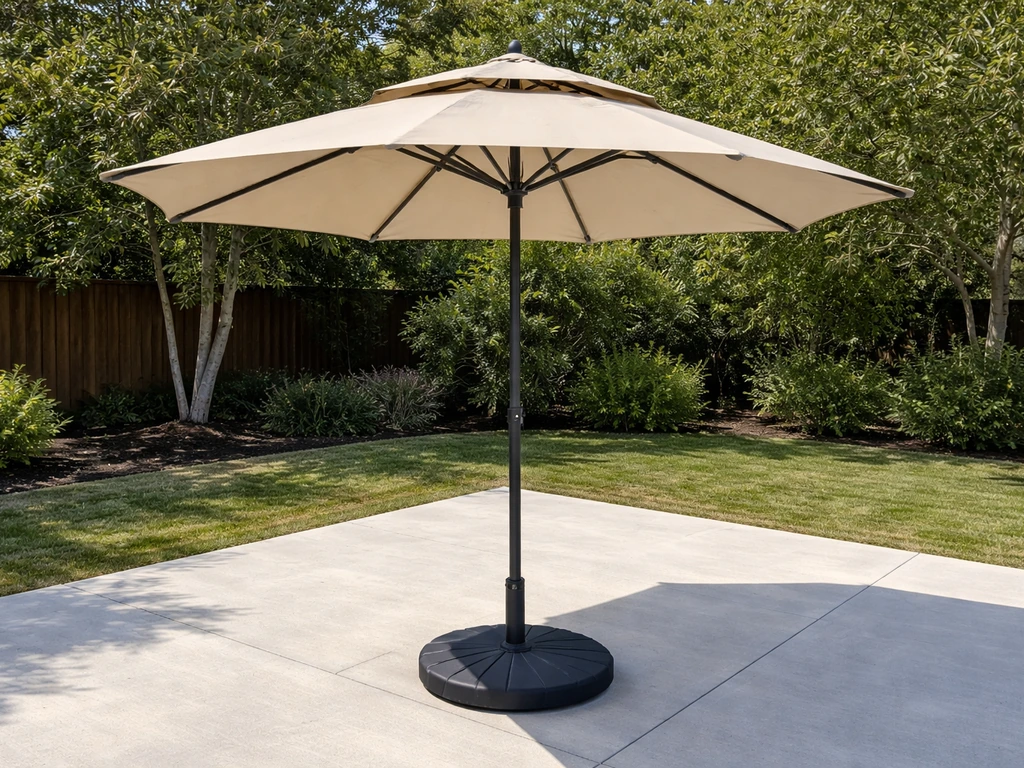
These are the classic center-pole design. They're the most affordable, widely available, and easiest to pair with a standard patio table that has a center hole. Most come in 7.5-foot to 11-foot canopy diameters. They work great for table dining setups but don't give you the flexibility to shade a lounge chair or seating area without a table underneath them.
Table umbrellas
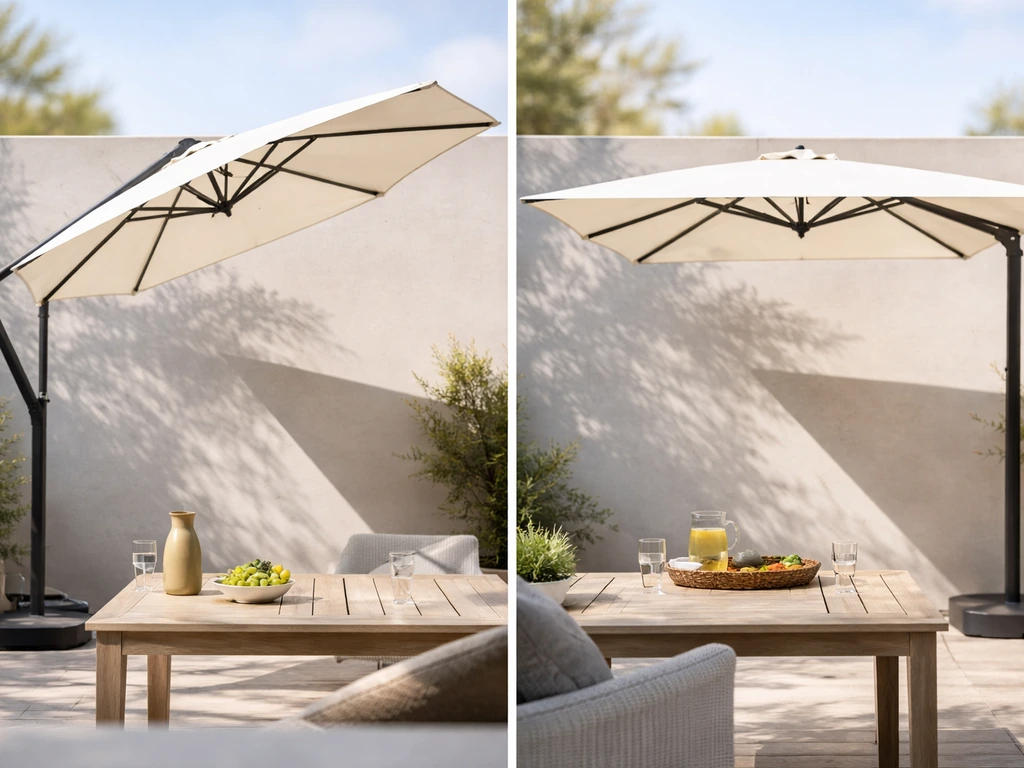
Table umbrellas are essentially a subcategory of market umbrellas, sized and pole-configured to fit through the center hole of a specific dining table. If you're specifically shopping for a patio table setup, this is the category to focus on. Pole diameter matters here: most tables have a 1.5-inch to 2-inch hole, and the umbrella pole needs to match. Going one size off means the umbrella wobbles or won't fit at all.
Cantilever and offset umbrellas
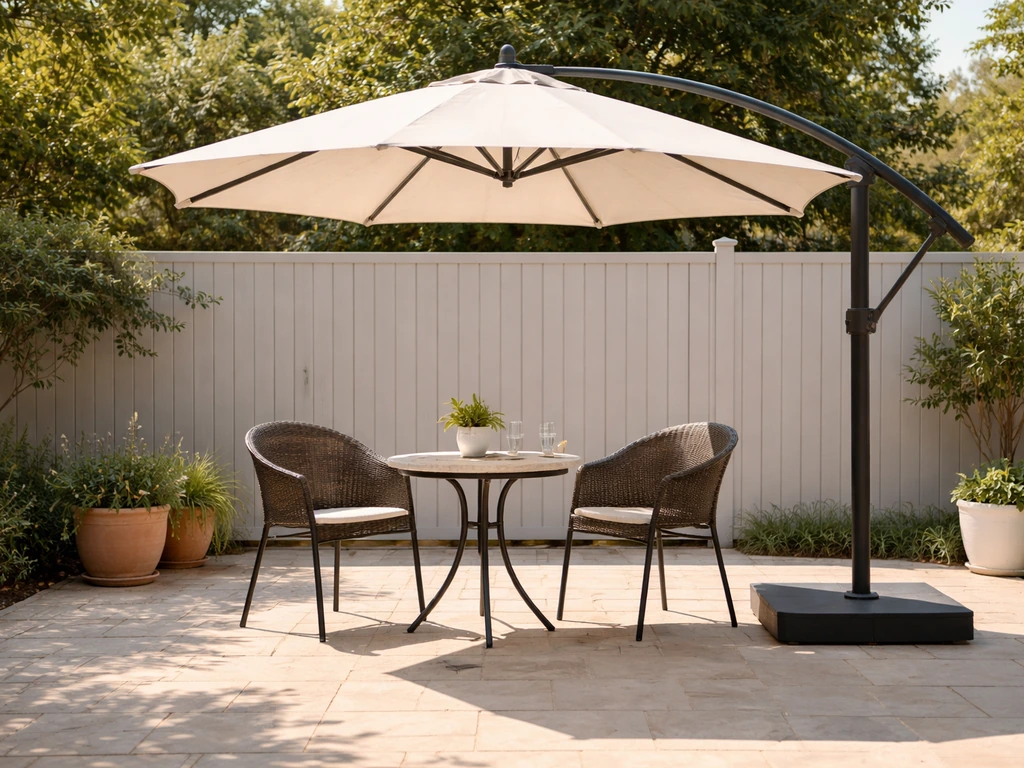
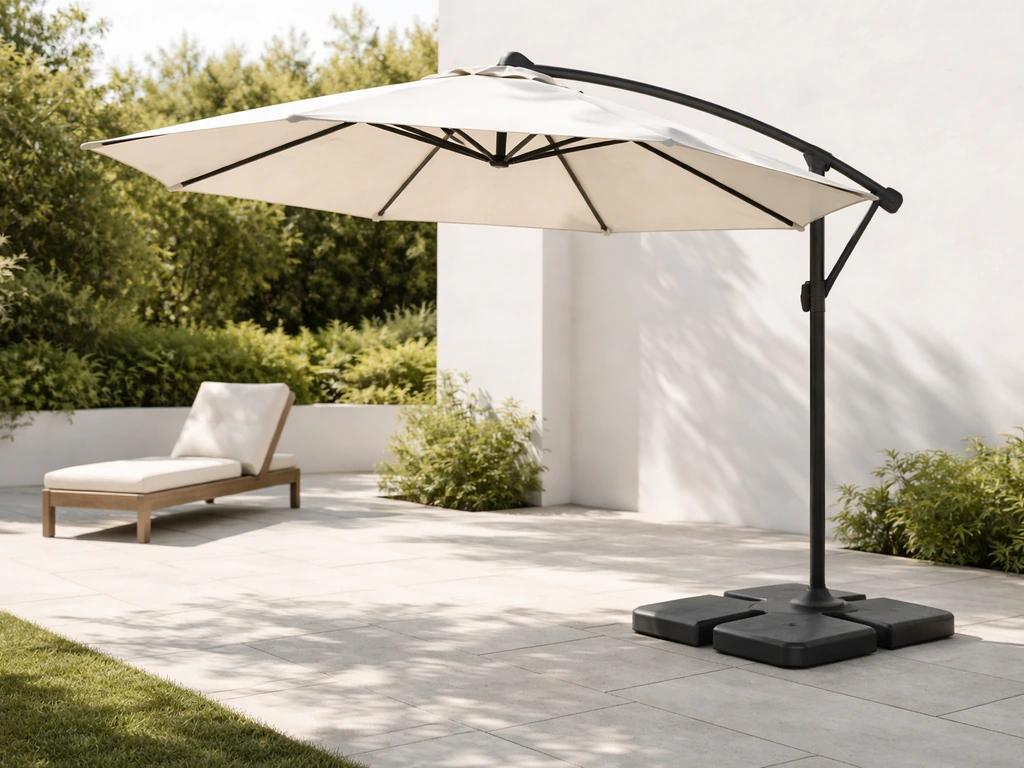
Cantilever and offset umbrellas both place the pole to the side rather than the center, so the canopy hangs over the shaded area without any pole in the way. The difference is usually the mounting style: a cantilever typically uses a single side pole with a horizontal arm, while an offset design may have a more adjustable multi-position arm. Both styles are ideal for shading lounge furniture, pools, or any area where you don't want a center pole. The trade-off is cost (they run $150 to $800 or more for quality versions) and the need for a significantly heavier base.
| Style | Best for | Typical canopy size | Approximate price range | Base required |
|---|---|---|---|---|
| Market umbrella | Patio dining tables | 7.5 ft – 11 ft | $50 – $400 | 50 – 75 lbs |
| Table umbrella | Specific dining table fit | 7.5 ft – 9 ft | $60 – $350 | 50 – 75 lbs |
| Cantilever/offset | Lounge areas, pools, open patios | 10 ft – 13 ft | $150 – $800+ | 100 – 200+ lbs |
Coverage, size, and placement for your patio or table
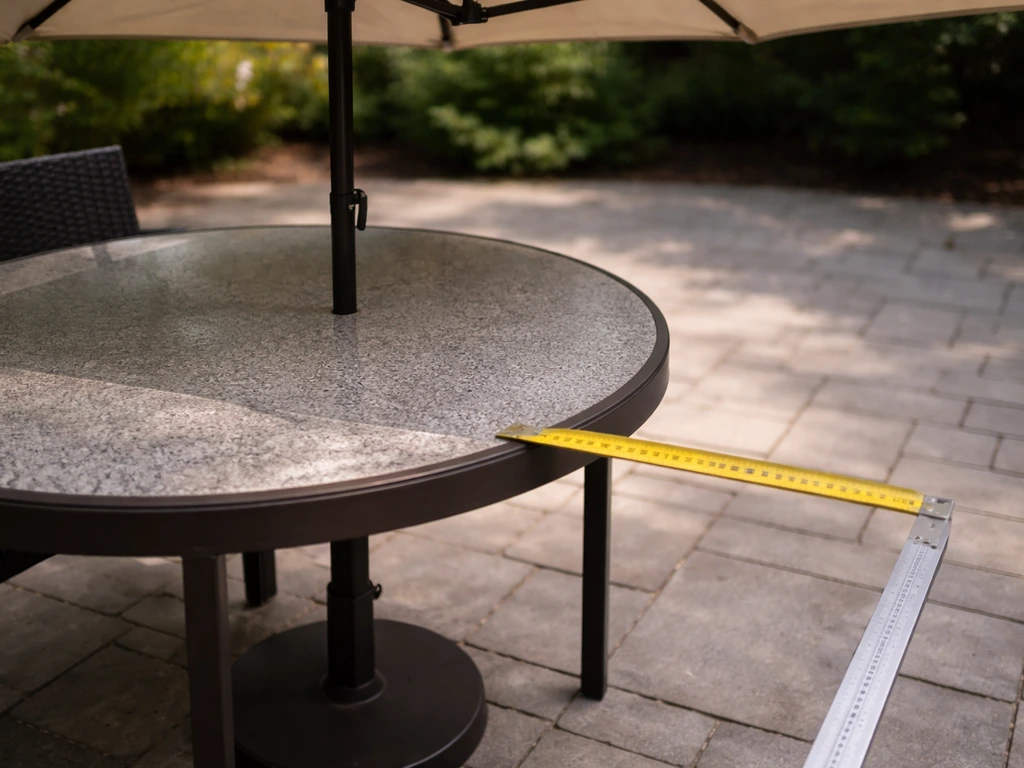
A common mistake is buying an umbrella that matches the table diameter rather than the shaded area you actually need. The general rule: your umbrella canopy should extend about 2 feet beyond the table edge on each side. That means a 48-inch (4-foot) round table pairs well with a 9-foot umbrella. A 60-inch table or a rectangular 6-person dining set typically needs a 10-foot or larger canopy to keep everyone shaded as the sun moves.
For open patios without a table, an offset or cantilever in the 11-to-13-foot range can cover a 4-person lounge grouping reasonably well. Keep in mind that the usable shade footprint isn't just the canopy diameter: the angle of the sun at your peak use hours (usually 11 a.m. to 3 p.m.) determines how much shadow actually falls where you need it. A tilting canopy or a 360-degree rotating offset arm solves this better than just sizing up.
Placement matters for wind as much as coverage. A freestanding offset umbrella positioned in an exposed corner of a deck catches more wind than the same umbrella in a sheltered corner. If you're in a consistently breezy location, factor that into size: a 13-foot cantilever in an open yard is fighting a lot more wind load than a 9-foot market umbrella tucked near a pergola wall.
Wind stability and base requirements
Wind is where most patio umbrellas fail in practice, and it's also where most shoppers get surprised. Very few umbrella manufacturers publish a true wind speed rating. What you actually need to evaluate is a combination of frame construction, canopy design, and base weight, because stability is a system, not a single spec.
For frames, look for powder-coated aluminum or fiberglass ribs rather than plastic or thin steel. Fiberglass ribs flex under wind pressure instead of snapping, which makes them meaningfully better in gusty conditions. Vented canopies (a second layer at the top of the canopy that lets wind pass through) also dramatically reduce uplift. If the product description doesn't mention vents or fiberglass ribs and it's going into a windy yard, that's a red flag.
Base weight is where people most consistently underspend. A 9-foot market umbrella needs at least 50 pounds of base in calm conditions and 75 pounds if you're anywhere with regular afternoon wind. A large cantilever or offset umbrella with a 13-foot canopy should have a base of 100 to 200 pounds minimum, and the most stable setups use filled concrete or sand bases, not hollow plastic ones. Consumer Reports specifically calls out that umbrella stability is a combined system: umbrella plus base together, not the umbrella alone.
- 9 ft market umbrella: minimum 50 lbs base, 75 lbs for windy spots
- 11 ft cantilever/offset: minimum 100 lbs, ideally 150 lbs+
- 13 ft cantilever/offset: 150 – 200 lbs; fill hollow bases with sand for extra weight
- Fiberglass ribs: flex instead of snap under wind load
- Vented canopy: reduces uplift pressure significantly
- Always close or lower umbrella when not in use or when wind exceeds 20 mph
Fabric and UV protection: how Sunbrella stacks up
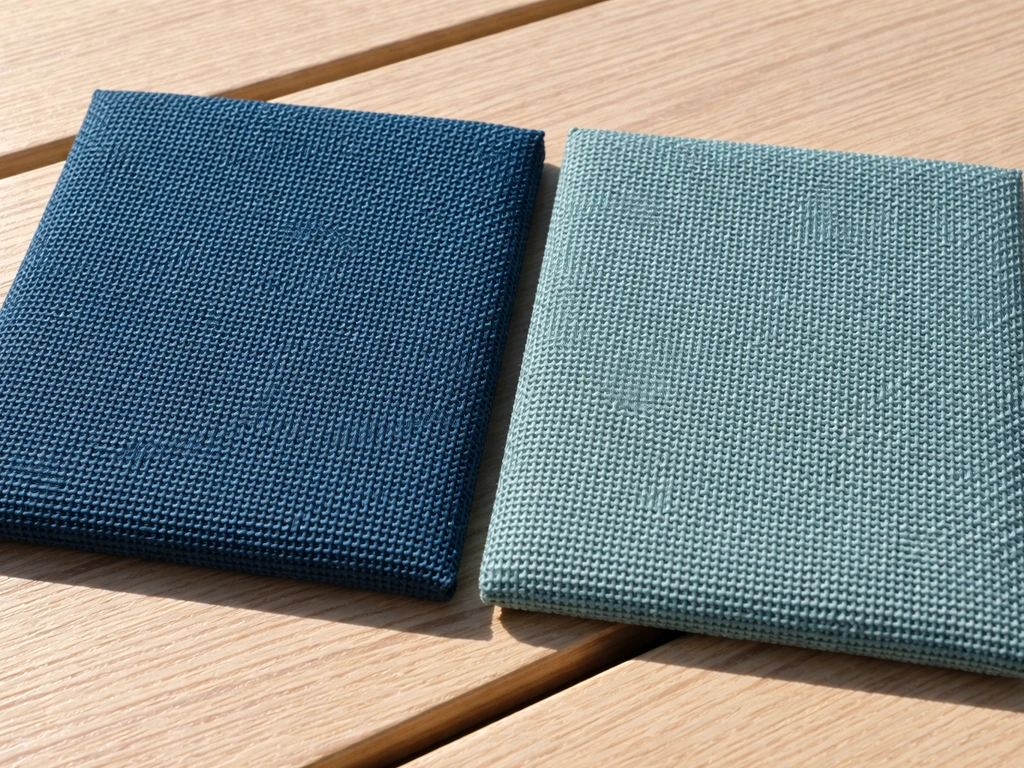
Sunbrella is the fabric brand most consistently associated with premium, best-rated patio umbrellas, and for good reason. It's a solution-dyed acrylic, which means the color runs all the way through the fiber rather than sitting on the surface. That makes it dramatically more fade-resistant than polyester or olefin fabrics, which start visibly fading within one to two seasons in full sun exposure. Sunbrella carries a UPF 50+ rating, blocking over 98% of UV rays, and the fabric is mold and mildew resistant.
When comparing Sunbrella umbrellas to alternatives, the practical difference shows up over time. A polyester umbrella at $80 may look comparable on day one, but by year three it's faded, the stitching is fraying, and the coating that provides the UV protection has degraded. A Sunbrella canopy on a quality frame, maintained with occasional cleaning, realistically lasts 7 to 10 years. That math often justifies the higher upfront cost, especially for a main dining or lounge umbrella that's out daily.
Beyond the Sunbrella brand itself, check these details on any premium fabric umbrella: double-stitched seams (single stitching frays faster under UV stress), UV-stabilized thread (thread can degrade even if the fabric doesn't), and whether the canopy is coated on the underside. The underside coating adds UV protection for people sitting underneath, not just the outer surface, and it's a detail that separates well-designed canopies from cut-rate versions.
| Fabric type | Fade resistance | UV protection | Typical lifespan | Price premium |
|---|---|---|---|---|
| Sunbrella (solution-dyed acrylic) | Excellent | UPF 50+ | 7 – 10 years | High |
| Olefin | Good | UPF 30 – 50 | 3 – 5 years | Moderate |
| Polyester (coated) | Fair | UPF 30 – 50 (degrades) | 1 – 3 years | Low |
| Polyester (uncoated) | Poor | Minimal | 1 – 2 years | Lowest |
How to shortlist and compare top-rated options fast
If you want to move quickly, here's the approach that works. Start with your style (market vs. cantilever/offset) based on where the pole needs to go. Then set your minimum canopy size based on your table or seating footprint. Then filter by fabric: if the umbrella is going to be out daily or you live in a sunny climate, Sunbrella or a branded solution-dyed acrylic is worth the extra cost. Once you have those filters in place, use retail star ratings to identify the top two or three candidates, then read the 1-star and 2-star reviews specifically. That's where you'll find out if poles rust, canopies tear in moderate wind, or the tilt mechanism breaks after one season.
- Decide: center-pole market umbrella or side-pole cantilever/offset
- Set canopy size: table diameter plus 2 feet on each side as your minimum
- Filter by fabric: Sunbrella or solution-dyed acrylic for daily/sunny use
- Check frame material: aluminum or fiberglass ribs, not hollow steel or plastic
- Read low-star reviews for real failure patterns before committing
- Confirm base weight: match to canopy size and your local wind conditions
- Verify pole diameter if it needs to fit an existing table hole (most common: 1.5 in or 1.58 in)
For cantilever and offset umbrellas specifically, also look for whether the base is sold separately (it usually is) and whether the manufacturer specifies a minimum base weight. Many highly rated cantilever umbrellas become poorly rated in practice because buyers didn't realize the included or suggested base was undersized for their actual wind conditions.
Common mistakes to avoid before you buy
Buying based on canopy color or style alone is the most common error, and it leads to returns after the first windy afternoon. Here are the mistakes worth knowing before you spend anything. If you want to narrow down what are the best outdoor patio umbrellas for your specific setup, start with the style and canopy size that match how you use your space. If you're looking for a different guide to compare choices, this also lines up with the best sun umbrellas for patio best outdoor patio umbrellas. For a deeper comparison, you can also look at the best outdoor patio table umbrella options that fit your table and shade needs best outdoor patio umbrellas.
- Underweighting the base: The single most common reason umbrellas tip, flip, or damage furniture. Always go heavier than the minimum recommendation if you're in a breezy climate.
- Choosing polyester fabric for a sunny, daily-use umbrella: It looks fine in the store but fades noticeably within one to two seasons. Spend up for solution-dyed acrylic if the umbrella will be in direct sun.
- Buying a cantilever without budgeting for the base: Quality cantilever bases can cost $80 to $250 separately. Factor this into your total budget before comparing sticker prices.
- Ignoring pole diameter for table umbrellas: A pole that's even slightly too small wobbles and stresses the canopy seams. Measure your table's center hole before ordering.
- Getting the wrong size for the space: Too small means no one is actually shaded by early afternoon. Add 2 feet beyond your table edge minimum, and account for sun angle.
- Leaving the umbrella open in wind or overnight: Even the best-rated umbrella will eventually fail if it's left open in a storm. A simple closing habit extends umbrella life by years.
- Skipping the tilt mechanism check: Fixed-canopy umbrellas only shade you when the sun is directly overhead. A push-button or crank tilt adds usable shaded hours morning and afternoon.
<a data-article-id="5E8241DF-6A7F-4F17-A1EE-B0EC8CA6B977"><a data-article-id="0E3B9A8D-B5AE-4EC0-BA73-28BE8E6A5848"><a data-article-id="513189F3-F2FD-400C-BD85-E830F1D82D4B"><a data-article-id="5E8241DF-6A7F-4F17-A1EE-B0EC8CA6B977">The best rated patio umbrellas</a></a></a></a> are genuinely good products, but 'highly rated' only holds up if the umbrella is matched to your actual conditions. A top-rated 9-foot market umbrella with a 50-pound base is a poor choice for a windy rooftop deck. If you want to skip the mismatches that lead to disappointing coverage, compare options against the best made patio umbrellas that are built for your wind and base needs. The same umbrella on a sheltered patio with a dining table is a smart, long-lasting buy. Get the match right, and the ratings will hold. If you're also shopping for seating and an overhead solution together, pair your top umbrella choice with the best patio furniture with umbrella setups for a matched look and coverage.
FAQ
What star rating should I use as a cutoff for the best rated patio umbrellas?
Use star ratings as a first-pass filter, but make it stricter for bigger purchases. A product under 4.0 with only a few dozen reviews is usually not informative, while 4.5+ with several hundred reviews is a better starting point. Then specifically check whether the negative reviews mention fading, fraying seams, or base wobble after wind.
Can I use a cantilever or offset umbrella without a heavy base if I anchor it some other way?
You can, but you need to treat anchoring as a separate design requirement. Many bases are engineered to control the umbrella’s leverage, so if you swap to a different weight or use straps, the umbrella may still tip in gusts because the center of force changes. Look for manufacturer guidance on anchoring alternatives, or choose a model that lists a minimum base system weight for your canopy size.
Do I need a tilting or rotating umbrella, or will any canopy angle work?
If you use the umbrella during late morning through mid-afternoon, tilting or 360-degree rotating arms usually matter more than canopy diameter alone. Standard fixed canopies can leave the seating partially exposed when the sun shifts, especially on east or west-facing patios. Check whether the tilt is smooth under load and whether the mechanism is described as wind-resistant or locking.
How do I calculate the right umbrella size for a patio without relying only on diameter?
Size the shade footprint, not just the canopy diameter. The canopy edge often won’t reach where you need shade once the umbrella is angled and the sun moves, so use the “2 feet beyond the seating” rule for table setups and consider a larger canopy for lounge groupings. If your seating is flexible, prioritize a model with an adjustable arm (offset/cantilever) to maintain coverage during the hours you actually sit outside.
What should I look for in frame materials if I live in a windy area?
Prioritize powder-coated aluminum or fiberglass ribs, then confirm the canopy has vents (for many models) because that reduces uplift during gusts. Also scan reviews for words like “wobble,” “bent,” or “spun in the wind,” since those indicate frame and base issues even when the umbrella looks sturdy in calm conditions.
Most listings don’t provide a wind rating, how can I compare wind performance anyway?
Build a wind-readiness profile: canopy size, venting details, rib material, and minimum base weight. If the listing does not state a minimum recommended base weight for cantilever/offset styles, it’s a higher risk for exposed patios. In that case, compare models that explicitly recommend filled bases (concrete or sand) and verify review complaints are not concentrated around windy failure modes.
Is Sunbrella always worth it compared with other “solution-dyed” fabrics?
Sunbrella is a safe premium benchmark, but other solution-dyed acrylics can be comparable if they meet similar construction details. What matters is whether the fabric is solution-dyed (color through the fiber), has UV-stabilized thread, and uses seams and underside treatment designed for sun exposure. If a cheaper fabric is only “UV coated” on the surface, expect faster color and coating degradation in full sun.
Should I worry about underside coating, or is outer-fabric UV protection enough?
Underside coating can make a visible difference because it protects seated areas from direct UV and helps the canopy look more uniform as it ages. If you plan to sit close to the canopy edge, look for descriptions that mention underside coating or multi-sided UV protection, and confirm reviews that mention less fading or more consistent shading over time.
What are the biggest mistakes people make when buying the best rated patio umbrellas?
The most common errors are mismatching canopy size to the shaded area, under-sizing the base for the umbrella and your wind exposure, and skipping arm adjustability when the sun moves across your patio. Also avoid buying based on color alone, since fade resistance and stitching quality are what drive long-term satisfaction.
How can I tell from reviews whether an umbrella will last more than one season?
Target review timing and specifics. Look for complaints from people who used the umbrella through at least one full sunny season, then check for repeated issues like seam fraying, zipper or tilt mechanism failure, rust around pole joints, and canopy tearing after windy afternoons. A few early negative reviews right after delivery are less concerning than recurring durability complaints across multiple users and climates.
Do I need to buy a cover, and will it change the umbrella’s lifespan?
A cover can extend fabric and mechanism life, especially in areas with heavy rain, pollen, or frequent storage cycles. Use a breathable cover if the umbrella stays outdoors, to reduce moisture buildup and mold risk. Also plan to close and secure the umbrella during storms, since the best fabric still cannot offset repeated wind impact.
How do I match an umbrella to patio furniture if I already bought chairs or a table?
Start by matching the umbrella to how the furniture is arranged, not just the table size. Measure the center hole size for market/table umbrellas (often a different pole size than you expect), and for lounge shading confirm the canopy can reach beyond the seating edge when the sun is at your peak time. If you want a “matched look,” check that the arm position and pole height align with your chair backs so the canopy doesn’t block sightlines or hit heads when tilted.