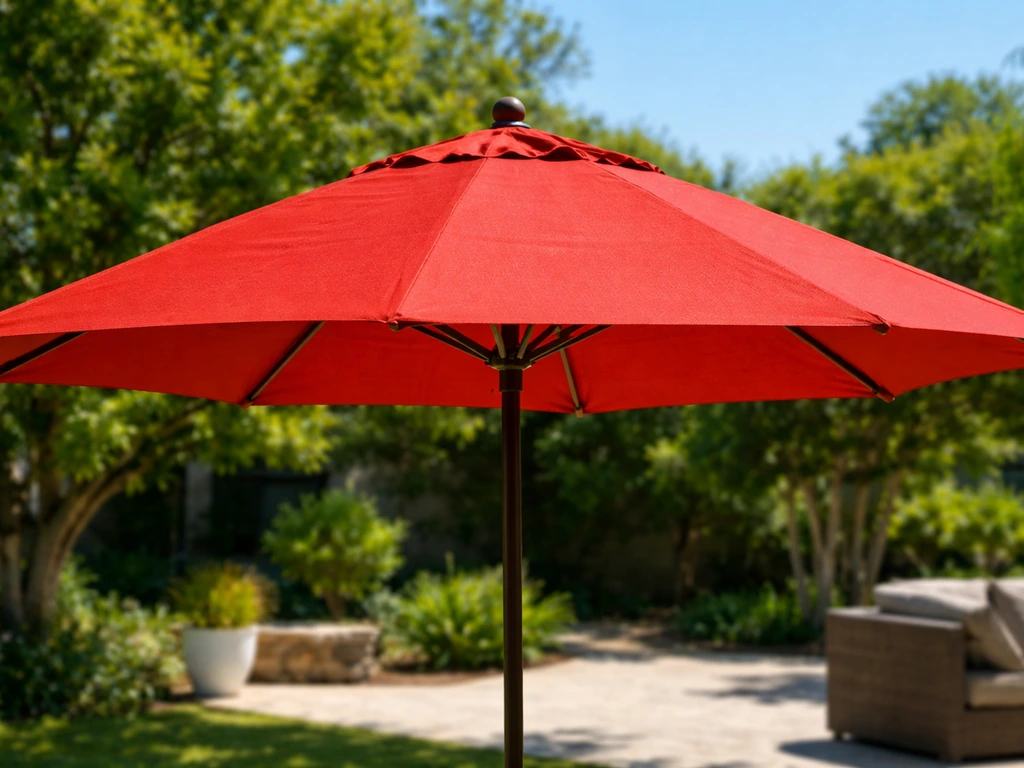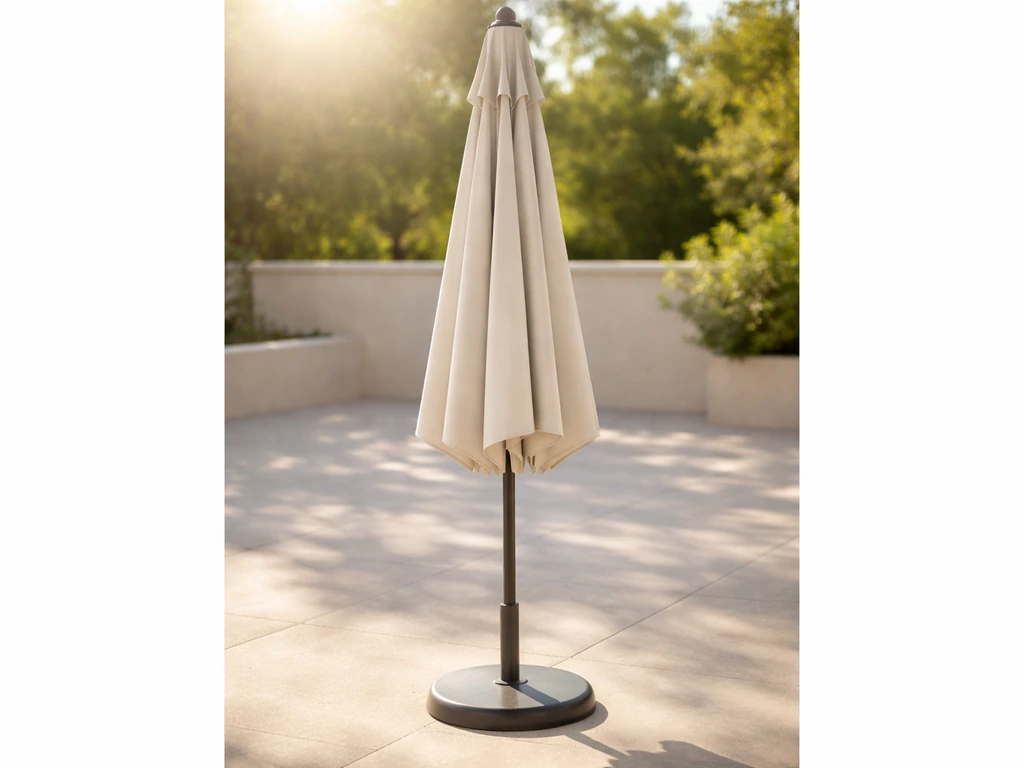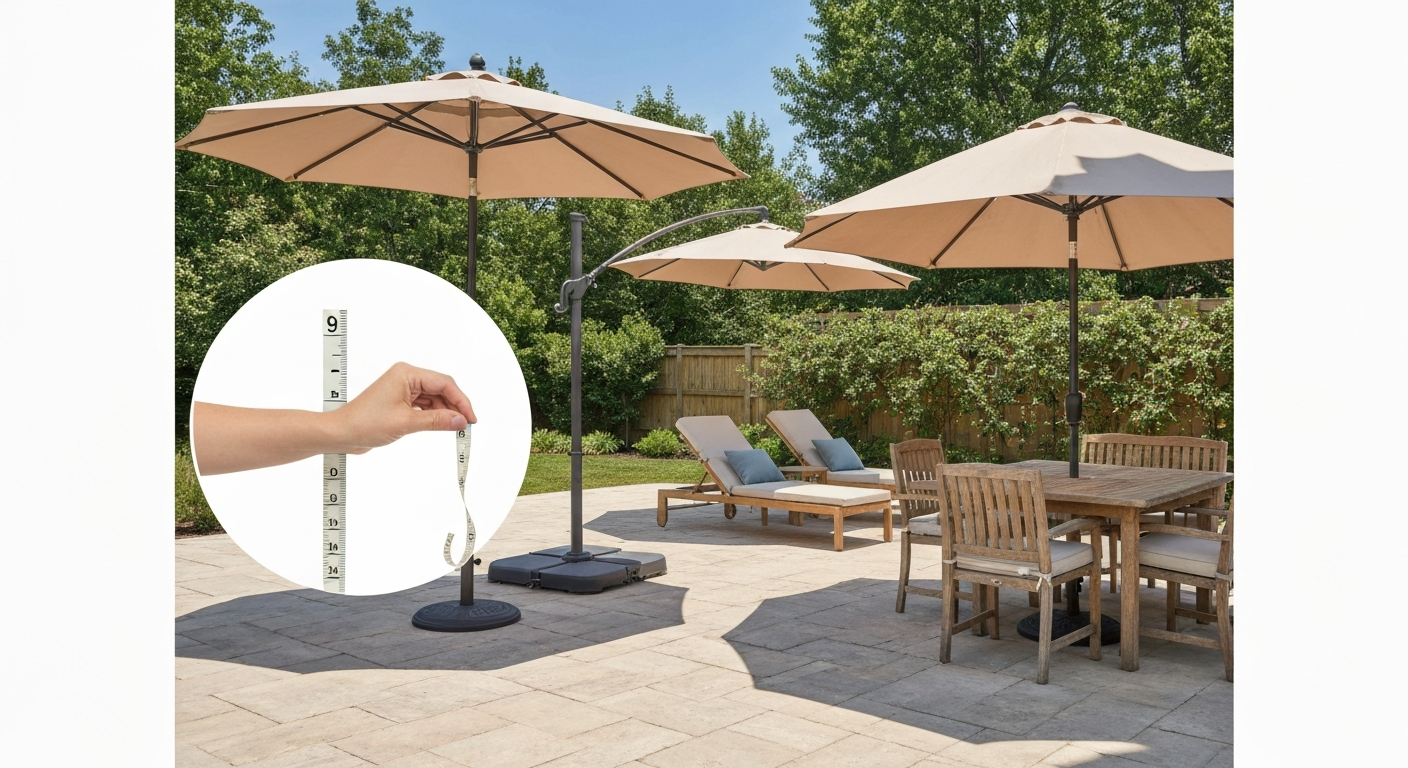
For maximum UV blocking, go with a dark-colored umbrella made from tightly woven fabric with a verified UPF 50+ rating. Black, navy, and dark forest green consistently transmit less UV radiation than white or light pastels. But here is the real catch: color is only part of the story. A dark umbrella with a loose weave can let through more UV than a light-colored umbrella with a dense, high-quality fabric. So the short version is: prioritize the UPF rating and fabric construction first, then lean toward darker colors as a secondary filter, and factor in heat and glare based on your specific patio situation.
What Color Patio Umbrella Is Best for Sun Protection

Kent Lang
23 May 2026
How umbrella color affects UV and heat
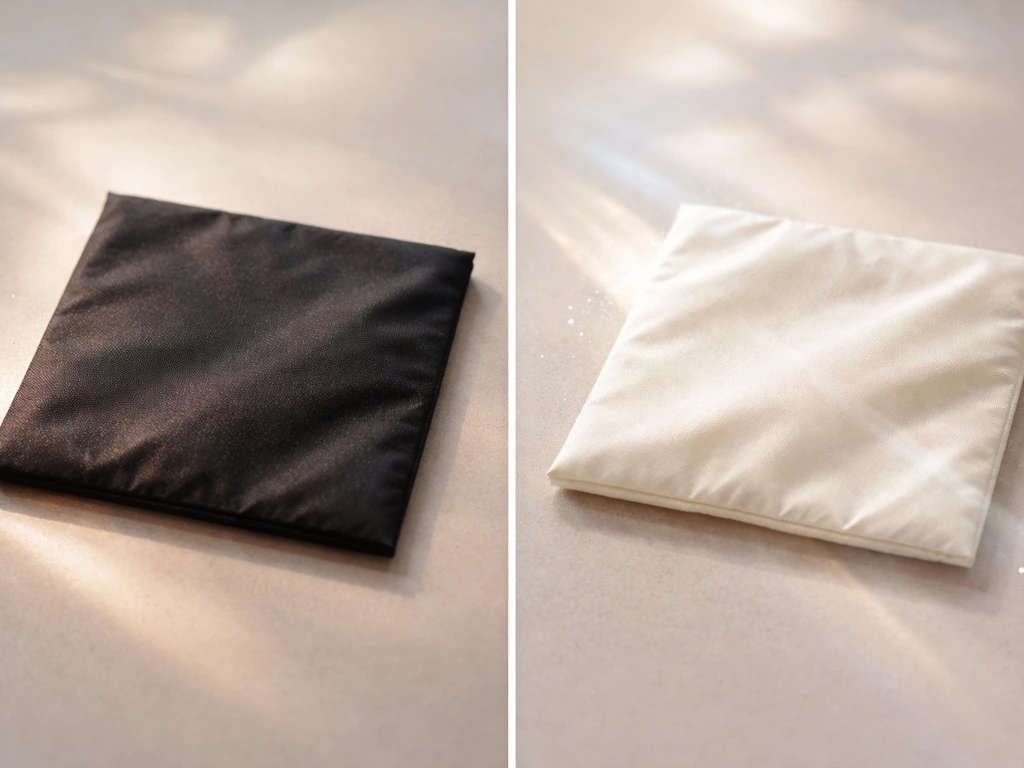
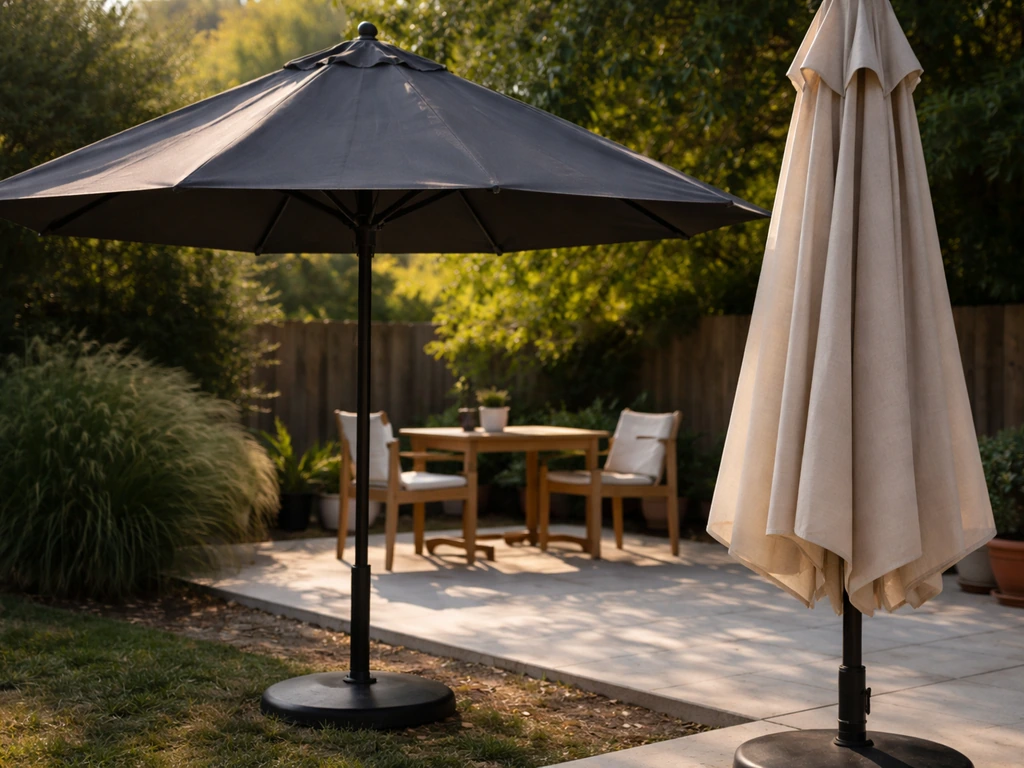
Color affects UV protection in two ways: how much UV the fabric absorbs versus transmits, and how much solar heat it soaks up in the process. Research measuring UV transmittance across fabric colors shows that darker colors generally absorb more UV radiation, meaning less of it passes through to you underneath. That is why the Skin Cancer Foundation notes that a dark, tightly woven umbrella fabric usually offers better protection than a light or translucent one.
The tradeoff is heat. Studies on solar absorptance values for fabrics show that black fabric absorbs roughly 61% of solar energy, compared to just 17% for white. Dark gray comes in around 35%, red around 44%, and blue around 49%. All that absorbed energy radiates downward, warming the air and surfaces underneath the canopy. One retailer comparison puts the temperature difference at 10 to 15 degrees Fahrenheit between sitting under a white versus a black umbrella on the same sunny day. That number comes from a retailer, not a controlled lab study, so treat it as directional rather than exact, but the physics behind it is real.
White and light-colored umbrellas reflect more sunlight rather than absorbing it, which keeps the space underneath cooler. However, they also let more UV through, because reflected UV is still UV that did not get stopped by the fabric. This is the core tension: the colors that block the most UV tend to make your patio feel hotter, and the colors that keep you coolest tend to transmit more UV. Knowing this tradeoff is the starting point for making a smart decision.
Best umbrella colors for maximum sun protection
If blocking UV is your primary goal, these are the colors that perform best, ranked roughly in order of UV-blocking potential based on how they interact with ultraviolet radiation:
- Black: highest UV absorption of any common color, lowest UV transmittance, but the hottest underneath
- Navy blue and dark blue: excellent UV blocking, slightly cooler than black, still absorbs significant solar energy
- Dark forest green: strong UV blocking, a bit more reflective than black or navy, solid all-around performer
- Dark red and burgundy: good UV blocking, noticeably warmer than lighter shades but better UV performance than pastels
- Charcoal and dark gray: a middle-ground option, better UV blocking than light gray, less heat than black
- White, cream, and light pastels: lowest UV blocking, coolest temperature underneath, best for heat reduction but worst for raw UV protection
For most people dealing with intense sun, a dark navy or dark green hits the sweet spot. You get strong UV blocking without the oppressive heat of a pure black canopy. If glare reduction and keeping the patio comfortable are equally important to you, a dark olive or slate blue is worth considering. If you are wondering which patio umbrella color is coolest, start with dark olive or slate blue for both comfort and glare control what color patio umbrella is coolest. Those colors absorb UV well, scatter less glare than a shiny white canopy, and do not turn your patio into a heat trap the way solid black can.
What matters more than color: UPF ratings, UV ratings, and fabric
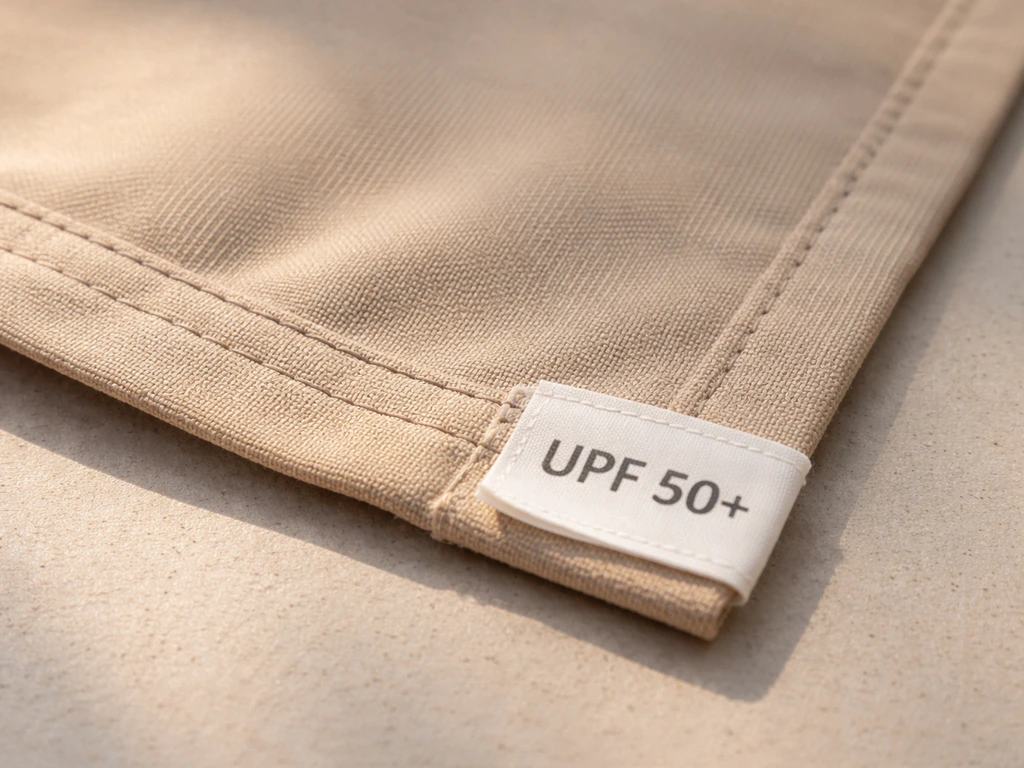
Color is a useful signal, but it is not a reliable substitute for a verified UPF rating. If you are still deciding, learning how to choose patio umbrella color helps you balance UV blocking with heat, glare, and long-term fading. UPF stands for Ultraviolet Protection Factor, and it works like this: a UPF 50 fabric allows only about 2% of UV radiation to reach your skin, while a UPF 15 fabric lets through roughly 7%. The CDC advises looking for UPF ratings above 30 for meaningful sun protection, while the Skin Cancer Foundation requires a minimum UPF of 50 to earn its Seal of Recommendation.
The problem is that UPF ratings are tested by measuring actual UV transmittance through the fabric using a spectrophotometer, following standards like AATCC Test Method 183, EN 13758-1, or AS/NZS 4399. A visually dark umbrella that has never been tested could transmit far more UV than its appearance suggests, because fabric weave density, fiber type, and finishing treatments all affect UV transmittance independently of color. Peer-reviewed research confirms that fabric structure can dominate UV performance, making visible color alone an unreliable proxy.
When you are shopping, here is what to check on the product listing or spec sheet:
- A stated UPF rating (UPF 50+ is the gold standard for serious sun protection)
- Whether the UPF claim is backed by third-party testing or just marketing language, since a 2024 evaluation found that many umbrella brands provided only partial or vague UV protection claims without full test documentation
- UVA and UVB transmittance percentages if available, which give you more detail than a single UPF number
- The Skin Cancer Foundation Seal of Recommendation, which requires UPF 50 and independent verification
- Fabric type: solution-dyed acrylic (like Sunbrella) tends to have both consistent UV blocking and better fade resistance than printed or piece-dyed polyester
It is also worth knowing that even a top-rated umbrella is not a complete sun protection solution on its own. Research highlighted by the Cleveland Clinic shows that shade from an umbrella is significantly less protective than high-SPF sunscreen, especially for reflected and scattered UV. Pairing your umbrella with sunscreen is always smarter than relying on shade alone, and the CDC explicitly recommends combining shade with other protective measures.
Getting coverage right: size, shape, height, and overhang
Even the best UV-blocking fabric fails you if the umbrella is too small, positioned too high, or does not extend far enough past the edges of your seating area. The angle of the sun matters enormously. Morning and late afternoon sun comes in at a low angle, which means it sneaks under a canopy that would otherwise provide good overhead coverage at noon. A larger umbrella with more overhang beyond your table or chairs reduces the amount of angled UV reaching you.
For a standard 4-person patio table, a 9-foot umbrella provides basic coverage but leaves the edges exposed during low-angle sun. A 11-foot umbrella gives noticeably better side coverage. If you have a larger seating area or a sectional, look at 13-foot cantilever options or multiple umbrellas positioned to overlap. Cantilever (offset) umbrellas have an edge here because you can angle and rotate them to track the sun's position, which a center-pole market umbrella cannot do.
Height matters too. Mounting your umbrella lower (if your stand and pole allow adjustment) reduces the gap between the canopy edge and ground level, which cuts off more of those low-angle UV rays. Tilt features help as well, letting you angle the canopy toward the sun rather than relying only on overhead coverage. If you are seriously focused on sun protection, a vented canopy is worth avoiding for umbrellas positioned in direct sun, since vents let both light and UV pass straight through.
Fading, durability, and long-term appearance by color
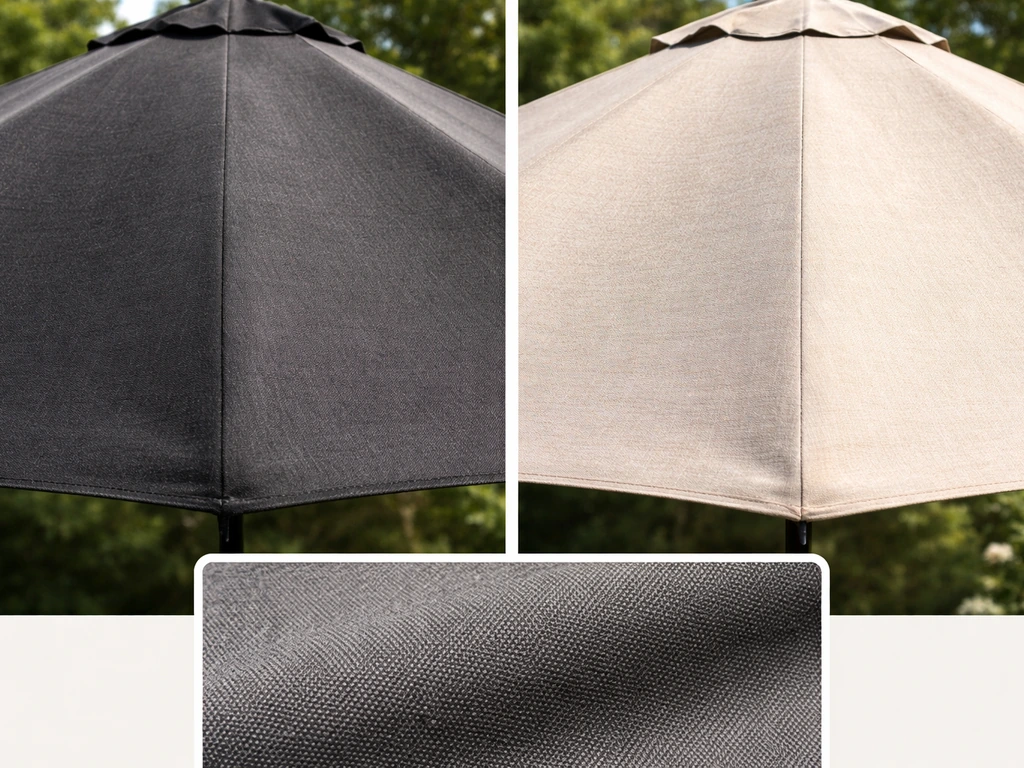
This is where the practical side of color choice gets interesting, because the colors that block the most UV also tend to show the most visible fading over time. Dark colors fade faster under continuous UV exposure than light colors, simply because they have more pigment to lose. Within two to three seasons, a deep black or navy umbrella left in direct sun daily can develop a washed-out, uneven look, especially if the fabric uses surface-applied dyes rather than solution-dyed construction.
Solution-dyed acrylic is the best answer to this problem. With solution-dyed fabrics, color is embedded throughout the fiber during the manufacturing process rather than applied to the surface afterward. This means UV cannot bleach away a surface layer because the color goes all the way through. Brands using this construction (Sunbrella being the most recognized) back it with multi-year fade warranties and demonstrate significantly better lightfastness than printed or piece-dyed polyester alternatives. If you are choosing a dark color for UV protection, paying more for solution-dyed acrylic is genuinely worth it.
Light colors like white, cream, and beige show a different problem: they reveal dirt, bird droppings, pollen, and mildew staining far more visibly than darker shades. They fade less noticeably from UV, but they look dingy faster in real outdoor conditions. Mid-range colors like slate blue, sage green, or warm taupe tend to be the most forgiving on both fronts: they hold color reasonably well, hide environmental staining better than white, and still provide decent UV performance compared to pastels. If you want to dig deeper into which specific shades hold up best over multiple seasons, the topic of fade-resistant patio umbrellas is worth exploring on its own. If you are mainly trying to prevent fading, look for solution-dyed acrylic and colors like deep navy or dark forest green that are known to hold up better fade-resistant patio umbrellas. When you choose the best fade-resistant patio umbrellas, prioritize solution-dyed acrylic and a verified UPF rating for long-term performance.
| Color | UV Blocking | Heat Under Canopy | Fade Visibility | Stain Visibility |
|---|---|---|---|---|
| Black | Excellent | Hottest | High (shows fading) | Low |
| Dark Navy / Dark Blue | Excellent | Hot | Moderate-High | Low |
| Dark Forest Green | Very Good | Moderate-Hot | Moderate | Low |
| Charcoal / Dark Gray | Good | Moderate | Moderate | Low-Moderate |
| Dark Red / Burgundy | Good | Moderate-Hot | Moderate | Low |
| Medium Blue / Slate | Moderate | Moderate | Low-Moderate | Moderate |
| White / Cream / Light Beige | Low | Coolest | Low | High |
Matching color to your patio style and real-world comfort
Sun protection performance matters, but you are also going to look at this umbrella every day. The good news is that the best UV-blocking colors, specifically deep navy, dark green, and charcoal, are also among the most versatile and stylish options for outdoor spaces. They pair well with natural wood furniture, rattan, powder-coated metal frames, and neutral stone or concrete patios. A black umbrella can look sharp with modern or industrial patio furniture but tends to feel oppressive in already-hot climates.
If your patio gets partial shade from trees or a pergola and you are more concerned with glare than raw UV exposure, a lighter option like a warm white or soft sand becomes more reasonable. The fabric is still reflecting and diffusing direct sunlight, and your exposure time in full sun may be short enough that a slightly lower UPF rating is acceptable, especially if you are layering in sunscreen. The decision around which color best fits your patio overall is a slightly different question from pure UV protection, and it involves factors like your furniture palette, the direction your patio faces, and how much time you spend in direct versus indirect light.
Quick recommendations by patio scenario
Intense sun, desert climate, or south-facing patio
Go with dark navy or dark forest green, UPF 50+ certified, in solution-dyed acrylic. Get the largest canopy you can fit (11 feet minimum for a dining table), use a tilting or cantilever umbrella to track the sun, and position it to maximize overhang on your west side in the afternoon. Avoid black if you sit under the umbrella for extended periods, since the heat buildup is real. Do not trust any UV protection claim that does not reference a specific test standard or third-party certification.
Mixed shade backyard with moderate sun exposure
A mid-range color like slate blue, warm charcoal, or sage green gives you solid UV blocking without turning your patio into a sauna. In a partly shaded space, a 9-foot market umbrella may be sufficient. Still look for UPF 50+ if the umbrella will be used during peak sun hours, but a lighter shade like a muted olive or warm tan becomes workable here if it fits your aesthetic and you are supplementing with sunscreen.
Glare control near a pool or reflective surface
Glare bounces off water and light concrete at low angles, so a standard canopy positioned overhead does not fully address it. Here, a cantilever umbrella you can angle sideways to block reflected light is a better tool than any color choice. For the canopy itself, darker colors reduce the light that passes through the fabric, which helps with overhead glare. Avoid white, cream, or shiny metallics if glare is the primary irritant, since those surfaces can themselves become a secondary glare source.
Priority on keeping the patio cool in humid heat
If your bigger concern is heat rather than raw UV, lean toward a lighter color (warm white, light beige, or soft gray) and compensate with a UPF 50+ certified fabric rather than relying on color for UV blocking. A well-rated light fabric will still block the vast majority of UV while reflecting more solar energy away from your space. This is the one scenario where choosing a lighter color makes practical sense, provided you verify the UPF rating and do not just assume a light-colored umbrella is protective.
Shopping checklist before you buy
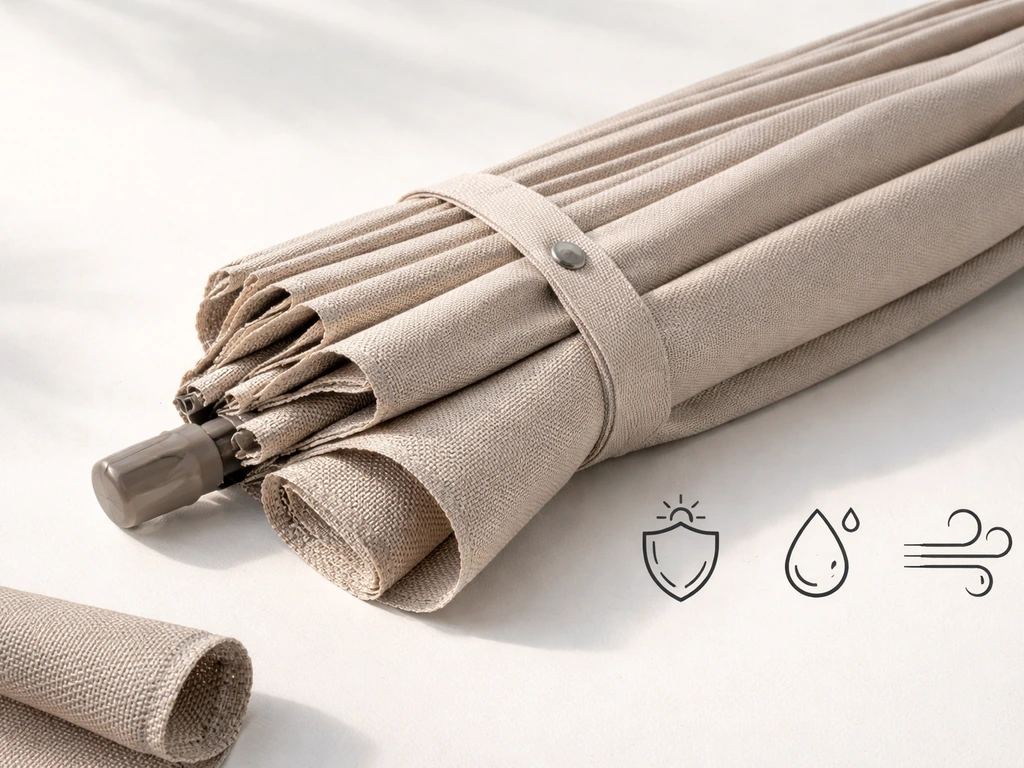
- Confirm a UPF 50+ rating backed by a named test standard (AATCC TM 183, EN 13758-1, or AS/NZS 4399)
- Look for solution-dyed acrylic fabric if you want the color to hold up for more than two seasons
- Check whether the umbrella tilts or rotates to handle low-angle sun, not just overhead coverage
- Size up: a 9-foot umbrella is a minimum for a 4-person table, and 11 feet gives meaningfully better side coverage
- Ignore vague marketing phrases like 'UV resistant' or 'sun protection fabric' without a specific UPF number and test reference
- Pair the umbrella with sunscreen regardless of color or rating, since shade alone is not a complete sun protection strategy
FAQ
If I can only choose between black and navy, which color is better for sun protection without making the patio unbearable?
Go with dark navy or dark forest green. They typically deliver very strong UV blocking like other dark colors, but they absorb and trap slightly less heat than deep black, which can matter if you sit under the umbrella for long stretches.
Does a lighter umbrella color ever provide enough UV protection if I use sunscreen?
Yes, especially for shorter exposure periods. If the umbrella has a verified UPF 50+ rating (tight weave, tested fabric), sunscreen can cover what shade cannot, and a lighter canopy may reduce heat. If the UPF is unknown or unverified, do not rely on color plus sunscreen alone.
Will a white or cream umbrella be unsafe for UV even if it is opaque?
Not automatically unsafe, but opacity is not the same as UV blocking. White and light shades often transmit more UV through the fabric than darker colors, so you still need a tested UPF rating. Look for UPF 30+ at minimum, UPF 50+ if you want maximum protection.
Is canopy coverage more important than color for sun protection during early morning and late afternoon?
Usually yes. Low-angle sun can slip under even a dark canopy, so the key factors are umbrella size, overhang beyond your seating, and tilt or cantilever positioning. Choose the largest canopy you can fit, then optimize color and UPF for the fabric itself.
Do vented umbrellas reduce UV protection, even with UPF-rated fabric?
They can. Vents are designed to let air and light through, which can also increase UV transmission depending on the fabric and construction. If you are shopping primarily for UV blocking in direct sun, prioritize a non-vented canopy and confirm the UPF rating is for the actual canopy material.
How can I tell if the UPF rating is credible and applies to the umbrella fabric I’m buying?
Make sure the listing references a specific UPF test standard or third-party certification and that the rating is for the canopy fabric, not just the frame or a generic material description. Also confirm the rating is for the finished fabric, since coatings, finishing, or replacements can change UV transmittance.
What’s the “worst mistake” people make when choosing a dark umbrella for UV protection?
Choosing dark color without verifying fabric construction and UPF. A visually dark umbrella with a loose weave or unknown testing can transmit far more UV than expected. Always prioritize UPF 50+ and tight, tested fabric over appearance.
Will a solution-dyed umbrella truly resist fading better than surface-dyed options, and does fading reduce UV protection?
Solution-dyed fabrics typically fade more slowly because pigment is embedded throughout the fiber. While fading does not automatically mean UV protection drops, pigment loss and fabric changes can alter UV performance over time, so durability plus a verified UPF rating is the best combo.
If my umbrella is UPF-rated, do I still need sunscreen?
Yes. Shade from an umbrella is not the same as full-body UV protection, because UV can reach you through reflected and scattered light, not just directly from above. Use sunscreen as an additional layer, especially on arms, legs, neck, and the sides not covered by the canopy.
What color helps most with glare and reflected UV from light concrete or water nearby?
For glare reduction, darker or muted tones like slate blue, dark olive, or charcoal generally help because less light passes through the fabric. However, glare is also about direction and reflection, so a cantilever umbrella that you can angle sideways often works better than any color choice.