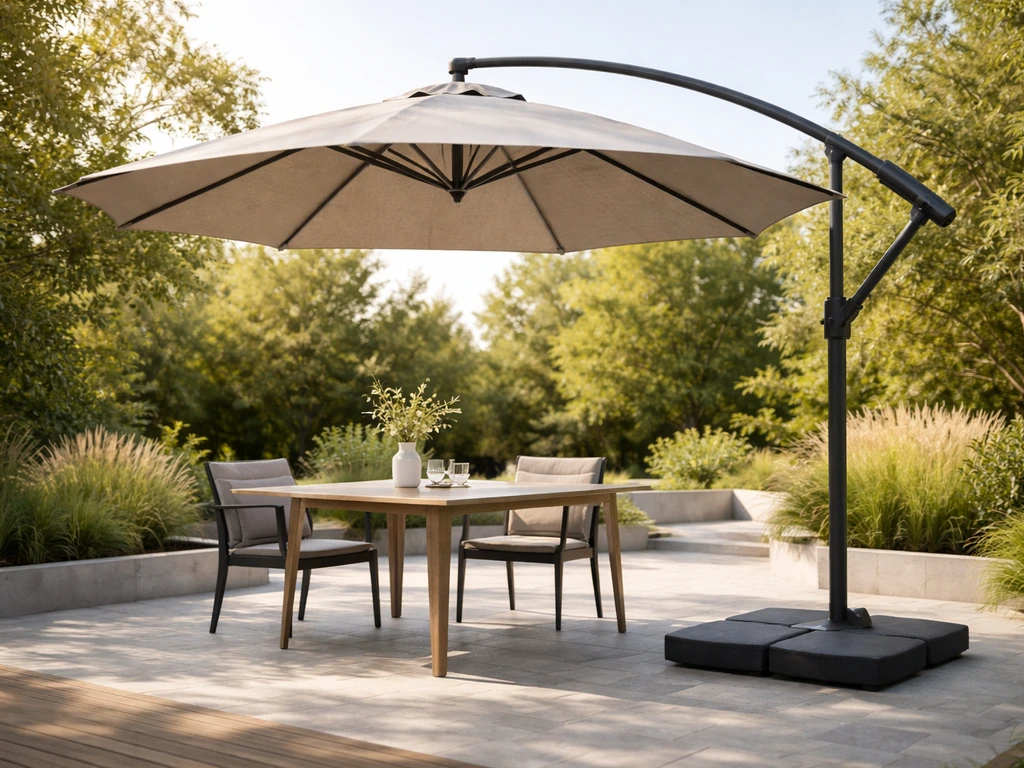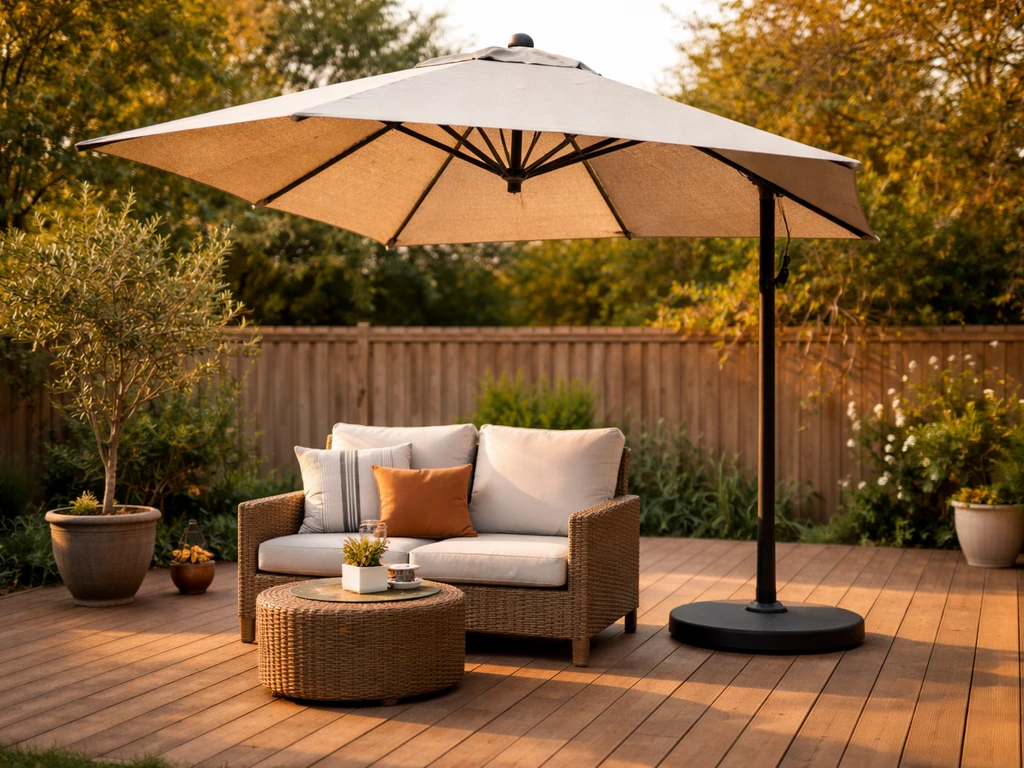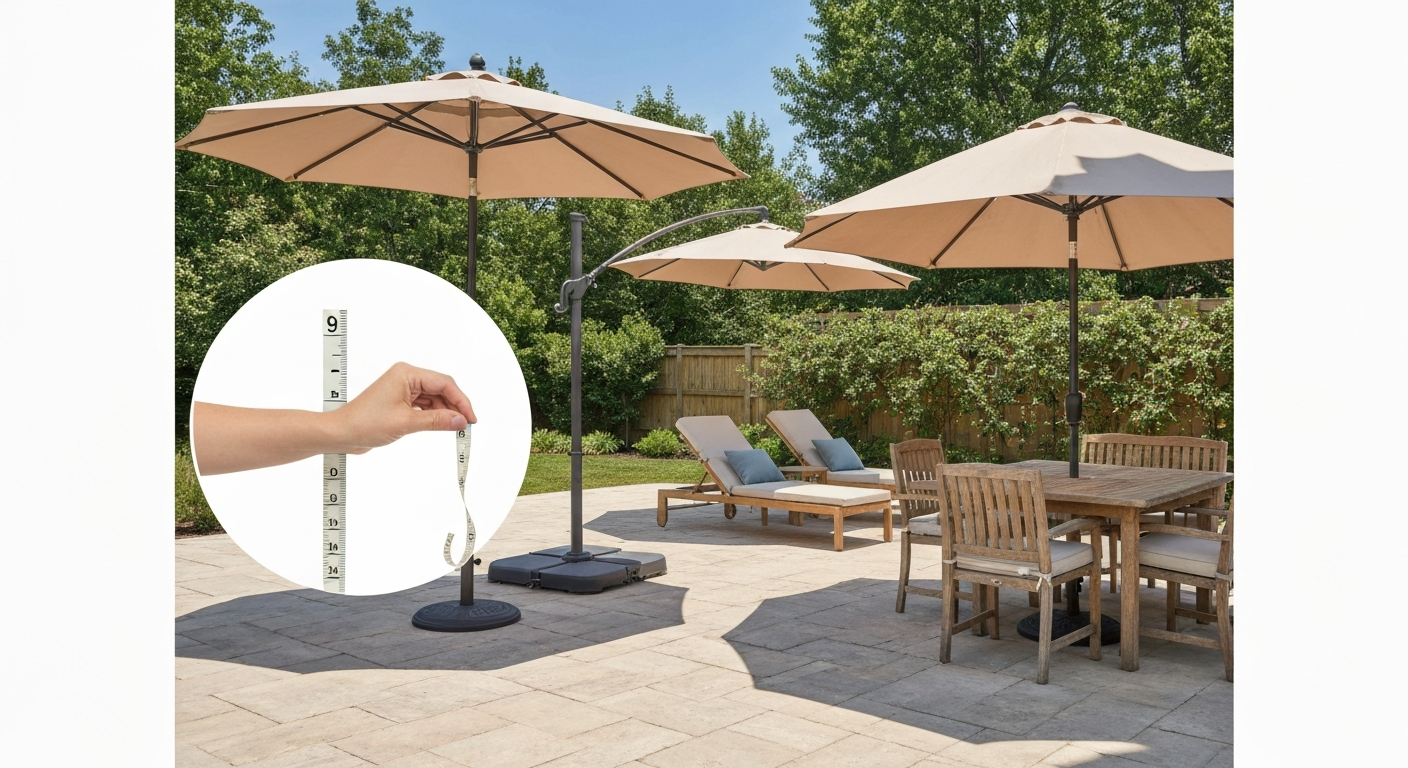
For most patios, the best 10 ft umbrella is a market-style (center-pole) umbrella with a powder-coated aluminum frame, solution-dyed acrylic or Sunbrella fabric, a crank-open and auto-tilt mechanism, and a base weighing at least 50 lbs. That combo covers roughly 60–70 square feet of shade, handles everyday wind gusts reasonably well, and holds up through multiple seasons without fading or rotting. If your table is in a corner or against a wall, an offset cantilever at 10 ft gives you better coverage placement without the center pole in the way. The right pick depends on your specific layout, budget, and how much wind you deal with regularly, and this guide walks you through every decision point.
Best Choice 10 ft Patio Umbrella: How to Pick Yours Today

Kent Lang
8 Jun 2026
What 'best' actually means for a 10 ft umbrella
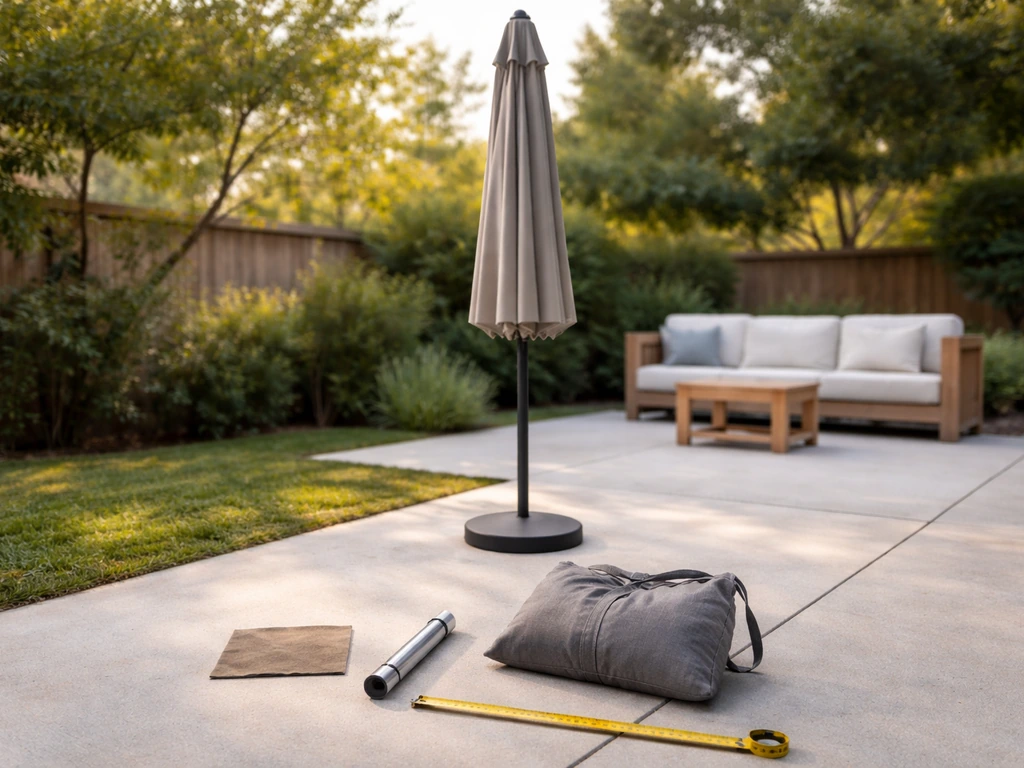
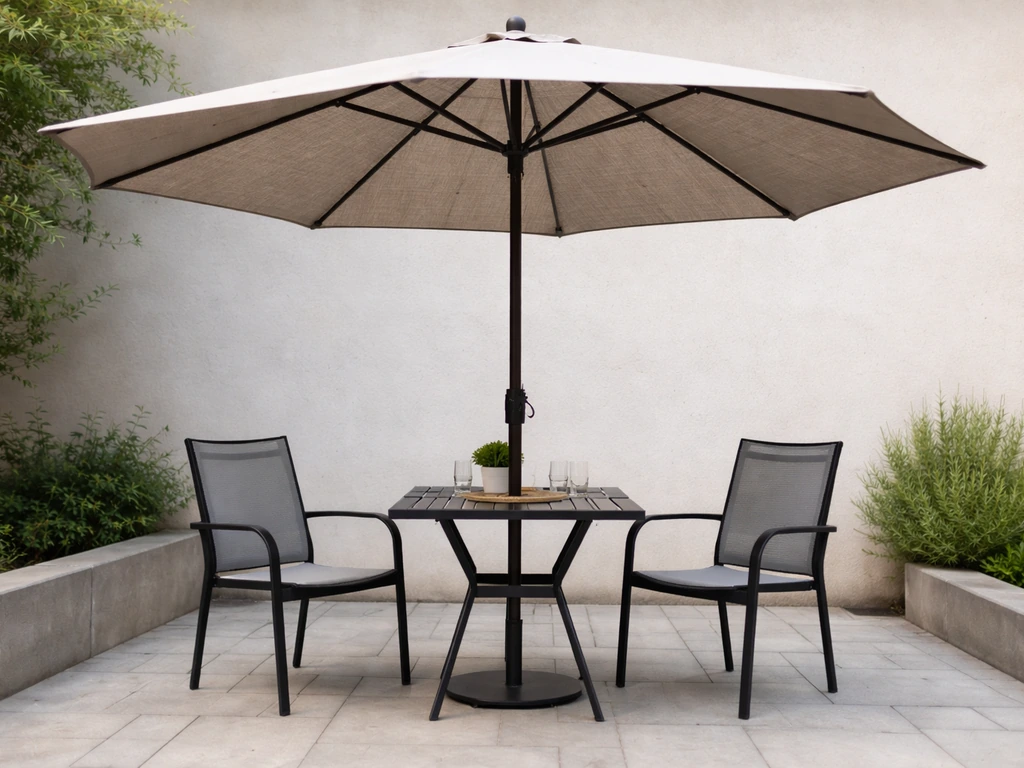
When people search for the best 10 ft patio umbrella, they usually mean one thing: which one won't disappoint them after six months? That's a different question than which one looks best in a product photo. The real priorities are shade coverage that matches the space, a frame that doesn't corrode or flex excessively in the wind, fabric that holds color after a full summer, and a tilt or crank system that actually works without jamming. 'Best' is not a single product, it's the right configuration for your specific situation.
Before you look at a single model, run through these priorities in order: How much shade do I need, and where exactly does it need to fall? Do I have a center-pole-friendly table, or do I need an offset design? How windy does it get where I live? And what's my realistic budget, including the base? Once you've answered those, 'best' narrows down to two or three options, not fifty.
10 ft coverage in real terms: measure your patio first
A 10 ft umbrella canopy has a diameter of 10 feet, which means a radius of 5 feet from the center pole. That translates to roughly 78 square feet of theoretical shade, but actual usable shade on the ground at midday angles is closer to 60–70 square feet depending on the sun's position. For a standard 48-inch round table with four chairs, a 10 ft canopy is a solid fit, it covers the table and gives a foot or two of overhang beyond the chairs. For a 6-person rectangular dining set, you're at the edge of coverage and might want to look at an 11 ft or a rectangular canopy instead.
Clearance matters just as much as coverage. A standard market umbrella pole sits at about 7.5 to 8 feet when open. If you have a pergola, overhead string lights, or a low overhang, measure the vertical clearance before buying, you need at least 8 feet of headroom from the ground to whatever is above. For offset and cantilever designs, the arm can extend at angles that require even more lateral space. Measure your patio width and note any walls, railings, or furniture that might interfere with the canopy edge.
One practical tip: lay a tarp or bedsheet that's 10 ft across on your patio and stand back. Does it cover what you want shaded? Does it leave room for chairs to push out? That quick test tells you more than any product description.
Market, offset, or cantilever: pick the style that fits your layout
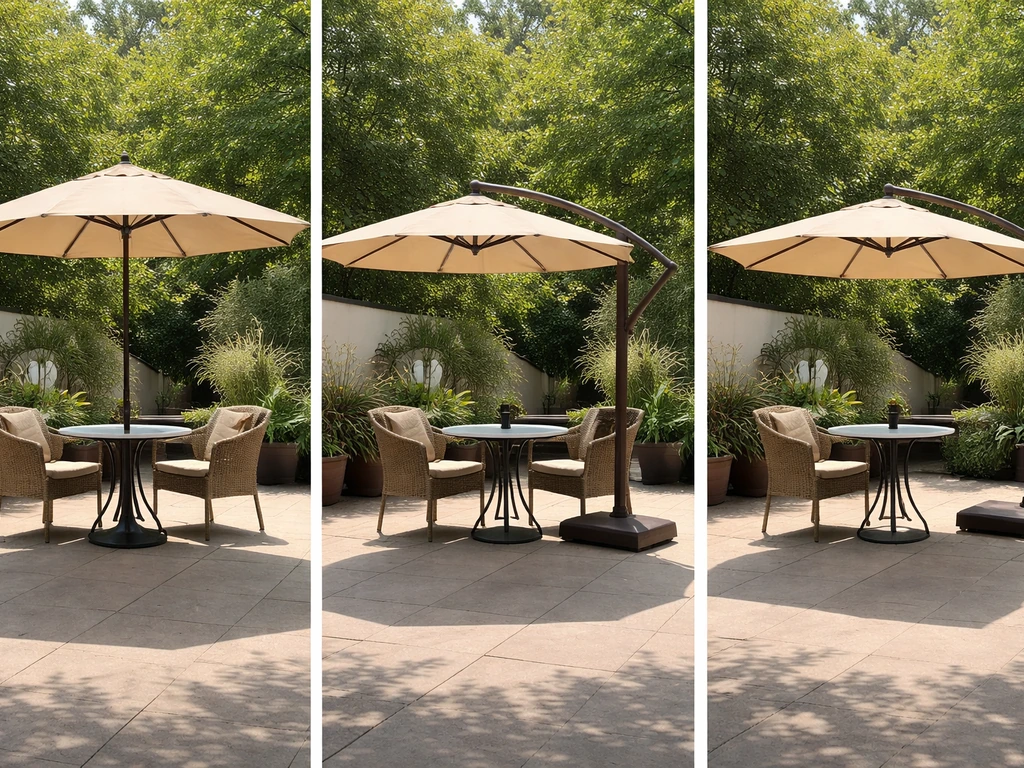
Style choice is really a layout question. Each design solves a different positioning problem, and buying the wrong style for your space is one of the most common, and most expensive, mistakes shoppers make.
Market umbrella (center pole)
This is the classic design: a single pole through the center of a table, with ribs radiating outward to support the canopy. Market umbrellas are the most stable design for their size because the weight transfers straight down through the pole into the base. They're also the most affordable and have the widest selection at 10 ft. The tradeoff is the center pole, which requires a hole in your table or a freestanding pole base. If your table doesn't have an umbrella hole, you either add a pole ring adapter or switch styles.
Offset (tilt/cantilever)
An offset umbrella has its pole set to the side and an arm that extends over the seating area, leaving zero obstruction under the canopy. This is the right choice when your table is against a wall or in a corner, when you want shade over a chaise lounge or sectional sofa, or when you just don't want a pole in the middle of your sightline. The 10 ft offset category is popular and includes cross-base designs and weighted-base options. The catch: offset designs require heavier, wider bases to counterbalance the canopy weight at a distance. Budget models often come with undersized bases that tip in moderate wind, this is the single biggest quality issue in the offset category.
If you're considering offset options, it's worth comparing the standard 10 ft offset market umbrella against the Best Choice Products 10 ft offset hanging outdoor market umbrella, which represents a common entry-level approach to this style and highlights the base-stability tradeoffs well. That Best Choice Products 10 ft offset hanging model is a good example to compare for base stability and real-world wind performance best choice products 10ft offset hanging outdoor market patio umbrella.
Quick style comparison
| Style | Best For | Base Requirement | Price Range | Main Limitation |
|---|---|---|---|---|
| Market (center pole) | Tables with umbrella hole, open patios | 50–75 lbs minimum | $60–$400+ | Center pole blocks sightline/seating |
| Offset / Tilt | Corner setups, loungers, no-hole tables | 75–100 lbs minimum | $100–$500+ | Heavier base needed; tippy if undersized |
| Cantilever (rotating) | Large seating areas, 360° shade positioning | 100+ lbs minimum | $200–$800+ | Higher cost; more moving parts to maintain |
The specs that actually separate a good umbrella from a frustrating one
Frame material: aluminum vs. steel
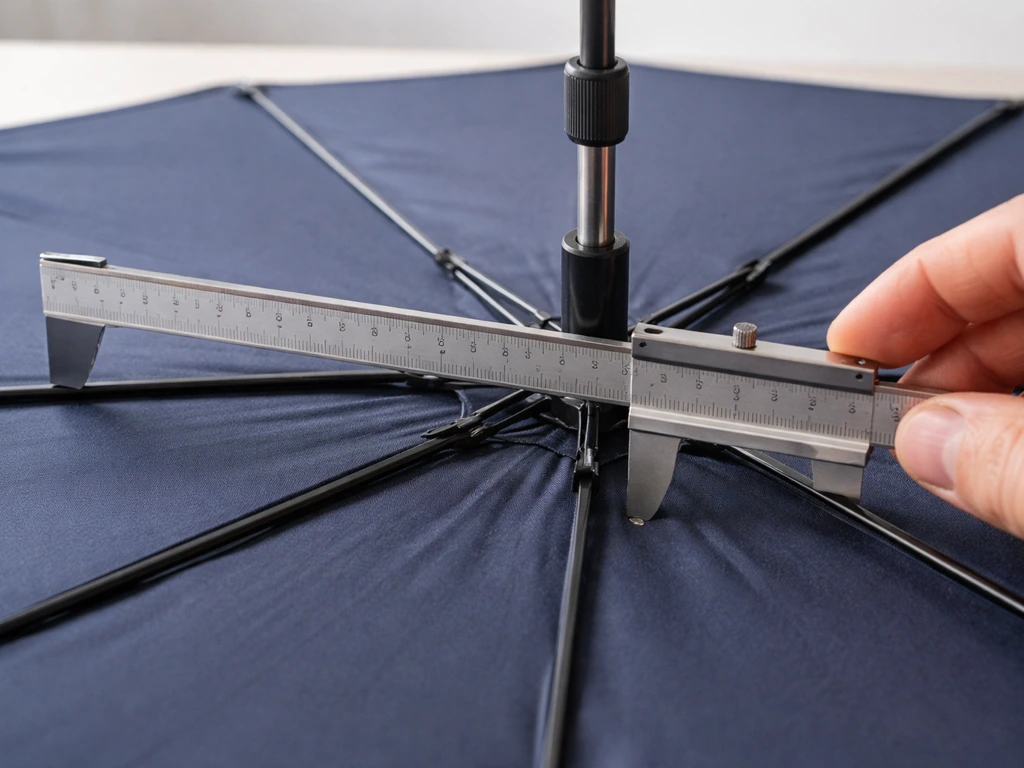
Aluminum is the right choice for most buyers. It's lightweight enough to open and reposition easily, it doesn't rust, and quality powder-coated aluminum holds up to years of UV exposure and rain without corroding. A 10 ft aluminum pole should be at least 1.5 inches in diameter, thinner poles flex noticeably in wind. Steel is heavier and stronger but will rust at fasteners and joints if the coating is scratched, which it inevitably is after a season or two. Avoid untreated or thinly coated steel for anything that lives outdoors year-round.
Fabric: polyester vs. acrylic
Fabric is where the biggest quality gap exists between budget and premium umbrellas. Standard polyester canopies (which dominate the under-$150 price range) fade significantly within one to two seasons of sun exposure, and they absorb water rather than repelling it well. Solution-dyed acrylic fabrics, including those marketed under the Sunbrella name, are woven with pigment throughout the fiber rather than printed on top, which means color stays consistent even after years of UV exposure.
Sunbrella-grade and awning-grade 100% solution-dyed acrylics are specifically backed by extended limited warranties for fade resistance from manufacturers like East Coast Umbrella, that warranty confidence is a real quality signal, not just marketing. Sunbrella-grade (marine) fabrics are backed by East Coast Umbrella warranty terms that describe coverage categories, including extended limited warranty support for fade resistance extended limited warranties for fade resistance.
For a 10 ft umbrella you plan to use for more than two seasons, solution-dyed acrylic is worth the price premium.
UV protection
Look for a UPF rating of 50+ on any umbrella you're buying for sun protection. A UPF 50+ canopy blocks more than 98% of UV rays. Dense, tightly woven fabrics perform better here than loosely woven ones, regardless of the material. If UV protection is a priority (it should be), check the spec sheet rather than trusting general claims like 'UV-resistant' or 'sun protection' in the product title, those phrases have no standard definition.
Tilt and crank mechanisms
A crank-open system is a basic must-have at this size, manually pushing open a 10 ft canopy is awkward and hard on the ribs. The tilt mechanism is where budget models cut corners. Push-button tilt is the most common and least precise: you click through fixed angles (usually 0, 15, and 30 degrees). Collar tilt lets you rotate the canopy 360 degrees and tilt at any angle, which gives you much better shade control throughout the day. Auto-tilt (tied to the crank handle rotation) is the most convenient, but it adds moving parts that can wear out. For everyday use, collar tilt on a quality pole is the best balance of control and durability.
Wind stability: the base and weights you actually need
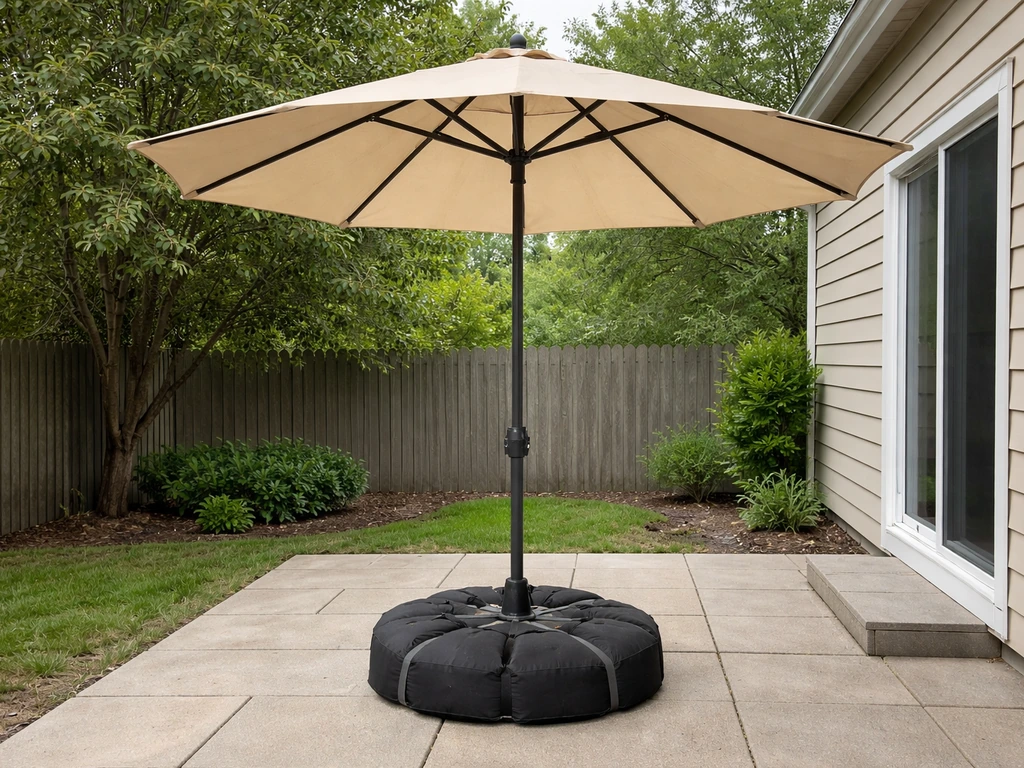
Undersizing the base is the most common and most dangerous mistake people make with 10 ft umbrellas. A fully open 10 ft canopy creates significant wind resistance, enough to tip an underpowered base and send the umbrella across your patio (or your neighbor's yard) in a strong gust. The umbrella itself isn't the only thing at risk: blank" rel="noopener noreferrer">Treasure Garden explicitly states in their warranty terms that wind damage is not covered, and Frankford's warranty documentation specifically warns that high winds can cause the canopy fabric to rub and thin over time. Wind management is a longevity issue, not just a safety one.
For a center-pole market umbrella at 10 ft, a minimum base weight of 50 lbs is the starting point, 75 lbs is better if you live somewhere with afternoon gusts. For offset and cantilever designs, go no lower than 75 lbs, and 100 lbs is the safer number. Cross-base designs with four fill-able or weighted legs spread the load better than single-pole bases. Concrete-filled bases are heavier but harder to move; water-filled or sand-filled bases are lighter to transport but less stable in sustained wind.
- Market umbrella on a freestanding base: 50–75 lbs minimum, 1.5-inch pole diameter minimum
- Market umbrella through a table: the table itself helps stabilize — still add a base rated for 10 ft
- Offset umbrella (arm style): 75–100 lbs, preferably a cross-base with wide footprint
- Cantilever (rotating): 100+ lbs; look for bases with four locking feet or anchor points
- Any umbrella in a windy region: close it when not in use, no exceptions
One practical rule: if the base came free with the umbrella in a budget bundle, it's almost certainly undersized. Buy the base separately and size it properly. The umbrella's useful life depends on it.
Budget vs. performance: where to spend and where to save
Ten-foot umbrellas span a wide price range, and the quality jump is real at certain thresholds. Here's an honest breakdown of what you're getting at each tier.
| Budget Tier | Typical Price Range | Frame | Fabric | Best For | Watch Out For |
|---|---|---|---|---|---|
| Entry-level | $60–$150 | Steel or thin aluminum | Polyester (often 180g) | Occasional use, seasonal replacement expected | Fading, rust at joints, flimsy tilt mechanism |
| Mid-range | $150–$300 | Powder-coated aluminum | Polyester or blended acrylic | Regular seasonal use, 2–4 year lifespan | Fabric durability varies widely; check reviews |
| Premium | $300–$600+ | Heavy-gauge aluminum or fiberglass ribs | Solution-dyed acrylic / Sunbrella grade | Daily use, 5+ year lifespan expected | Higher upfront cost, but lower long-term cost |
Spend most on frame and fabric, those determine how long the umbrella lasts. The crank and tilt mechanism is worth upgrading too, because replacing a failed mechanism on a cheap umbrella often costs more than the umbrella is worth. Where you can save: color and design extras (extra panels, LED lights, solar features) add cost without improving core function. A basic 8-rib umbrella with a good frame and quality fabric outperforms a flashy 12-rib version made from inferior materials every time.
If you're choosing between a $100 umbrella with a decent base included and a $200 umbrella where you buy the base separately, often the $200 route gives you better total value, you get a higher-quality canopy and can right-size the base. Best Choice Products umbrellas sit firmly in the entry-to-mid range, and they're a reasonable starting point for buyers who want a functional umbrella without a premium investment, as long as expectations around multi-season durability are calibrated accordingly. Best Choice patio umbrella models are a solid entry-to-mid range option when you want functional shade without overpaying.
Setup, care, and making your umbrella last
Setup basics
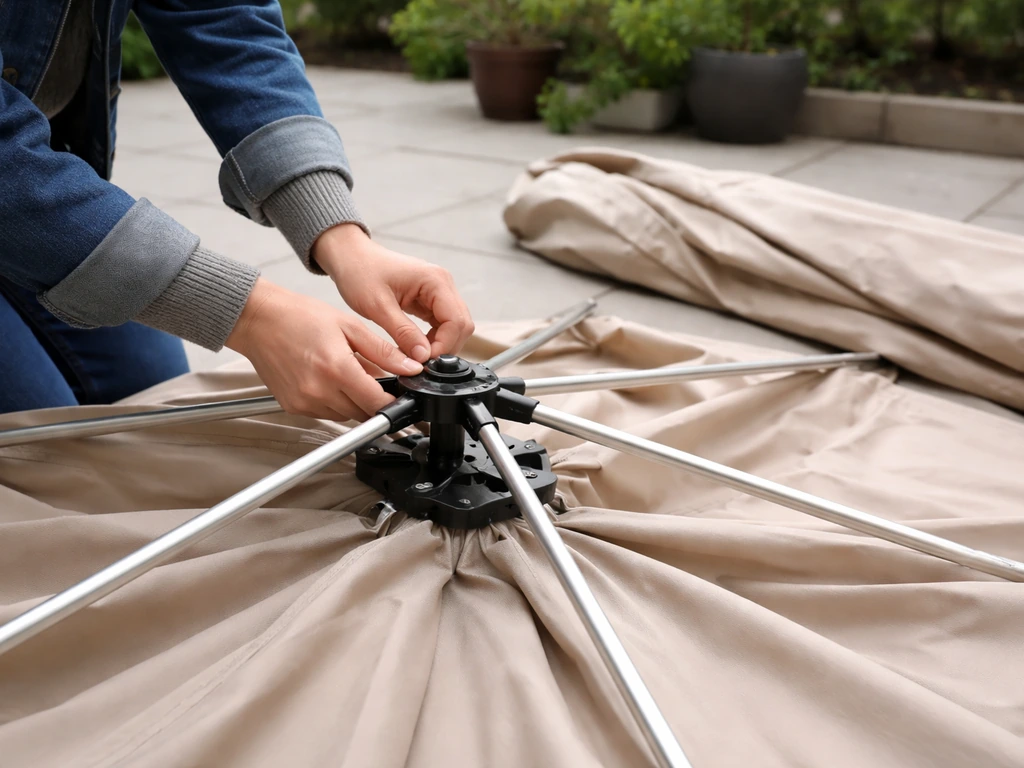
Assembly for most 10 ft market umbrellas takes 20–40 minutes with one person, but having a second set of hands makes it much easier, especially when attaching ribs. Read the rib-attachment sequence in the instructions before you start, skipping ribs or attaching them out of order can stress the pole hub. Confirm the pole fits your table hole before lifting the canopy (most tables use a 1.5-inch hole, but some older tables run 1.75 inches or 2 inches). For offset designs, assemble the base first, lock it in position, then assemble the canopy arm, trying to do it in reverse is a frustrating way to spend an afternoon.
Cleaning and fabric care
Most patio umbrella fabrics are designed to be water-repelling and mildew-resistant, but that doesn't mean they clean themselves. Consumer Reports recommends following manufacturer instructions for your specific fabric, and for most polyester and acrylic canopies that means a mild soap solution (dish soap or diluted laundry detergent), a soft brush, and a thorough rinse. Do not use bleach on acrylic fabrics, it breaks down the fibers. Let the canopy dry fully before closing and storing it. Closing a damp umbrella is the fastest way to grow mildew in the folds, which is difficult to remove and accelerates fabric breakdown.
Day-to-day habits that add years to the umbrella
- Close the umbrella whenever you're not actively using it — wind damage is not covered under most warranties, and an unattended open canopy is a sail waiting to become a projectile
- Use a protective cover when the umbrella is closed for extended periods, especially during rain
- Check and tighten rib connectors and hub screws at the start of each season
- Lubricate the crank mechanism and tilt collar once a season with a silicone spray — not WD-40, which attracts dirt
- Store the canopy indoors or in a weather-resistant bag over winter; UV and freeze-thaw cycles degrade both fabric and frame finishes faster than anything else
- Inspect the base weight annually — water-filled bases can crack in freezing temps if not drained
Before you buy: verify these specs
Product listings in the 10 ft category are inconsistent about whether the stated size is the canopy diameter, the canopy radius, or the pole height. Always confirm that '10 ft' refers to the canopy span from edge to edge. Check that replacement canopies or ribs are available for the specific model, this is especially important for offset designs with proprietary arm angles.
Confirm the pole diameter matches your table hole, and verify whether the listed base is sold separately or included. Models with similar names from the same brand (like different Best Choice Products 10 ft lines, or variations like their 8x11 ft rectangular version or the 7. 5 ft solar model) can have meaningfully different specs, so match the exact model number, not just the brand name and general size.
If you're choosing between a standard 10 ft round and something like a rectangular canopy, that's a separate decision worth its own research, rectangular designs cover elongated seating areas more efficiently but require a different base setup and have fewer style options at the 10 ft equivalent size. The goal is to buy once, size it right, and take care of it, a quality 10 ft umbrella with a proper base and basic seasonal care should give you five or more seasons of reliable shade.
FAQ
Can I leave a 10 ft patio umbrella open during windy afternoons? If not, what should I do instead?
Yes, but plan for airflow and wind management. If you must close it during stronger gusts, choose a model with an easy crank and a fabric that stays taut when retracted. Also confirm the base weight requirement for your specific style (center-pole vs offset), because folding down a tipped umbrella usually causes more damage than leaving it properly secured.
How much overhang should a 10 ft patio umbrella provide for dining chairs?
Most 10 ft umbrellas work best when the umbrella edge clears the chairs by at least a few inches so people can slide seats out without snagging the fabric. A practical check is to measure chair “pull-out” distance (how far the chairs move from the table) and then verify the canopy will still overlap the chair area after tilting toward the sun.
What should I check to make sure the umbrella pole fits my table hole (and what if it does not)?
Look at the pole hole size in your table, then match the umbrella pole diameter listed for that exact model. Don’t assume “about 1.5 inch” is universal, older tables can be larger (or smaller). If your pole won’t fit, an adapter ring can help for some tables, but it must match both diameter and the way the clamp or pin seats in the hub.
Is it OK to keep a 10 ft umbrella outside all year, and how should I store it when not in use?
If you plan to leave it outdoors year-round, choose solution-dyed acrylic and a corrosion-resistant frame, then use a breathable cover and secure it when stored. Avoid storing a damp umbrella, and remove any standing water from the canopy and folds before covering. Covers should be vented or breathable to reduce mildew.
How do I measure clearance correctly if I have a pergola or string lights, especially with an offset or tilt model?
Measure vertical clearance twice, because lights and pergola beams often sit at slightly different heights across the span. For tilting or offset arms, add extra clearance beyond the minimum headroom so the canopy edge does not hit lights or gutters during rotation. When in doubt, set the umbrella fully tilted toward the area that causes the tightest clearance.
What are the best ways to test the crank and tilt quality in-store (or on delivery)?
A crank-open mechanism makes a noticeable difference, but the real durability check is whether the tilt feature locks smoothly and holds position under load. If the tilt has multiple fixed stops, test each position for wobble and make sure the canopy doesn’t “creep” when you let go. Jamming usually shows up when the collar or hinge is misaligned.
My 10 ft umbrella feels wobbly. How can I diagnose whether it is a base issue or a build issue?
If your umbrella wobbles, do not just buy a heavier base blindly for offset models. First verify the base type matches the style, then confirm the base weight is appropriate for sustained wind, not just light gusts. Next check that the pole is fully seated, and that the ribs and hub are assembled in the correct order, because loose rib attachment can magnify movement.
Can I buy a 10 ft umbrella and a base separately, and how do I confirm they are compatible?
Yes, but it depends on how the base connects to the umbrella and how the fillable legs are arranged. Some bundles include a base that is compatible only with that specific hub diameter or mounting pattern. Before buying separately, confirm base attachment hardware, whether the base can accept the fill ports, and that the base meets the minimum weight targets for your umbrella style.
How should I verify UPF claims for a 10 ft patio umbrella, and should I care about tilt for UV exposure?
For sun protection, don’t rely only on marketing phrases. Check that the canopy lists a UPF rating (for example, UPF 50+), and confirm whether it applies to the full canopy, not only treated seams or specific panels. Also consider that tilt and location change the actual exposure during the day, so being able to adjust matters as much as the UPF number.
What causes early fading or mildew on a 10 ft umbrella, and what cleaning steps should I follow?
If you see fading or water soaking after the first season, it’s usually either fabric grade or cleaning practices. Solution-dyed acrylic tends to keep color longer, while basic polyester can fade faster. For cleaning, use mild soap and avoid bleach, then fully dry before closing. If mildew is already present, treat promptly according to the manufacturer’s fabric guidance.