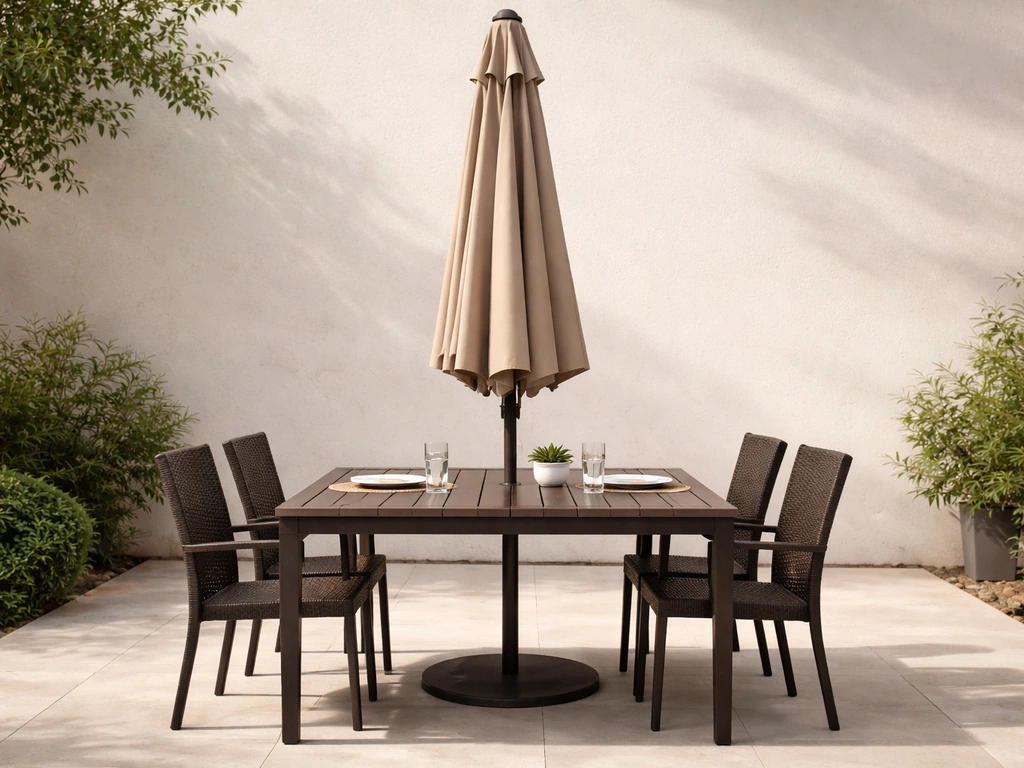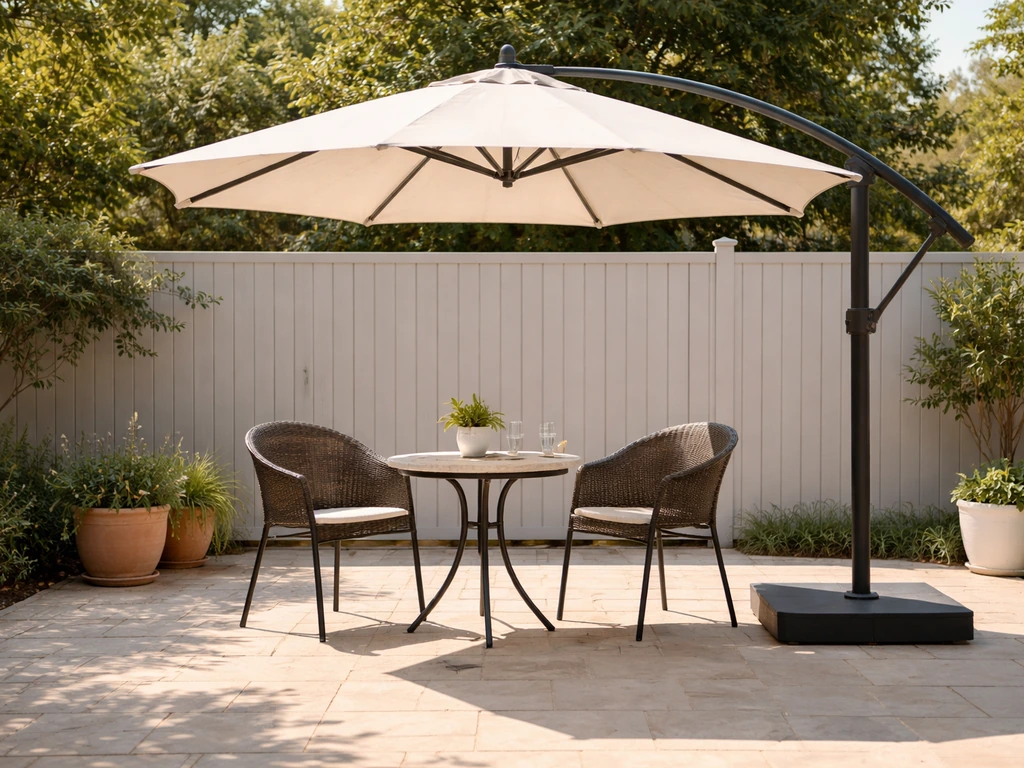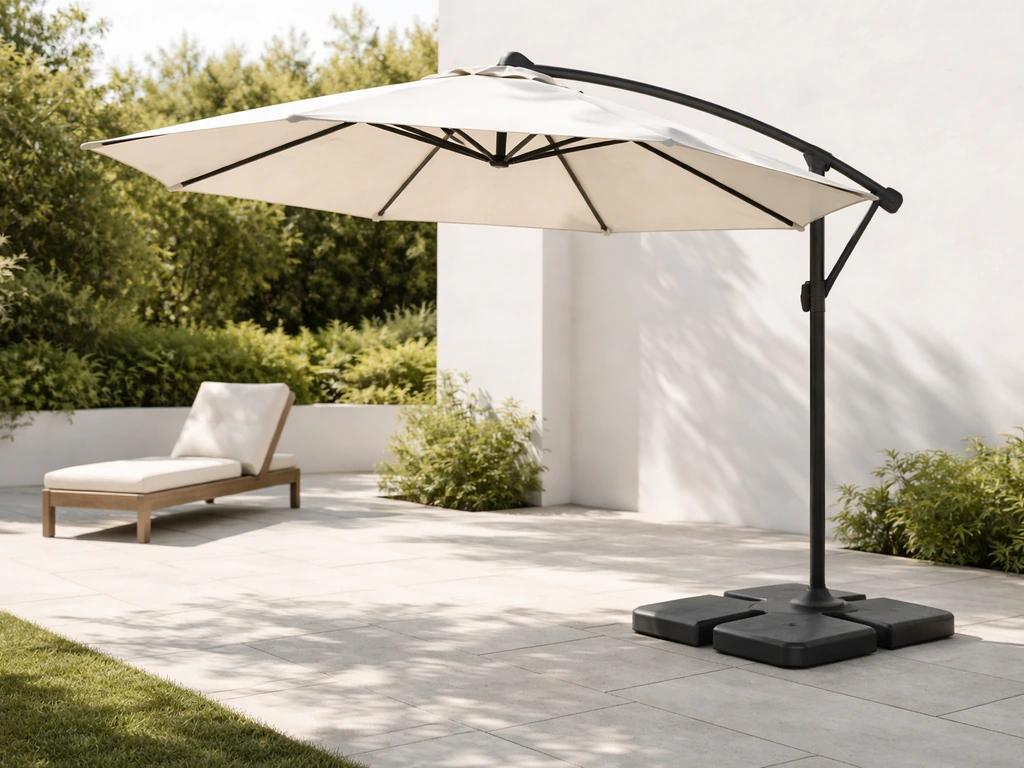
The best outdoor patio umbrellas right now are the ones that match your actual space, not the ones with the flashiest marketing. For most homeowners with a standard dining table, a well-built 9-foot or 11-foot market umbrella with a Sunbrella canopy and an aluminum or steel frame is the sweet spot between cost and durability. If you want shade without a center pole in the way, a cantilever or offset umbrella from a brand like Treasure Garden, TUUCI, or FiberBuilt is worth the extra money. But the 'best' label only means something when it lines up with your coverage needs, wind exposure, and what you're willing to spend on a base. If you're still deciding, use this best outdoor umbrellas patio guide as a related option alongside the specific umbrella style advice in this section. If you still want a related option while you compare features, also review these good patio umbrellas for how they handle size, base stability, and wind. If you want a shortcut, look for the best made patio umbrellas that match your size, wind exposure, and canopy fabric needs.
What Are the Best Outdoor Patio Umbrellas? Buyer Guide

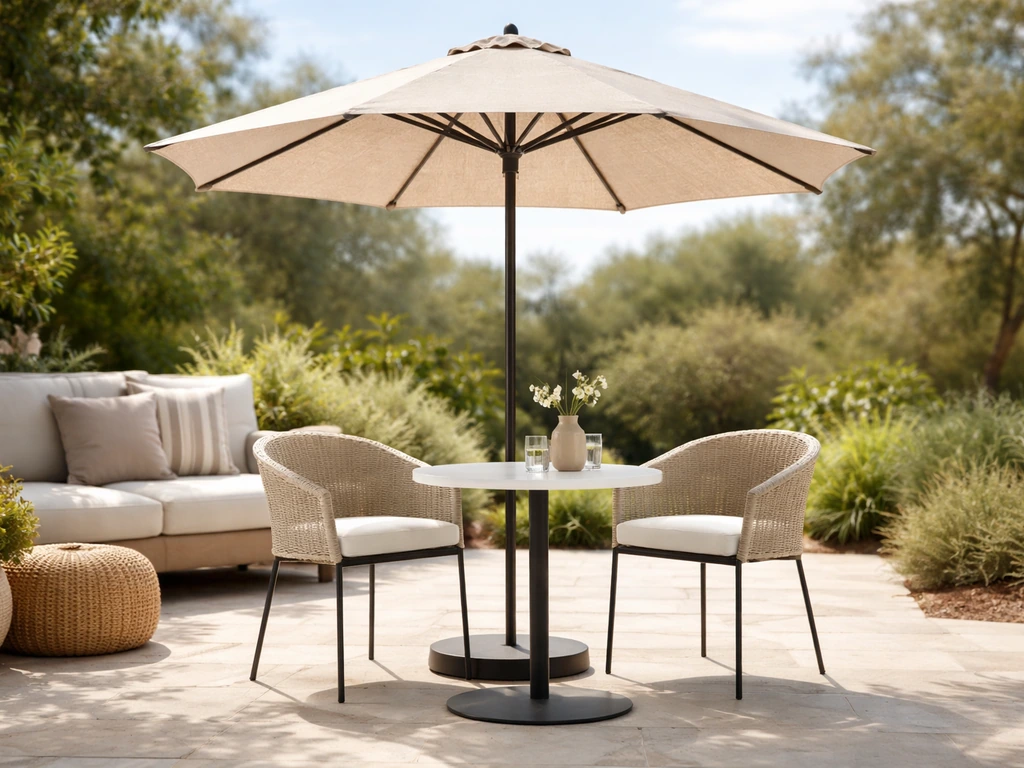
How to figure out what 'best' actually means for your space
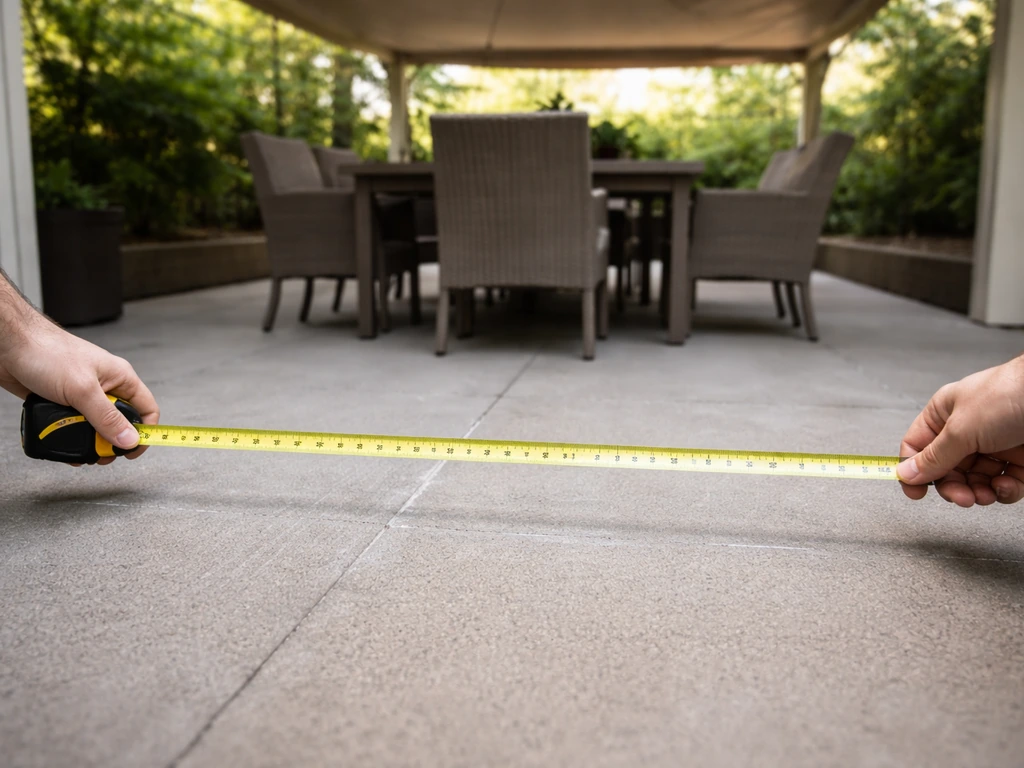
Before you look at a single product listing, take five minutes to size up your situation. Walk outside and ask yourself three things: How much ground do I need covered? Where is the sun coming from at the hours I actually use this space? And is there anything in the way of a center pole or an overhead arm? Your answers will eliminate half the market instantly.
For a standard 4-person dining set, you typically want at least 2 feet of canopy overhang on each side of the table. That means a 48-inch round table needs roughly a 9-foot umbrella minimum. A 6-person table or a wider lounging arrangement almost always calls for 11 feet or larger. You measure canopy size by opening the umbrella fully and measuring rib tip to rib tip across the widest point, which gives you the actual shade coverage, not the pole height.
Your seating layout matters too. A fixed dining arrangement pairs well with a center-pole market umbrella. A lounge setup with chairs spread out, or a sofa group where a center pole would be in everyone's way, is a better match for a cantilever or offset design. And if your patio gets regular afternoon gusts, your 'best' umbrella is one with fiberglass ribs and a heavier base, not necessarily the prettiest canopy color in the showroom.
Top choices by umbrella style
Market umbrellas: the reliable classic
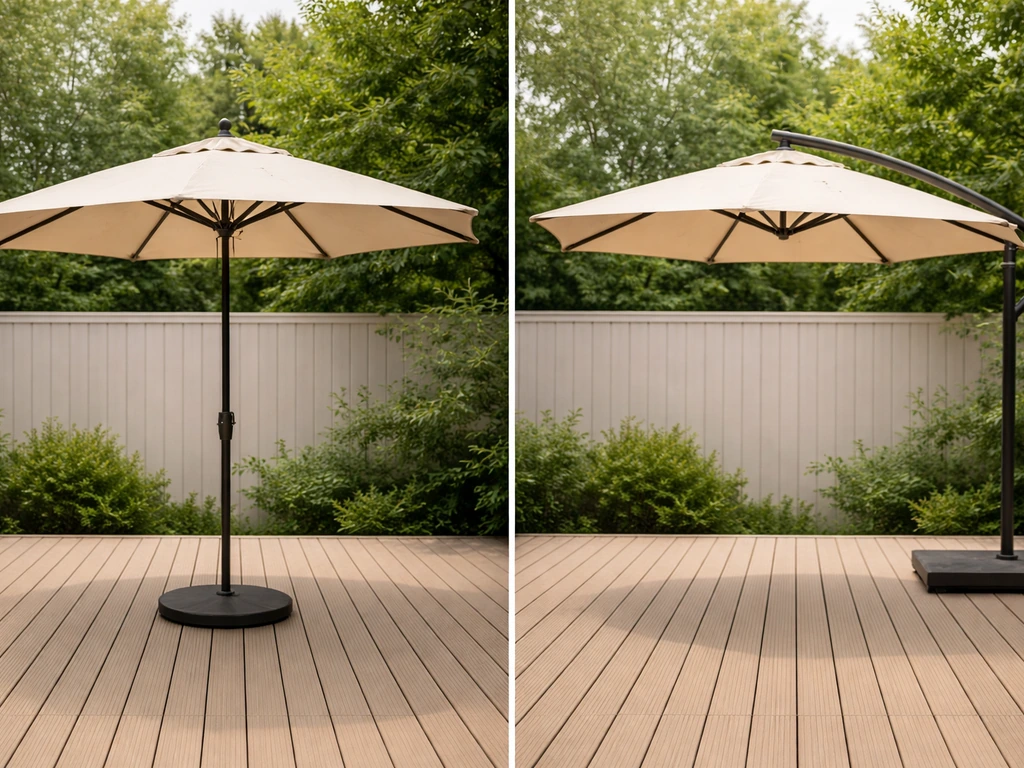
Market umbrellas are the straight-pole, center-mount style you see everywhere, and for good reason. They're the most affordable option, the easiest to find parts and covers for, and they work perfectly with any table that has a center hole. Treasure Garden is one of the most respected names in this category, offering models with detailed catalog specs including canopy open height, coverage area, and minimum base weights right in their published documentation. California Umbrella also has a strong following for mid-range buyers who want solid construction without going to commercial-grade pricing. For market umbrellas in a table, both brands emphasize that the umbrella still needs a weighted base underneath to stabilize against wind, even when it's seated in the table hole.
Cantilever and offset umbrellas: shade without the pole
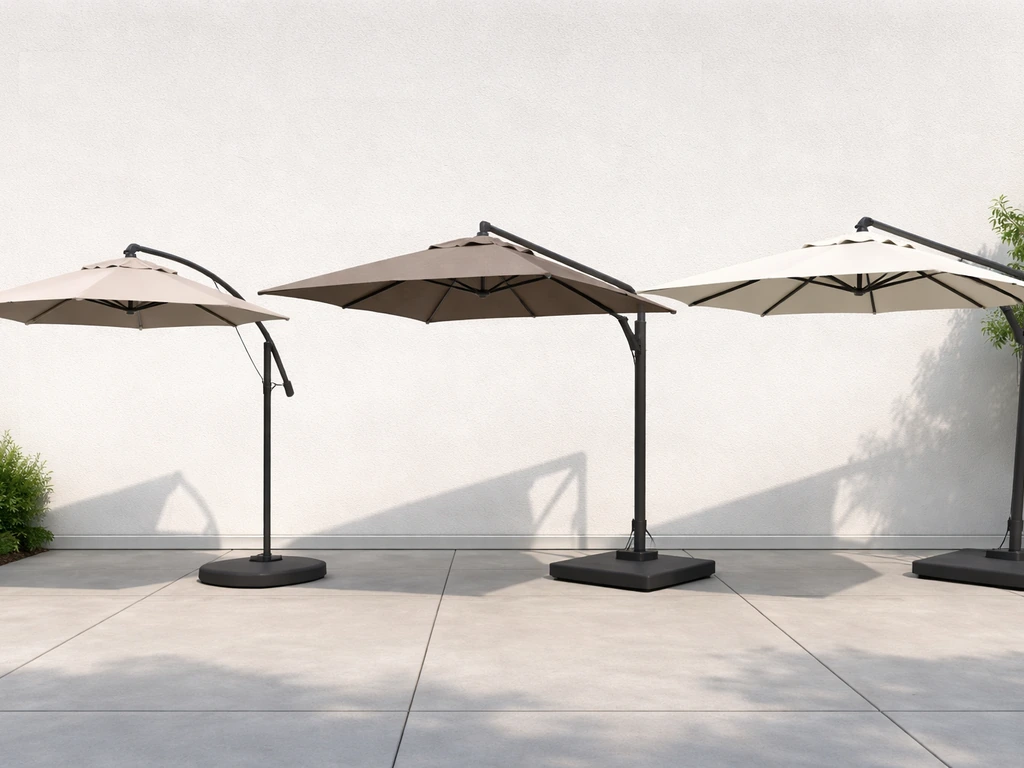
Cantilever and offset umbrellas suspend the canopy from an arm that extends out from a side post, so there's no center pole under the shade. This makes them ideal for lounge chairs, daybeds, or any setup where you want to walk freely beneath the coverage area. TUUCI's Ocean Master line is widely considered the commercial-grade benchmark here, built with marine-grade materials and documented wind-performance standards. Treasure Garden offers accessible residential cantilever options with solid build quality and clear base-weight specs. The trade-off is weight and footprint: cantilever bases need to be significantly heavier than market umbrella bases to counterbalance the offset arm, and the base hardware takes up more space on your patio.
Style comparison at a glance
| Style | Best Use | Pole in the Way? | Base Complexity | Typical Price Range |
|---|---|---|---|---|
| Market (center pole) | Dining tables with center hole | Yes, center-mounted | Simple, moderate weight | $80–$500+ |
| Cantilever / Offset | Lounge areas, daybeds, open patios | No, side-arm mount | Heavy base required | $300–$2,000+ |
| Tilting Market | Dining tables, angled sun coverage | Yes, center-mounted | Same as standard market | $100–$600+ |
Materials and build quality: what actually matters
Canopy fabric
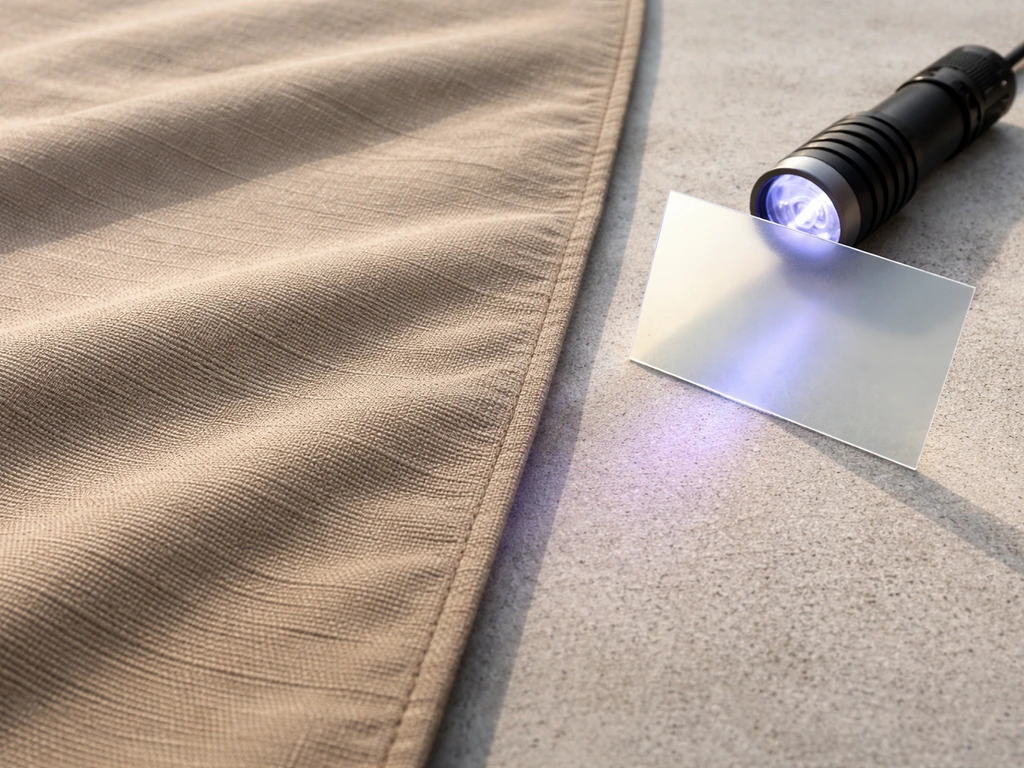
Sunbrella is the industry standard for outdoor canopy fabric, and its reputation is backed by a 5-year limited warranty that specifically covers loss of color, fading, and loss of strength. That warranty isn't just marketing language; it's a real commitment that distinguishes it from generic polyester canopies that fade in a single season. When you're evaluating any umbrella, check whether the canopy fabric is Sunbrella or a comparable solution-dyed acrylic. Solution-dyed means the color goes through the entire fiber rather than sitting on the surface, which is why fade resistance is so much better. Avoid umbrellas that simply say 'polyester' without UV treatment claims in the product documentation.
Frame and pole
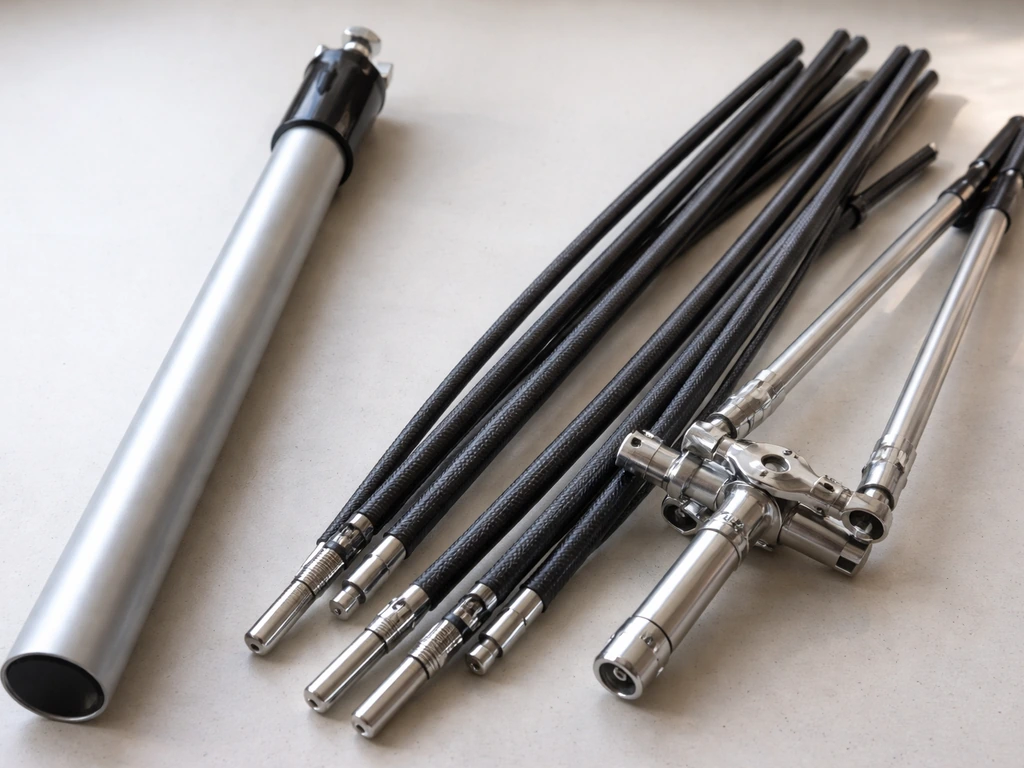
Aluminum frames are the most common choice for residential umbrellas because they don't rust, they're lightweight, and they hold up well for most climates. Steel is heavier and can rust if the coating chips, but it's more rigid, which some buyers prefer for larger cantilever arms. Powder-coated finishes on either metal will outlast painted finishes significantly. For the pole itself, diameter matters more than people realize: a thicker pole (1.5 inches or more on larger umbrellas) resists bending under wind load far better than a thin 1-inch pole dressed up in a heavy-looking canopy.
Ribs and joints
Fiberglass ribs are the upgrade that's actually worth paying for. Unlike aluminum ribs, fiberglass flexes under wind pressure rather than bending permanently or snapping. FiberBuilt specifically documents that certain fiberglass-ribbed models have passed wind testing above 50 mph, and GustBuster's LTD uses a double-canopy design with temper-hardened steel joint connectors and a reinforced shaft specifically to handle high-wind loads. These aren't just feature checkboxes: flex and joint quality are what determines whether your umbrella survives a summer storm intact or gets destroyed in a single gust.
Size, height, and coverage: getting the dimensions right
Umbrella sizing gets confusing because manufacturers list different measurements in different ways. The canopy diameter (or width for square/rectangular models) is your shade coverage number. Open height tells you how high the canopy sits above the ground when fully deployed. Brim height is the distance from the ground to the lowest edge of the canopy, which determines whether someone seated can actually sit under it without ducking. For most dining chairs, you want a brim height of at least 7 feet. For lounge chairs, you can go lower.
Treasure Garden's 2026 catalog publishes open height and coverage area values right alongside model sizes, which is exactly the kind of documentation you should expect from any brand you're seriously considering. For cantilever umbrellas, also check the arm reach: the length from the post to the center of the canopy determines how far from the base post the shade will actually land. Getting this wrong means your furniture ends up in the sun no matter how big the canopy is.
- 9-foot canopy: good for 4-person dining tables and smaller lounge groupings
- 11-foot canopy: covers 6-person tables and medium lounging areas; Treasure Garden FLEX 11-foot requires an 80-lb minimum base
- 13-foot and larger: commercial or large residential patios; cantilever arms at this size need very heavy bases (100+ lbs is common)
- Measure rib tip to rib tip when the umbrella is fully open for the true coverage number
- Check brim height separately from total height to make sure seated guests clear the canopy edge
Wind resistance, stability, and base requirements
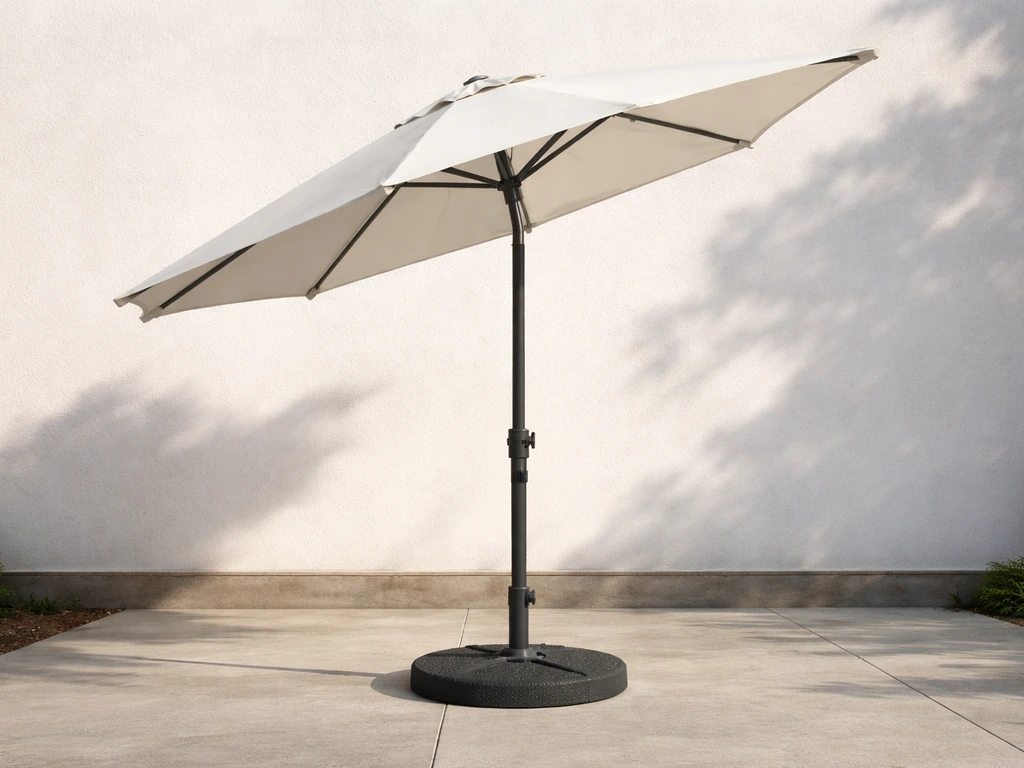
This is the section most buyers skip and then regret. Wind is the number one cause of umbrella damage and the most common reason warranties get voided. Almost every major brand, including Treasure Garden, Galtech, Abba Patio, and TUUCI, explicitly excludes wind damage from their warranties. That's not a knock on those brands; it's an honest acknowledgment that no umbrella is designed to stay open in high wind. The real question is how much wind the umbrella can handle before you need to close it, and how stable it is at the lower wind speeds you'll actually use it in.
Some product manuals set surprisingly conservative limits. One Home Depot market umbrella manual lists a maximum operating wind speed of just 5 mph, which is essentially a calm day. Premium wind-tested products like GustBuster's LTD claim performance in 55+ mph winds due to their double-canopy venting design, and TUUCI publishes specific deployment limits in their warranty documentation. The practical takeaway: always close your umbrella when you're not using it, and always close it before any wind event, regardless of what the marketing says.
Base weight is directly tied to stability. Treasure Garden's FLEX manual specifies a minimum of 50 lbs for a 9-foot model and 80 lbs for an 11-foot model. Their 2026 catalog shows that a 6.5-foot square Libra model requires at minimum 100 lbs of base weight. California Umbrella's FAQ notes that even when an umbrella is mounted through a table hole, a weighted base underneath is still required for wind stability. If you're buying a cantilever umbrella, check whether the base weight is sold separately and budget for it: a proper cantilever base with fill weights can easily add $100 to $300 to your total cost.
| Umbrella Size | Minimum Base Weight (Treasure Garden guidance) | Style |
|---|---|---|
| 7.5 ft | 50 lbs | Market (FLEX series) |
| 9 ft | 50 lbs | Market (FLEX series) |
| 11 ft | 80 lbs | Market (FLEX series) |
| 6.5 ft square | 100 lbs | Market (Libra model) |
UV protection, water resistance, and long-term durability
UPF 50+ is the rating you want for a canopy fabric, meaning the fabric blocks at least 98% of UV radiation. But don't just take a listing's word for it: verify that the product documentation or the fabric brand actually makes a UPF claim, not just 'UV resistant' language that means nothing specific. Sunbrella fabrics carry documented UPF ratings alongside their 5-year color and strength warranty, which is why they're worth the price premium over generic alternatives.
Water resistance is a different property from waterproofing. Most outdoor umbrella canopies are water-resistant, meaning they'll shed light rain and drizzle, but they're not designed to channel heavy rainfall safely. Extended exposure to standing water accelerates mold growth on fabric and rust or oxidation on hardware. A quality umbrella cover, like Treasure Garden's protective covers sized by model, extends lifespan significantly when the umbrella is stored or not in use. Rinse the canopy fabric with clean water periodically, let it dry fully before closing, and check the hub and rivet hardware at the start of each season.
Durability over time comes down to three things: fabric quality, frame coating integrity, and how well you maintain it. Solution-dyed acrylic fabrics like Sunbrella hold their color and tensile strength for years. Powder-coated aluminum frames resist chipping better than spray-painted ones. And the single biggest durability mistake most owners make is leaving the umbrella open and unattended during storms. TUUCI's Ocean Master documentation specifically instructs users to close the umbrella during wind conditions, not because the product is poorly made, but because that's how you protect a premium investment.
Buying recommendations by budget
Under $150: entry-level but usable
At this price, you're getting a basic aluminum-frame market umbrella with a polyester canopy. These work fine for occasional use in low-wind environments. Look for at least 6 ribs (8 is better), a push-button tilt mechanism, and a canopy that specifies UV treatment. Don't expect the fabric to look fresh after two or three seasons of daily sun. Pair it with at least a 50-lb base and a quality cover to get the most out of it.
$150 to $400: the practical sweet spot
This is where you start finding Sunbrella-canopied market umbrellas and mid-range cantilever options. Treasure Garden's mid-tier market umbrellas and California Umbrella's residential line both fall here and are genuinely well-made products with documented specs. At this range, expect 8 ribs, a crank-open mechanism (Treasure Garden's FLEX uses a crank to fully open), an aluminum frame with a good powder coat, and a Sunbrella or comparable solution-dyed acrylic canopy. A good 9-foot umbrella in this range paired with a solid 50-lb base is a setup that'll last 5-plus years with reasonable care.
$400 to $1,000: stepping up to premium residential
Here you're getting into larger cantilever umbrellas, fiberglass-rib upgrades, and commercial-adjacent construction. FiberBuilt's fiberglass-rib umbrellas live in this range and are worth it if you're in a wind-prone area. GustBuster's LTD with its double-canopy venting and reinforced hardware is a serious option for covered patios that get regular breezes. At this budget, expect documented wind-performance claims in the product specs rather than just marketing language, and expect the base to add cost on top of the umbrella price.
$1,000 and above: commercial-grade quality
TUUCI is the name most professionals and serious homeowners point to at this level. Their Ocean Master cantilever line uses marine-grade materials, documented deployment limits, and rigorous wind testing. At this price, you're buying a product that can realistically last a decade or more with proper care. You're also buying warranty language that's worth reading carefully: TUUCI's warranty ties coverage to maintenance and proper use conditions, which is fair but requires you to actually follow the instructions.
What to check before trusting any 'best' claim
Online reviews for patio umbrellas skew heavily toward first impressions. Someone who received a nice-looking umbrella in May rarely comes back to update their review after the August storms. When you're evaluating any product listing or review, use this checklist to separate real quality signals from packaging.
- Verify canopy fabric: look for Sunbrella or a named solution-dyed acrylic with a documented UPF 50+ rating, not just 'UV-resistant polyester'
- Check rib count and material: 8 fiberglass ribs beats 6 aluminum ribs in almost every wind-performance scenario
- Find the base weight requirement: if the listing doesn't specify a minimum base weight, contact the brand or check their manual/catalog before buying
- Read the warranty exclusions: if wind damage is excluded (and it usually is), that's normal, but confirm the warranty covers fading, fabric strength, and structural defects for at least 1-3 years
- Look for mechanism documentation: a crank-open handle or documented push-button tilt mechanism in the manual means the brand stands behind the hardware; vague 'easy open' claims do not
- Check the pole diameter for larger umbrellas: 1.5 inches minimum for 9-foot models; larger for 11-foot and above
- Confirm brim height matches your furniture: ask the seller or check the manual for the specific distance from ground to canopy edge
- For cantilever models, verify arm reach separately from canopy diameter: a wide canopy on a short arm may not shade your furniture at all
The <a data-article-id="3DF30F15-20A9-4F70-BD2D-E2E059469338"><a data-article-id="0E3B9A8D-B5AE-4EC0-BA73-28BE8E6A5848"><a data-article-id="2191FDF8-31B6-4595-8514-3CD378615B22"><a data-article-id="2191FDF8-31B6-4595-8514-3CD378615B22">best outdoor patio umbrella</a></a></a></a> is ultimately the one that covers what you need to cover, holds up to the conditions in your specific yard, and comes with documentation you can actually trust. If you're spending over $300, the brand should be able to hand you a PDF with base weight specs, fabric warranty terms, and wind-use guidance. If they can't, that's your answer. Readers who want to go deeper on specific top-performer lists, ratings-focused comparisons, or the best patio furniture and umbrella combinations will find those breakdowns covered separately across this site. If you're still narrowing down styles, these best sun umbrellas for patio options are a helpful adjacent comparison when you shop by size and wind needs. If you’re also shopping for the rest of your outdoor setup, start by comparing the best patio furniture with umbrella options for your space and budget.
FAQ
What wind speed should I actually use as my cutoff to close the umbrella?
Most brands assume you will close the umbrella during any wind event and that “operating wind speed” is the threshold for safe use with the umbrella open. If your area gets gusts, treat that number as an upper limit, not a target, and plan to close earlier (for example, when sustained winds reach the lowest published limit for your model).
Does UPF 50+ matter, or is “UV resistant” good enough?
UPF 50+ is ideal, but only counts if the product documentation states the rating for the specific fabric or fabric system you are buying. If the listing only says “UV resistant” without a UPF number, you cannot assume it blocks the same UV levels, especially after several seasons of sun exposure.
How can I tell if a “large” umbrella will really shade my dining chairs?
A bigger umbrella does not always mean better shade, because the measurable coverage depends on canopy width (or diameter) and brim height. If you sit under it, also confirm the brim height clears your seating so you do not end up with sunlight hitting your head and shoulders.
What’s the most common mistake when sizing a cantilever umbrella for a lounge setup?
If the arm on a cantilever umbrella reaches too far or not far enough, you can end up with shade that misses your main seating group. When comparing models, verify the arm reach and also where the post sits relative to your furniture, not just the canopy width.
Do I always need a separate base, and how do I avoid underbuying one?
A single umbrella without a matching base is one of the fastest ways to create instability, and the base weight requirements differ by model and umbrella type. For cantilevers, budget for the base and any fill weights if the kit requires them, since the base can cost as much as the umbrella.
Should I cover the umbrella only in rain or also when it is sunny but not in use?
For storage and longevity, use a cover whenever the umbrella is not in active use, not only during storms. Make sure the canopy is fully dry before covering, since trapped moisture accelerates mildew and can damage hardware at the hub.
How do I measure canopy size correctly for square or rectangular patio umbrellas?
Square and rectangular umbrellas have width and length measurements that do not translate directly from round “diameter” comparisons. Compare the stated canopy width and coverage dimensions for your exact table shape, then confirm the overhang margin on both sides.
Are more ribs always better for wind resistance?
Don’t rely on rib count alone. The real differences come from rib material (fiberglass versus aluminum) and joint construction, because wind forces concentrate at the joints. Two umbrellas can both claim “many ribs,” but the one with better flex and reinforced connectors is more likely to survive gusts.
If my umbrella mounts through a table hole, do I still need a heavy base?
If you have a center hole table, market umbrellas are the simplest fit, but you still need a proper table-compatible setup and stability strategy. For any setup where the umbrella is exposed to wind, read whether the brand requires a weighted base underneath even when mounted in the table.
Why does some umbrella fabric look great at first but fade quickly?
If the canopy material is generic polyester without a solution-dyed or equivalent fade-resistant specification, color loss and brittleness typically show up sooner in strong sun. Look for documentation that names the fabric system (for example, solution-dyed acrylic or a branded fabric with a warranty) instead of vague “fade resistant” claims.
How can I tell if an umbrella will be easy to repair later?
Repairability matters. Premium brands tend to publish parts support and provide documentation that helps you identify correct components, while some lower-end units are harder to service when hubs, tilt mechanisms, or joints fail. Before buying, check whether the product listing or manual includes replacement part availability for common failure points.