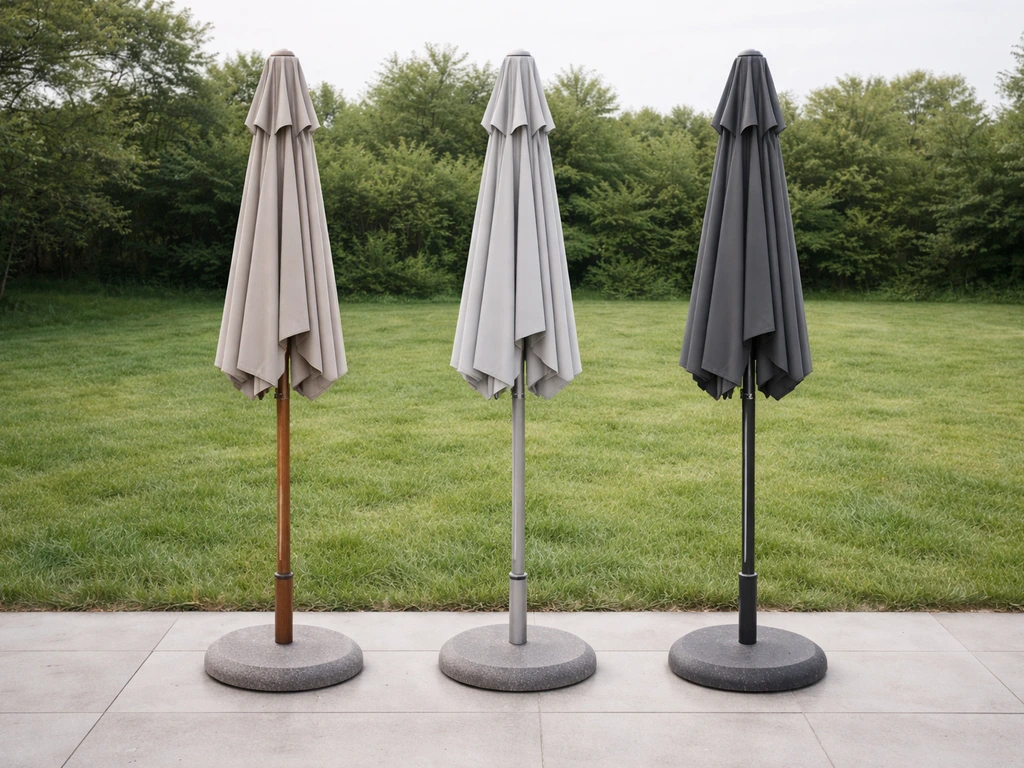
For most homeowners, aluminum is the better patio umbrella frame material. It resists rust and rot, needs almost no maintenance beyond occasional rinsing, and holds up season after season in rain, humidity, and sun. Wood, especially teak, looks beautiful and has genuine outdoor durability, but it demands regular oiling (two to four times a year if you want to keep that warm golden color) and will slowly develop surface cracks and a silver-gray patina if you let it weather naturally. Steel sits between the two on cost but carries real rust risk once its coating chips, which makes it the hardest choice to recommend for long-term outdoor use. That said, the right pick depends on your climate, your willingness to do maintenance, and what you value in your outdoor space. Here is how each material actually performs. For anyone shopping around for the best patio umbrella material, prioritizing a rust-resistant frame like aluminum can make the biggest difference.
Patio Umbrella Wood vs Aluminum vs Steel: Which Lasts Longer?

Why frame material matters more than you might think
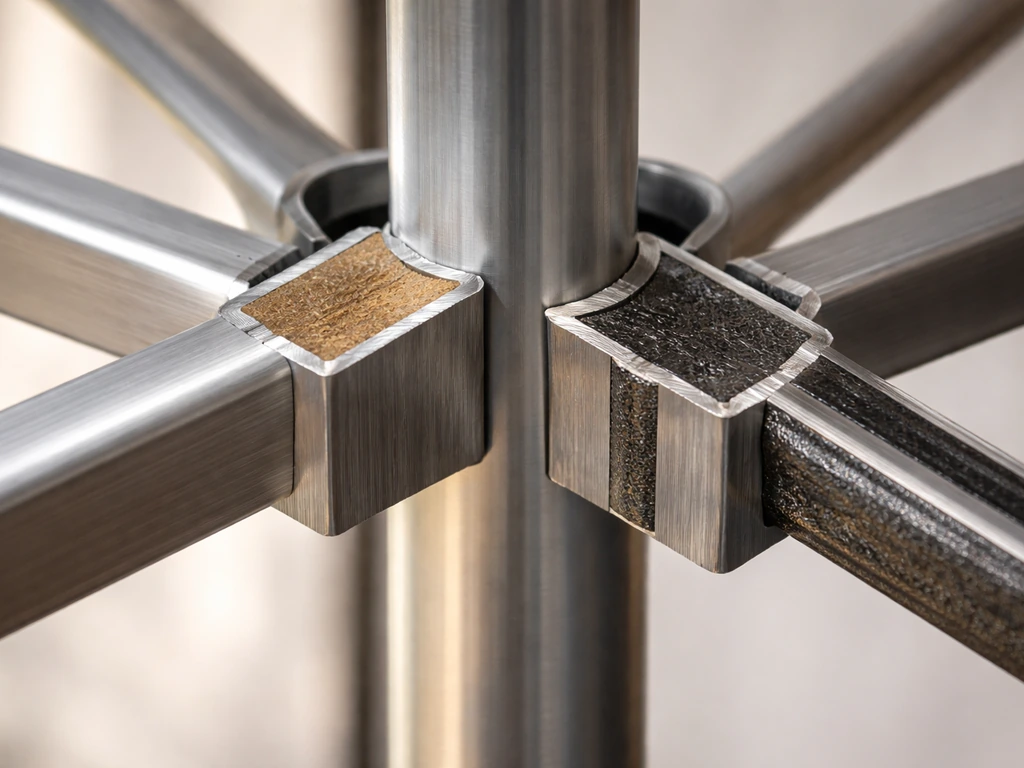
The canopy fabric gets all the attention, but the frame is what keeps a patio umbrella standing for years instead of failing after one bad season. The pole and rib material determines how the umbrella handles wind gusts, how much the whole structure wobbles on a breezy afternoon, whether it corrodes at the joints over winter, and how much work you are doing every spring to get it back into shape. A canopy made from quality fabric is replaceable; a frame that has rusted through its joints or warped at the pole is essentially the end of the umbrella. So choosing between wood, aluminum, and steel upfront is one of the most important buying decisions you can make.
Frame material also directly affects base requirements and overall stability. A heavier frame shifts the center of gravity, which changes how much base weight you actually need. A stiffer, lighter frame resists wind wobble differently than a heavier one. These are real engineering differences that show up in everyday use, not just on spec sheets.
Aluminum vs. wood: durability, weathering, and maintenance
Aluminum is the dominant frame material for good reason. A quality powder-coated or anodized aluminum pole and rib set will not rust, will not rot, and is unlikely to snap or crack even in bad weather. PatioLiving describes aluminum frames as 'very unlikely to break or snap no matter the weather conditions,' and that tracks with real-world experience. Powder-coated and anodized finishes both create a protective barrier against corrosion, and day-to-day maintenance is simple: rinse it with clean water, towel-dry it to prevent water spots, and clean it with mild dish soap if something gets on it. Touch up any chips or scratches with matching touch-up paint before moisture can get underneath the coating. That is genuinely most of what aluminum needs.
Wood umbrellas, particularly those built from teak, are a different story. Teak is dense, naturally oily, and genuinely built for outdoor exposure, which is why it has been used in boat decks and outdoor furniture for centuries. But 'outdoor durable' does not mean 'zero maintenance.' Left untreated, teak develops a silver-gray patina as sun, rain, and air do their work. Small surface cracks called checking appear as the wood moves with humidity and temperature. Both are cosmetic rather than structural, but they bother a lot of homeowners who paid a premium for a beautiful warm-toned pole. To keep that golden color, plan on oiling the wood two to four times a year, depending on your climate and sun exposure. A realistic minimum for most climates is every six to twelve months. One pitfall to avoid: over-oiling. Layering on too much teak oil can leave sticky residue that attracts dirt and actually looks worse than the natural patina would.
When it comes to how long each material lasts, aluminum has a clear advantage. One buying guide puts it bluntly: a quality aluminum frame may last four to five times longer than a wood frame under comparable outdoor conditions when you factor in rot risk, joint failure, and structural degradation. DFOhome’s patio umbrella buying guide similarly notes that aluminum frames may last 4 to 5 times longer than aluminum or wood because they are unlikely to rust or rot four to five times longer than a wood frame. For a patio upgrade, it helps to look for the best fiberglass patio umbrella, since the right material choices make a big difference in how well it holds up over time. Wood can absolutely last many years with proper care, but the margin for neglect is much smaller. Skip a season of maintenance on a wood umbrella pole and you may deal with serious weathering damage. Skip a season on aluminum and you mostly just need a good rinse.
| Category | Aluminum | Wood (Teak) |
|---|---|---|
| Rust/rot risk | None (with powder coat or anodizing) | Low rot risk with teak; surface checking possible |
| Maintenance frequency | Minimal — rinse and inspect annually | Oil 2–4x/year to preserve color; less if you allow patina |
| Typical lifespan | Very long — 10+ years realistic | Many years with consistent care; shorter if neglected |
| Weight | Light to moderate | Heavier, especially larger poles |
| Aesthetic | Clean, modern, wide color range | Warm, natural, premium look |
| Cost | Budget to premium | Mid to premium (teak especially) |
| Best climate | Any — especially humid/coastal | Drier climates or well-maintained setups |
Aluminum vs. steel: strength, rust risk, and longevity
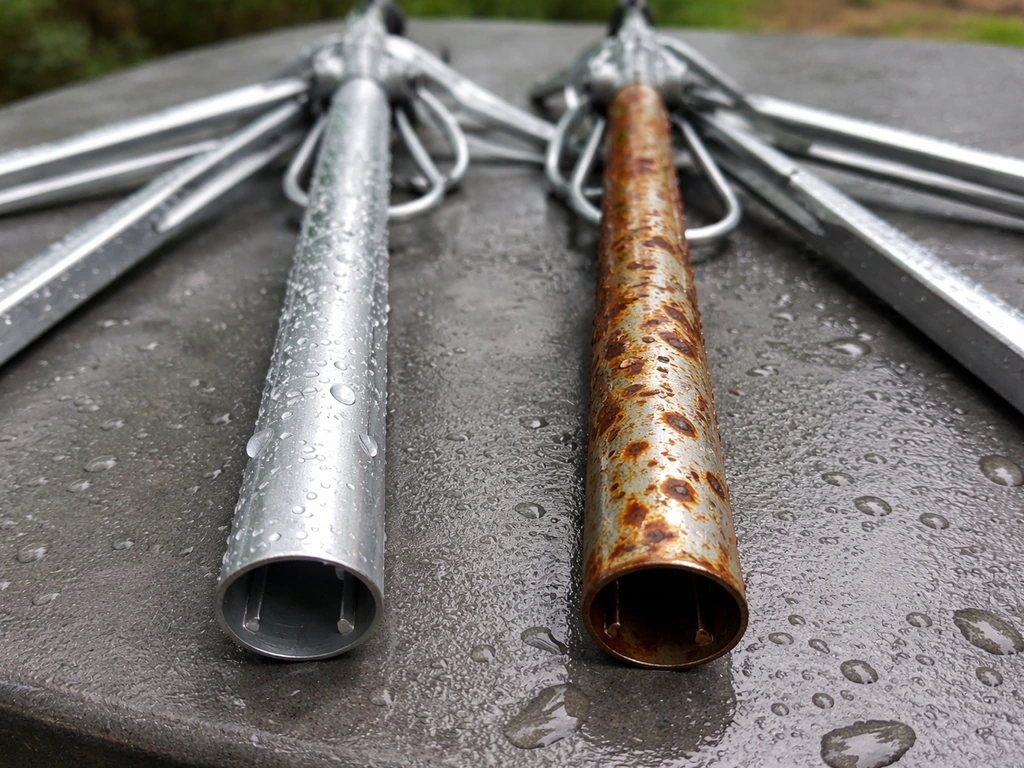
Steel comes up a lot in umbrella shopping because it is used in many budget and mid-range frames, and it sounds reassuringly strong. Steel is strong, but raw strength is not the whole story outdoors. The real issue is corrosion. Bare steel in outdoor conditions will rust. The protective finish (usually powder coating) is all that stands between your frame and oxidation, and once that coating chips or scratches, rust begins. Home Depot's care documentation literally describes 'rust water' coming from steel tubular frames as a known failure mode when coating breaks down. Warranty documents from major retailers explicitly flag rust spotting as an expected issue over time for steel frames, which tells you something about how confident manufacturers actually are in steel's long-term corrosion resistance.
Aluminum, by contrast, does not rust. It can oxidize, showing up as a white powdery residue in pitted areas if the protective system is compromised, but this is a slower and less structurally damaging process than rust. Powder-coated and anodized aluminum frames are specifically designed so that oxidation does not happen under normal outdoor conditions. If your aluminum frame does start showing oxidation, surface cleaning handles early-stage cases, and severe cases can be refinished by sandblasting and re-powder coating.
So why does anyone choose steel? Mostly cost and perceived sturdiness. Steel frames can be heavier gauge at a lower price point, which some buyers interpret as better quality. For a covered patio in a dry climate where the umbrella rarely gets wet, a well-coated steel frame can perform decently. But for any situation involving regular rain, humidity, coastal salt air, or winter storage outdoors, aluminum is a much safer long-term bet. Galvanized steel adds zinc coating protection but that zinc layer eventually corrodes too, extending the timeline without eliminating the problem. If you are weighing steel against aluminum specifically, that comparison deserves a close look, especially considering that finish quality and gauge thickness matter as much as the base material. If you are comparing fiberglass vs aluminum patio umbrella frames, aluminum is usually the better choice for long-term outdoor performance and corrosion resistance.
| Category | Aluminum | Steel |
|---|---|---|
| Rust risk | None (powder coat/anodized) | High once coating chips or scratches |
| Corrosion type | White oxidation (slow, surface-level) | Red/brown rust (faster, structurally damaging) |
| Weight | Lighter | Heavier |
| Strength | High strength-to-weight ratio | Higher raw strength, lower ratio |
| Maintenance | Low | Moderate to high (monitor and touch up coating) |
| Coastal/humid climates | Excellent choice | Poor to fair — rust accelerates |
| Budget | Mid to premium | Budget to mid |
| Long-term value | Strong | Weaker unless finish is maintained |
Wind stability and base requirements by material
Frame material affects wind performance in two ways: structural rigidity and weight. Aluminum has an excellent strength-to-weight ratio, and heavy-gauge aluminum poles (look for specs like a 1.5-inch diameter pole) resist bending and wobbling even in moderate gusts. Because aluminum is lighter than steel, it places less demand on the base but still requires a proper setup. Wood poles, especially thicker teak, can be quite heavy, which adds some inertia to the system but also means a top-heavy setup if the base is undersized.
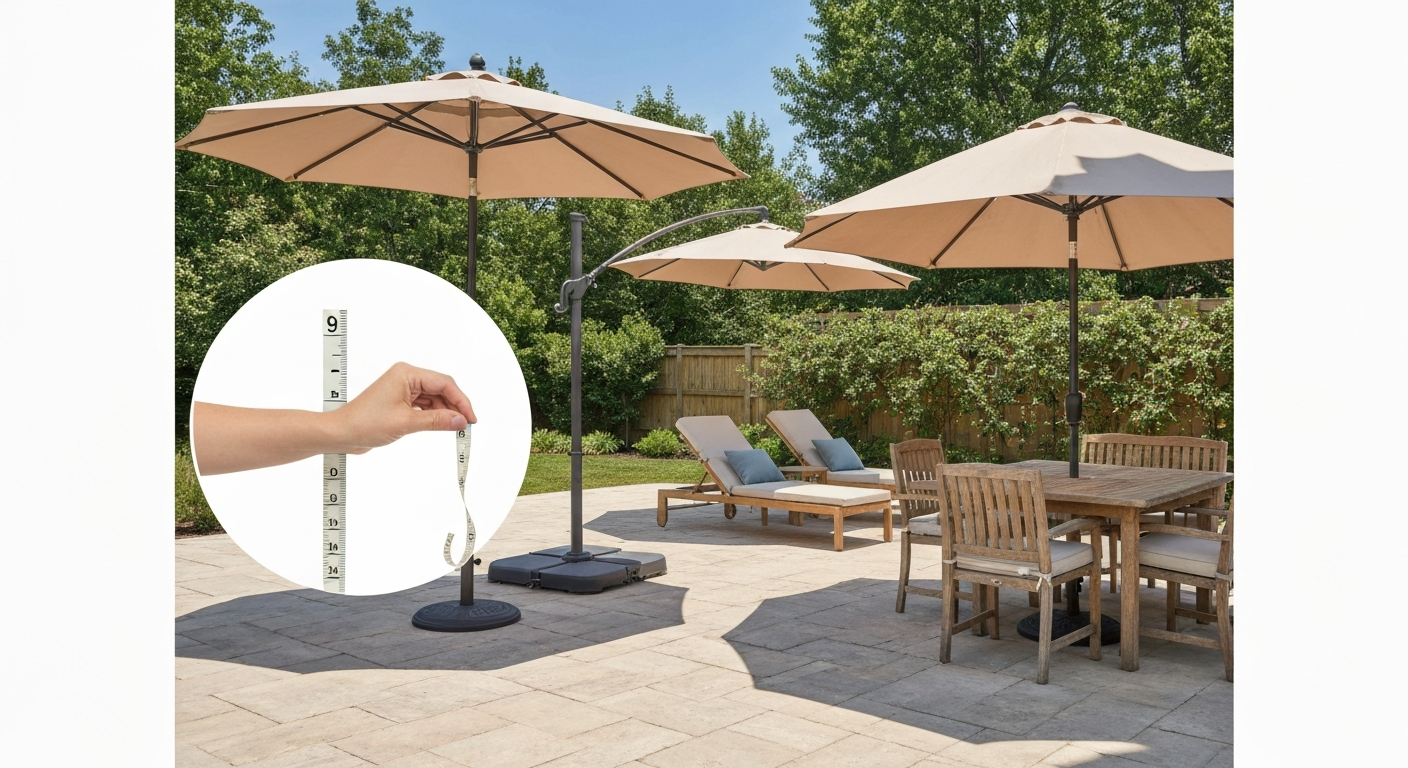
Base weight requirements are primarily driven by umbrella size, not frame material, but your local wind conditions adjust everything upward. The standard rule of thumb: blank" rel="noopener noreferrer">a 9-foot umbrella needs roughly a 90-pound base, and an 11-foot umbrella needs at least 110 to 120 pounds. If you are in a consistently windy area, add about 40 percent to those numbers. That means a 9-foot umbrella in a windy spot needs a base closer to 125 pounds, and anchoring into the ground or a deck mount is worth considering. The CPSC specifically recommends securing umbrellas against tip-over, and this is one safety step that applies regardless of what material your frame is made from.
One practical note: steel frames are heavier than aluminum at comparable sizes, which means a steel-framed umbrella shifts more weight to the top of the system. If you are deciding is steel or aluminum better for a patio umbrella, this weight difference is one of the reasons aluminum often performs more predictably in breezy areas. In windy conditions, that extra lever arm can actually make a steel umbrella less stable than a comparable aluminum one if the base is not sized up accordingly. Heavier is not always more stable when the weight is all in the pole and canopy.
UV and finish aging: what happens after a few seasons
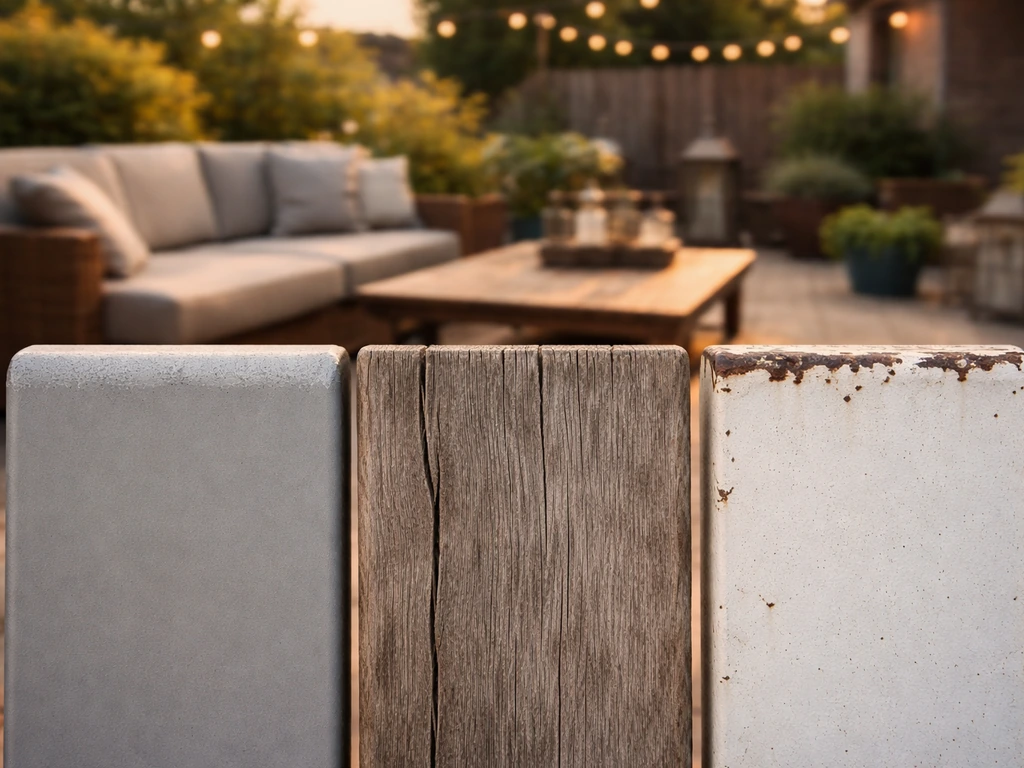
All three materials age visibly outdoors, but they age differently. Aluminum with a quality powder-coat finish holds its color well for years. UV exposure and condensation cycles can eventually break down the coating if it is a lower-quality application, but a properly finished aluminum frame will not fade dramatically in the first several seasons. Anodized aluminum handles UV somewhat differently than powder-coated aluminum, but both are designed for outdoor exposure. The weak point for any coated aluminum is mechanical damage: a chip or scratch left unaddressed is where UV-accelerated corrosion can start.
Steel with a powder-coat finish ages less gracefully. Powder-coated steel is harder than standard paint and resists chipping in normal use, but steel's problem is that the stakes are higher when chipping does happen. Where aluminum oxidizes slowly and somewhat tolerantly, steel rusts aggressively once water and oxygen reach bare metal. Coating failure on steel is a much more consequential event than on aluminum.
Wood ages the most visibly of the three. Teak in particular shifts from its warm golden-brown to a silver-gray patina over the first one to two seasons of outdoor exposure. Small surface checks (fine cracks) appear as the wood expands and contracts with moisture and temperature. These are normal and cosmetic, not a sign of structural failure. If you like the silver patina, you can simply let it weather and do minimal maintenance. If you want to preserve the original color, consistent oiling keeps the wood looking close to new. High-pressure washing is a maintenance mistake to avoid with wood: it can damage wood fibers and cause uneven weathering patterns.
How to choose: matching material to your climate and priorities
There is no single right answer, but there are clear patterns based on what matters most to you.
- Choose aluminum if you want maximum durability with minimum maintenance, live in a humid, rainy, or coastal environment, or plan to leave the umbrella out through multiple seasons. Powder-coated or anodized aluminum handles almost any climate well and requires almost no ongoing work beyond basic cleaning.
- Choose wood (teak) if the aesthetic is a priority and you are willing to do the maintenance. A teak umbrella pole looks genuinely premium and handles outdoor conditions well when cared for. This is a better fit for drier climates or covered patios where the pole is not soaked repeatedly. Budget time and money for regular oiling if you want to preserve the color.
- Choose steel only if budget is the driving constraint and you are in a dry climate with a covered patio setup. Make sure any steel frame has a quality powder-coat finish, inspect it regularly for chips, and touch up any damage immediately. Avoid steel in coastal areas or anywhere with consistent humidity and rain.
- If you are comparing aluminum to fiberglass rather than steel or wood, that is a separate conversation worth exploring — fiberglass has its own wind-flex and UV characteristics that make it a legitimate option for certain setups.
What to check before you buy
Once you have settled on a material direction, dig into the actual specs before you commit. Olefin vs polyester patio umbrellas is often about matching the fabric’s weather resistance and fade resistance to your climate. Frame construction and finish quality vary enormously within the same material category, and a cheap aluminum frame with a thin powder coat will not perform like a heavy-gauge one with a proper finish.
- Pole diameter and gauge: For aluminum, look for a minimum 1.5-inch pole diameter on 9-foot and larger umbrellas. Heavy-gauge aluminum resists bending in wind far better than a thin-walled pole. Spec sheets should list this; if they do not, that is a red flag.
- Finish type: Powder-coated or anodized aluminum are both good. For steel, verify the powder coat is present and ask about thickness if you can. A thin decorative coat on steel will not last long outdoors.
- Hardware quality: The joints, tilting mechanism, and pole collar hardware are where frames fail first. Look for stainless steel or corrosion-resistant hardware at these points, even on aluminum frames. Some umbrella bases include stainless collar parts specifically because that is where corrosion pressure concentrates.
- Warranty terms: Read carefully. Many warranties distinguish between structural failure and finish/rust issues, and rust coverage on steel frames is often limited to one or two years. If a warranty explicitly calls out rust spotting as an expected outcome, that is telling you something about long-term expectations.
- Base compatibility: Confirm the pole diameter fits your existing base, and verify your base weight is appropriate for the umbrella size and your wind conditions. For a 9-foot umbrella in a standard location, start at 90 pounds. Add weight in exposed or windy settings.
- Coating chips policy: Before buying, understand whether touch-up paint is available for your specific finish color. For aluminum, POLYWOOD and most quality manufacturers sell matched touch-up paint. For wood, know what oil or sealant the manufacturer recommends so you are not guessing on your first maintenance cycle.
Caring for each material once you own it
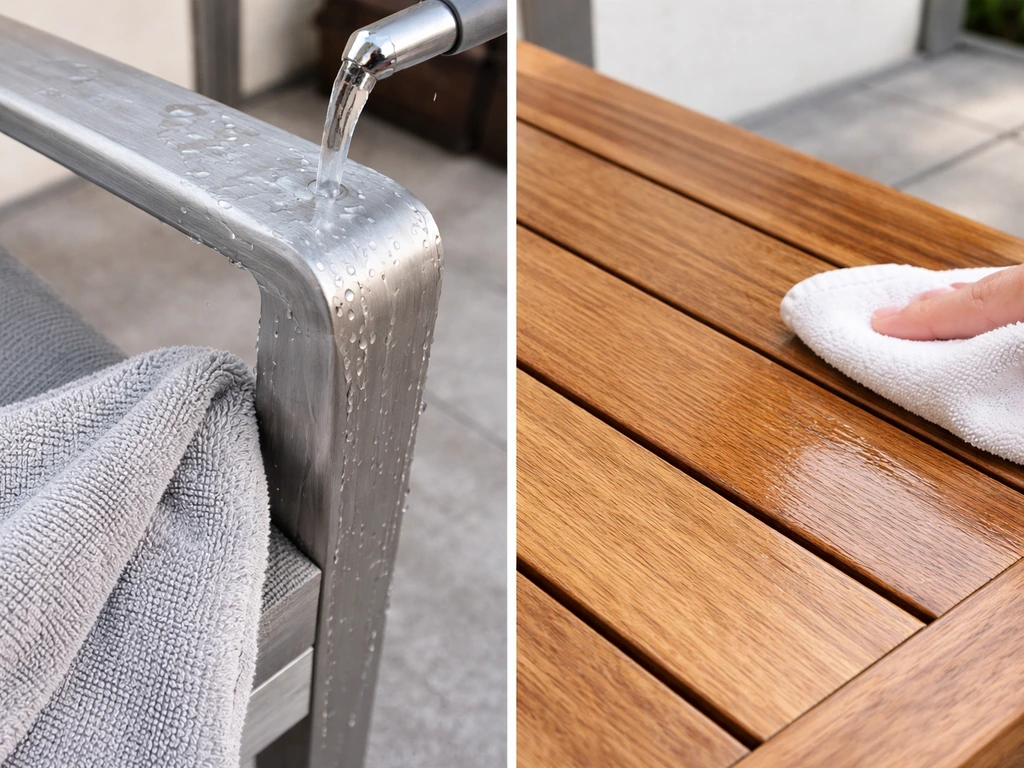
For aluminum: rinse with clean water after rain or pollen season, towel-dry to prevent mineral deposits, clean with mild dish soap and a soft cloth for grime, and touch up any chips promptly. Avoid abrasive pads, power washers, and strong solvents, all of which can dull or damage powder-coated finishes. If you see white powdery oxidation appearing in pitted areas, clean it off early before it progresses to the point of needing professional refinishing.
For wood: apply teak oil or your manufacturer's recommended finish every six to twelve months at minimum, and two to four times a year if you are actively preserving color. Use a soft brush or cloth, not a power washer. Let the wood dry completely between applications and do not layer on more oil than the wood can absorb. If the frame develops a patina you actually like, you can maintain it with occasional cleaning rather than oiling and let the silver color develop naturally.
For steel: inspect the powder-coat finish at the start and end of every season. Touch up any chips or scratches immediately with matched paint. Store steel-framed umbrellas covered or indoors during wet seasons when possible. If rust spots appear, address them early: light rust can be sanded back and re-coated, but once rust has penetrated into the metal at structural joints, repair becomes difficult. Do not ignore rust water staining on surfaces near the frame, as that is a sign the coating has already failed somewhere.
FAQ
Which material is best if the umbrella will sit outside all winter (no covering)?
If your patio umbrella will stay out year-round in a damp or coastal area, aluminum is the safer default. Wood can last a long time in covered, drier conditions but it becomes maintenance-heavy outdoors, and steel becomes a recurring corrosion project once the coating chips, especially at joints and welds.
What’s the biggest mistake that actually reduces aluminum frame lifespan?
For aluminum, focus on preventing small coating injuries. The fastest way to shorten life is letting a chip or scratch sit for months, then cleaning with abrasives or solvents that dull the finish. If you touch up chips promptly (before rain cycles), aluminum keeps its “low maintenance” advantage.
How does wood perform in freeze-thaw climates compared with aluminum?
Wood’s most common failure mode is not sudden breakage, it is long-term checking plus finish neglect. If you like the silver-gray look you can oil less, but in sunny, freeze-thaw, or windy climates you will usually need more frequent oiling to limit deeper surface cracking.
Does aluminum make a patio umbrella more stable in wind, or is it all about the base?
If your base is undersized, material choice matters less than stability math, but it still shows up in wobble. Aluminum’s lower weight can be a plus because it does not over-torque a weak base, while heavier wood and steel can become top-heavy if the base is not scaled up for your umbrella size and wind exposure.
Can a “cheap aluminum” frame fail sooner, and how can I spot it?
Yes, powder-coat quality can swing the outcome, even within the same “material” label. A thin or poorly applied powder coat on aluminum is more likely to chip and expose metal, while a thick, well-prepped coat (plus tight joint coverage) improves longevity. Always inspect coating uniformity and how it finishes into the joints.
When is steel actually a reasonable alternative to aluminum?
Steel can be acceptable only when the umbrella is kept dry most of the time, the coating remains intact, and you actively inspect. If you store it outdoors during rain seasons or see rust staining early, aluminum usually outperforms steel by reducing the chance that small damage turns into structural degradation.
What cleaning methods should I avoid for each frame material?
Avoid high-pressure washing on wood because it can raise fibers and drive uneven wear. For aluminum, avoid power washers too, not because aluminum rots, but because high-pressure cleaning can erode the finish at edges. For both, use a soft cloth, mild soap, and rinse after storms.
What should I do if my aluminum frame starts showing white powdery oxidation?
On aluminum, oxidation appearing as white powder in pitted areas is an early warning that water reached compromised coating. Clean it off promptly, then address the damaged spot with the correct touch-up approach, since lingering corrosion risk is highest at exposed edges and near fasteners.
How do I avoid over-oiling teak so it doesn’t look worse?
For wood, over-oiling is a common cause of sticky residue that traps dirt and accelerates messy-looking weathering. A practical rule is to apply only to the point of absorption, wipe off excess, and stop increasing layers if the surface stays tacky after drying.
How should I size the base differently for larger umbrellas or windy locations?
Base sizing is driven mainly by umbrella diameter, but wind can change the requirement a lot. Use the typical rule of thumb as a starting point, then increase base weight further if you regularly see strong gusts, especially with larger umbrellas, and ensure the umbrella is secured if you have a tipping risk.
How can I tell if rust on a steel umbrella is a cosmetic issue or a structural risk?
Steel rust that appears around joints or welds is more urgent than surface spotting, because those areas are where structural integrity is most at risk. If you see “rust water” staining near the frame, assume the coating has failed beneath the surface and plan for earlier repair rather than waiting until end of season.
Is refinishing aluminum ever worth it, or should I replace the umbrella?
If you’re considering refinishing aluminum, it is usually worth it only when coating damage is localized and you can prep and recoat properly. If the frame has widespread mechanical damage, a full replacement can be more cost-effective than repeated spot touch-ups.