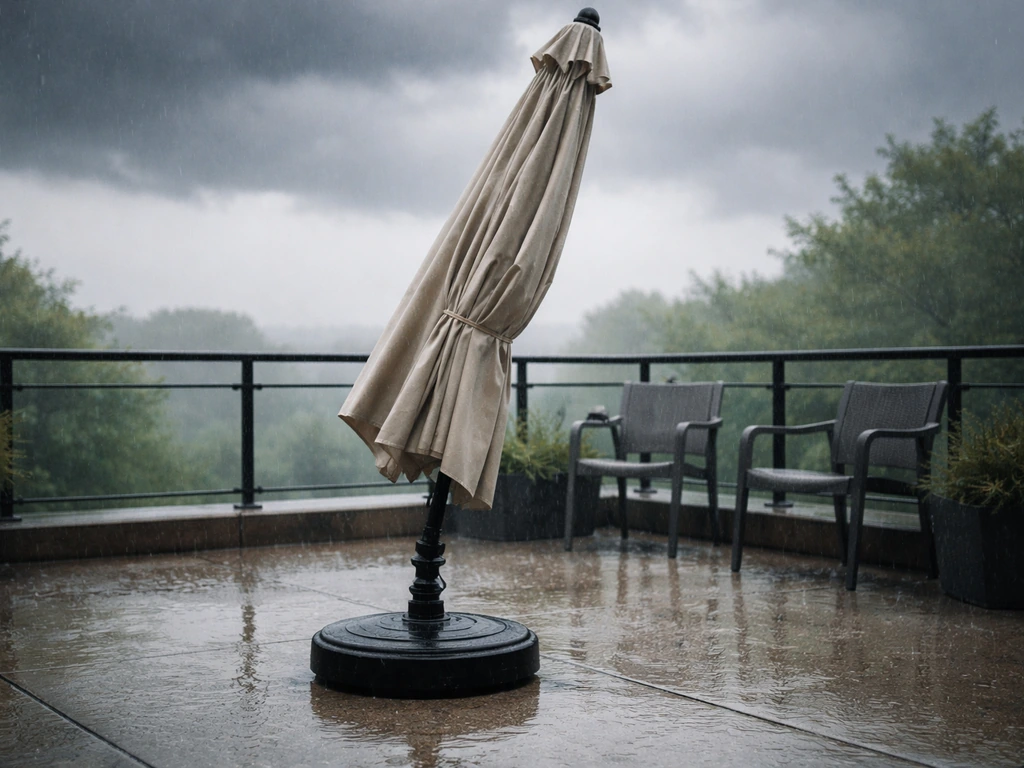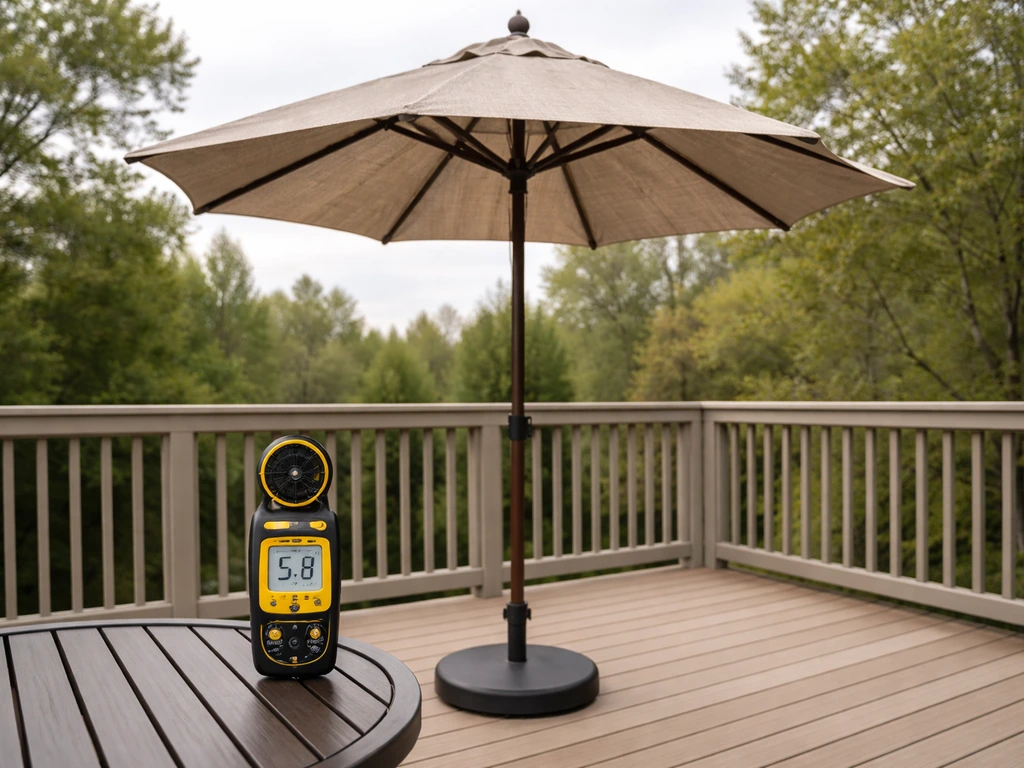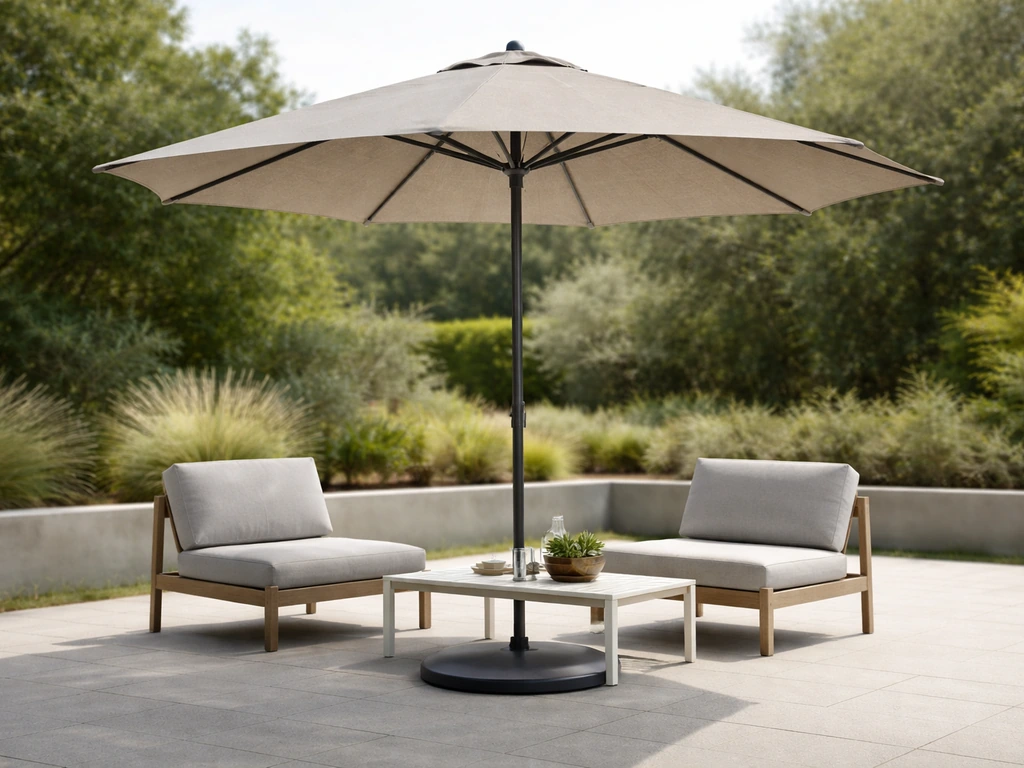
A patio umbrella becomes wind-resistant through a combination of four things working together: a sturdy, well-engineered frame, a canopy with proper venting, a heavy enough base for the umbrella's size, and smart anchoring to your specific patio setup. No single feature does it alone. And to be clear upfront: no consumer patio umbrella is built to survive a storm. Every major manufacturer, from California Umbrella to Ratana, explicitly warns that wind damage is excluded from warranties, and some instruction sheets say outright not to use the umbrella in winds above 5 mph. Wind-resistant means the umbrella handles everyday breezes and moderate gusts without tipping, spinning, or inverting. If you need the best patio umbrella for wind in Canada, focus on wind-rated construction plus a heavy, properly sized base for your specific setup. It doesn't mean storm-proof.
What Makes a Patio Umbrella Wind-Resistant: Key Features and Base Guide

How wind actually damages patio umbrellas
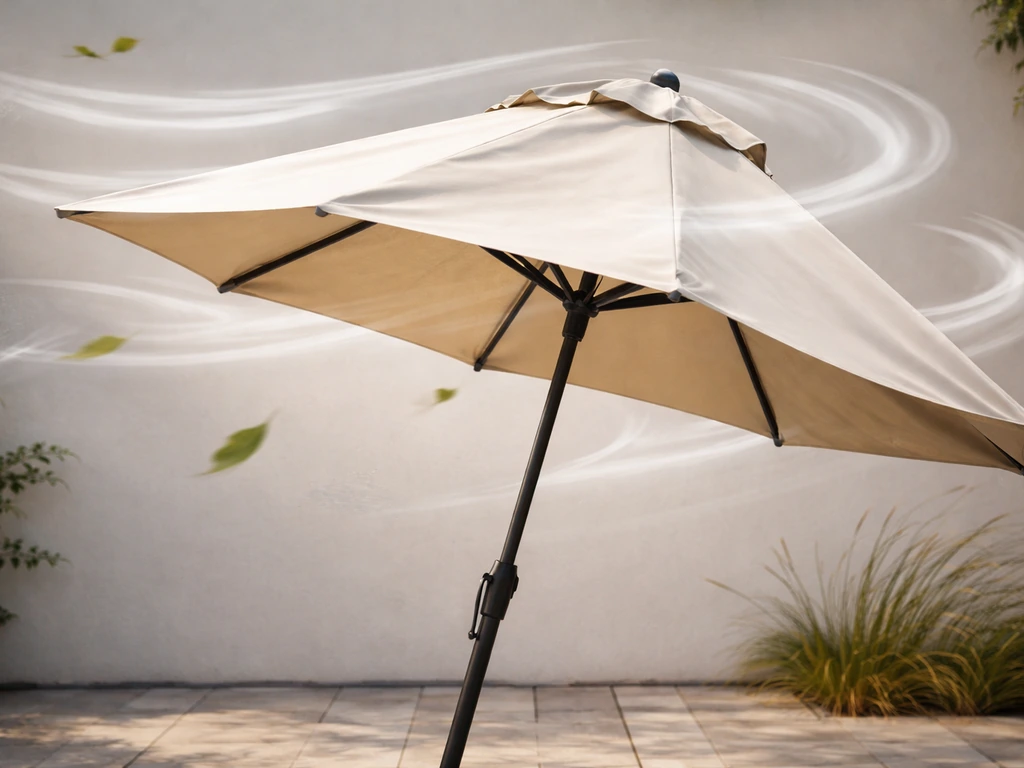
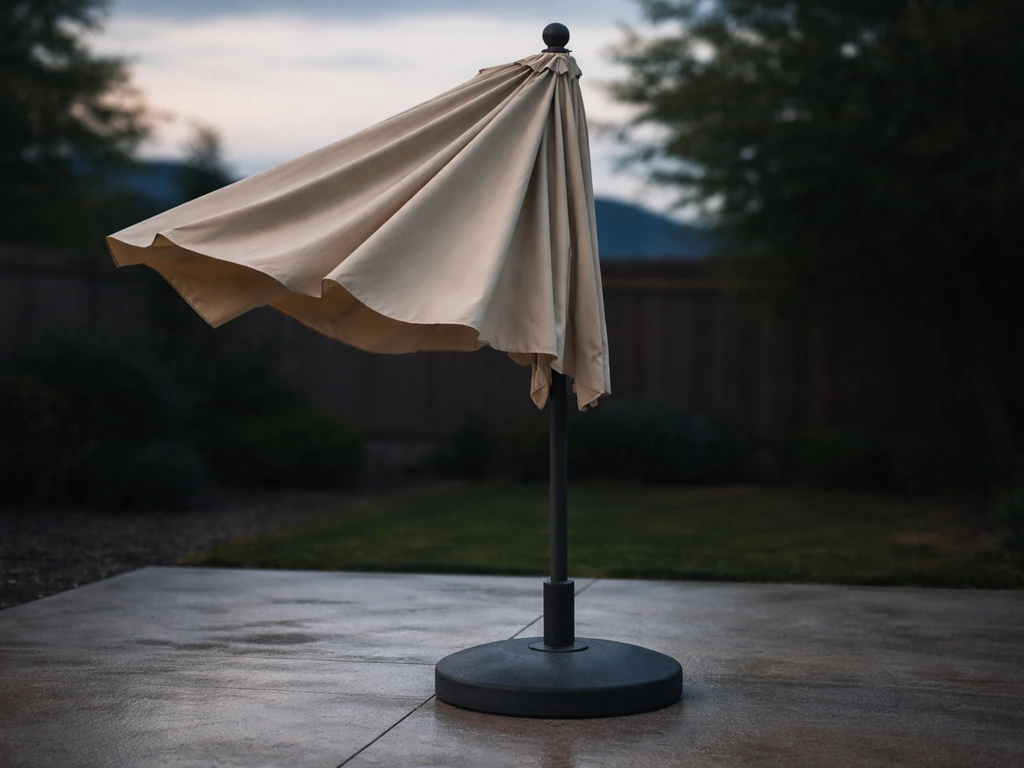
Wind hits a patio umbrella in two main ways: lift and lateral force. Lift is the upward force that wants to pull the canopy off the pole, like a sail catching air from below. Lateral force is the sideways push that rocks the entire umbrella and tries to tip the base. A third problem is twist: the canopy spinning around the pole when wind hits unevenly. Understanding these three forces helps you see why each design feature matters.
Most consumer umbrellas are rated to handle something in the Beaufort 3 to 5 range, which corresponds roughly to 8 to 24 mph winds. Beaufort 5 (around 19 to 24 mph) is described as small trees beginning to sway and is about the upper practical limit for a properly set-up market umbrella outdoors. Some commercial-grade models claim Beaufort 6, which is around 25 to 31 mph. If you live somewhere consistently windy, or you're on an exposed balcony or rooftop, understanding your local wind conditions before buying matters more than any product claim. If you are shopping in Canada, you will also want to compare models that are specifically rated for the kinds of wind and outdoor conditions you get there.
Design features that reduce lift, wobble, and spin
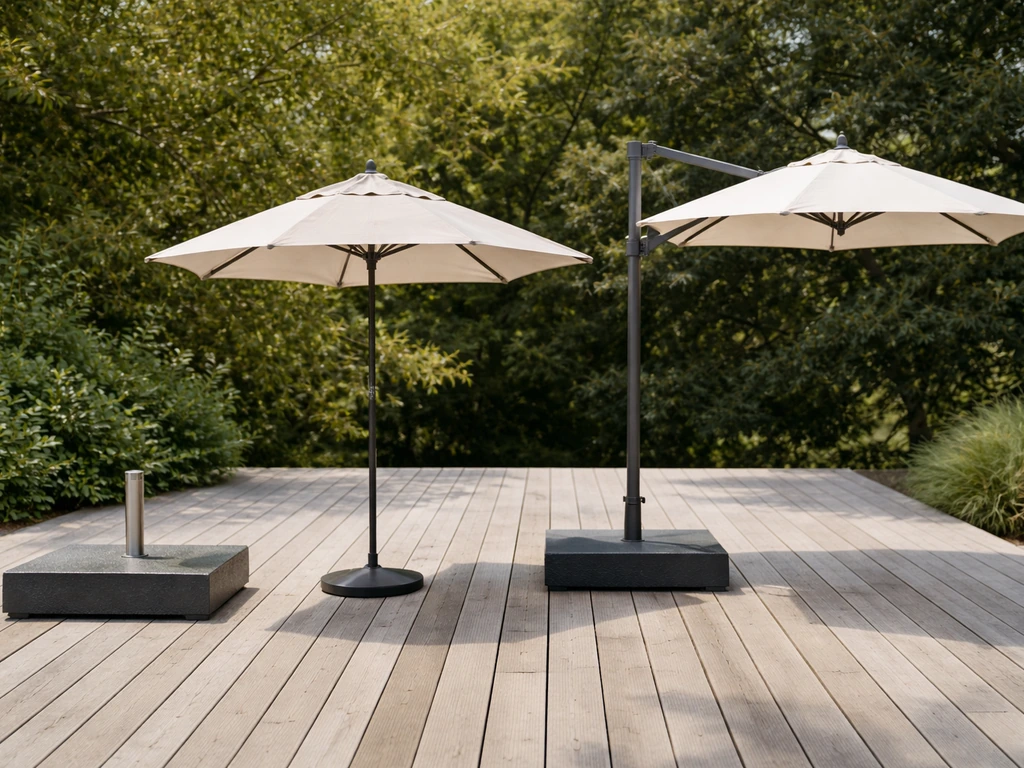
The geometry of the umbrella is the first line of defense. A canopy with a steeper pitch sheds wind more efficiently than a flat one because air slides off the sides rather than pooling and building pressure underneath. Market umbrellas (center-pole, octagonal) with a proper pitch tend to handle wind better than flat-top or square canopies for this reason. Cantilever or offset umbrellas present a bigger challenge: the canopy is hanging off a side arm, so any lateral wind force creates a strong rotational torque on the whole assembly. That's why cantilever umbrellas need significantly heavier bases than equivalent-size market umbrellas.
Rib count and length are more important than most shoppers realize. A basic 6-rib umbrella has wider gaps between ribs and less support across the canopy fabric. An 8-rib design distributes tension more evenly and holds the canopy shape better under wind pressure. Quality umbrellas often use 8 ribs on anything 9 feet and larger. Some commercial models go to 12 ribs. More ribs means more attachment points for the canopy, less fabric flutter, and less chance of the canopy inverting in a gust.
The pole diameter is a simple but telling quality indicator. Budget umbrellas often use a 1-inch diameter pole. Mid-range umbrellas step up to 1.5 inches, and serious wind-rated models typically use a 2-inch or larger pole. A thicker pole resists bending under lateral loads. For two-piece poles (which is most market umbrellas), the connection point between the upper and lower sections is a weak spot. A tight-fitting, reinforced collar at that joint is something worth checking physically before you buy.
Hub and joint quality matters too. The hub is the central ring that all ribs connect to, and it takes enormous stress when wind loads hit unequally. Cast aluminum or forged hubs hold up. Injection-molded plastic hubs crack. Pull ribs outward at the store and feel for play or flex at the hub connections. Any wobble there will only get worse outdoors over months of use.
Frame and hardware: materials that actually hold up
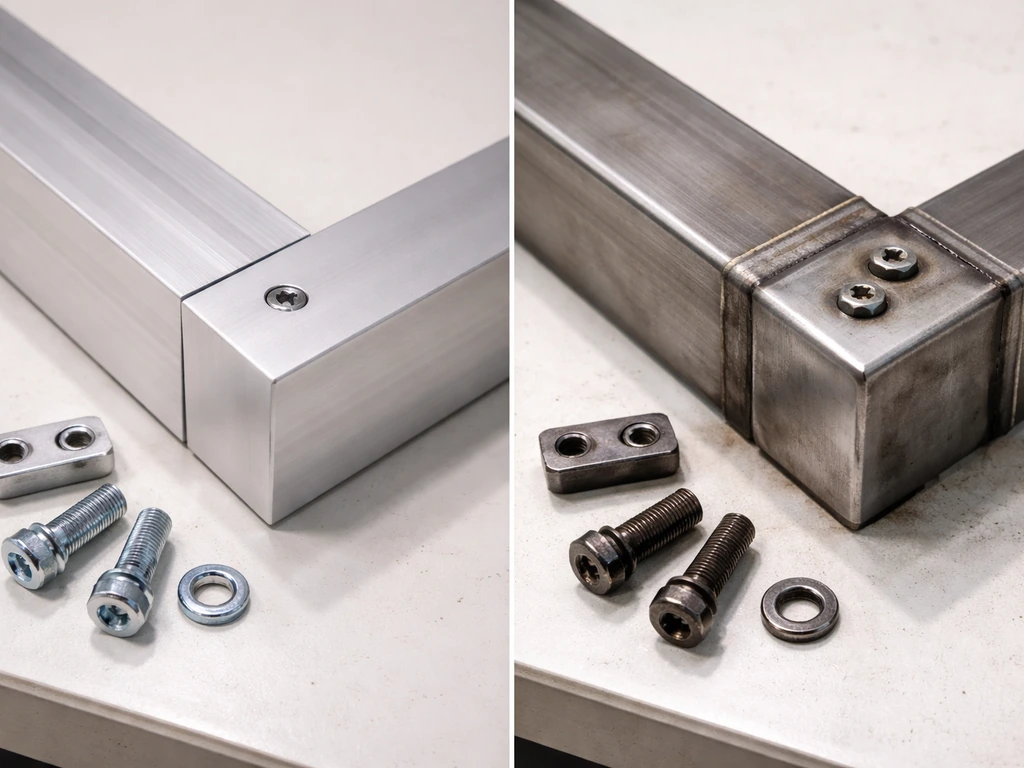
The two main frame materials you'll encounter are aluminum and steel, and each has a real trade-off. Aluminum is lighter, corrosion-resistant by nature, and still plenty strong for most residential use. Steel is heavier and stronger in pure flex resistance, but it will rust if the coating is damaged. For coastal areas or anywhere with regular rain, powder-coated aluminum is the smarter long-term choice. Look for a rain-friendly design, too, by choosing a vented canopy and durable, moisture-resistant materials regular rain. Fiberglass poles are a third option found on some premium umbrellas: they're highly flexible (which actually helps absorb wind shock rather than resist it rigidly), very corrosion-resistant, and used in some of the best wind-rated umbrella designs.
| Material | Wind Strength | Corrosion Resistance | Weight | Best For |
|---|---|---|---|---|
| Aluminum (powder-coated) | Good | Excellent | Light | Most residential settings, coastal areas |
| Steel (powder-coated) | Very Good | Fair (rusts if coating chips) | Heavy | Inland, high-use settings with regular maintenance |
| Fiberglass | Excellent (flex-absorbing) | Excellent | Light-medium | Exposed, windy locations; premium builds |
| Plastic/resin poles | Poor | Good | Very light | Avoid for any wind-exposed setup |
Hardware quality is where a lot of mid-range umbrellas quietly cut corners. Look for stainless steel or marine-grade fasteners rather than zinc or plain steel screws, which corrode and seize up. The tilt mechanism, crank housing, and any rope or pulley systems are all failure points. A crank that strips out in year two means you can't close the umbrella before a storm. Pay attention to bearing quality on cantilever models: the pivot bearing takes the full weight of the canopy arm and should be rated for continuous outdoor use.
Canopy fabric, stitching, and venting
The canopy fabric needs to handle UV exposure, moisture, and mechanical stress from wind flapping. Solution-dyed acrylic fabrics (Sunbrella is the best-known brand) are the standard for quality outdoor umbrellas. The dye goes all the way through the fiber, so the fabric doesn't fade and the structure stays intact for years. Polyester is cheaper and fine at a lower price point, but it degrades faster under UV and repeated flexing. Avoid anything described only as "polyester blend" without a specific weave weight or UV rating.
Stitching is underrated. Double-stitched seams with UV-resistant thread hold the canopy panels together when wind tries to peel them apart at the seams. Check where the fabric attaches to each rib tip: reinforced rib pockets or metal rib tips with secure attachment points resist tearing far better than fabric simply sewn around the rib. If the rib tip is just a plastic cap with no real anchor, that seam is going to fail first.
Vented canopies (sometimes called double-top or wind-vented designs) genuinely help. Vented canopies (sometimes called double-top or wind-vented designs) genuinely help double-top or wind-vented umbrella vents let wind pass through. The vent is an opening at or near the top of the canopy that lets pressurized air escape upward rather than building underneath and lifting the canopy. Commercial guidance on this is straightforward: vents reduce upward lift, lower the stress on ribs and the hub, and help prevent inversion. A single top vent is good. A double-layer vent (where a smaller cap canopy sits above the main canopy with a gap between them) is better because it lets air through while keeping rain out. For anyone in a regularly breezy location, I'd call a vented canopy a near-requirement, not a luxury.
Base weight, footprint, and anchoring: this is where most setups fail
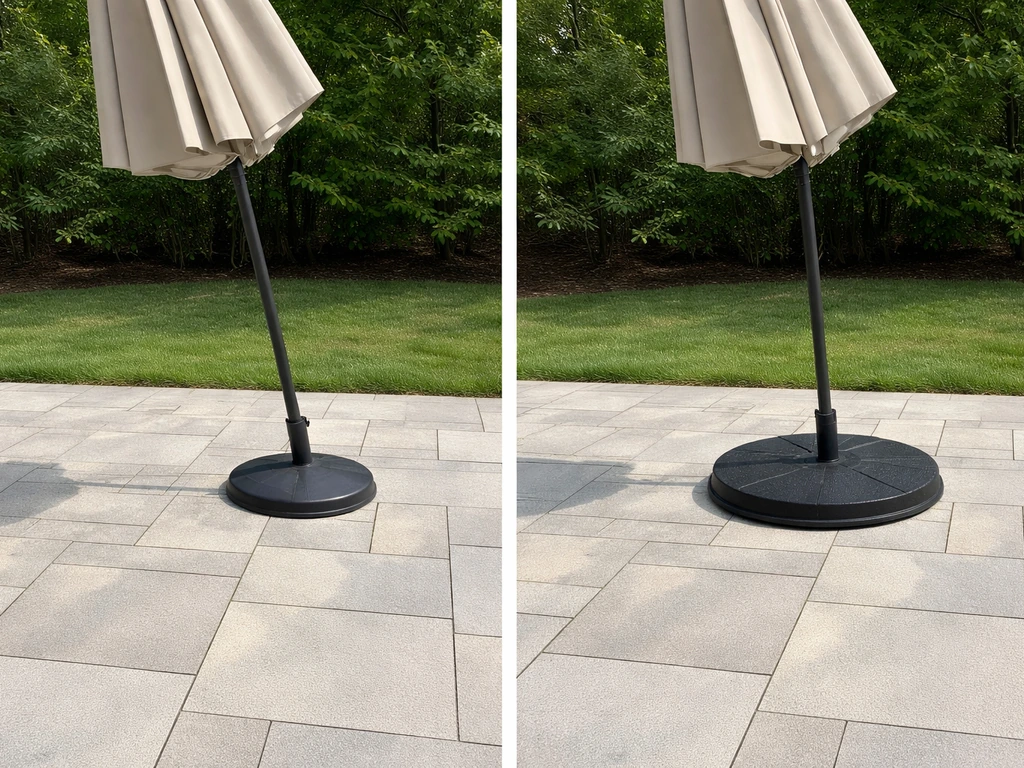
The base is the single biggest factor in real-world wind performance, and it's where most people get it badly wrong. An undersized base turns even a well-built umbrella into a hazard. Ratana's published guidance specifies a minimum base weight of 50 lbs for a standard market umbrella. That's a minimum, not a recommendation for good performance. Most umbrella manufacturers follow a general rule: for a market umbrella, plan on at least 50 lbs for a 7.5-foot canopy and scale up meaningfully from there. For a 9-foot market umbrella, 75 lbs is a more realistic working number. For a 9 to 11-foot cantilever umbrella, you're looking at 150 to 200 lbs or more, because the offset arm multiplies the torque force on the base significantly.
- 7.5 ft market umbrella: 50 lbs minimum, 60 to 75 lbs recommended
- 9 ft market umbrella: 75 lbs minimum, closer to 100 lbs in exposed or breezy locations
- 11 ft market umbrella: 100 to 125 lbs minimum
- 9 to 10 ft cantilever umbrella: 150 lbs minimum, 180 to 200 lbs for reliable stability
- 11 to 13 ft cantilever umbrella: 200 lbs or more; many quality cantilever stands use multiple fillable base plates
Base footprint matters as much as weight. A tall, narrow base with a 50-lb fill can tip more easily than a low, wide base of the same weight because the center of gravity is higher. Wide, flat bases that sit close to the ground are harder to tip. Fillable bases (plastic shells you fill with sand or water) are convenient and popular, but sand is about 40 percent heavier than water for the same fill volume, so sand is the better choice if you're trying to maximize weight in a given base size.
If your patio has a table with an umbrella hole, the table itself adds lateral stability but not vertical hold-down force. You still need a ground-level base. For in-ground pole sleeves set in concrete, that's the strongest option available for a fixed installation: the sleeve transfers lateral force directly into the ground. On decks or balconies where you can't add an in-ground sleeve, anchor plates that bolt to the deck surface are a good alternative. On a balcony specifically, weight matters even more because you have no ground purchase, and you need to be aware of your building's load limits. If you're shopping specifically for the best patio umbrella for balcony setups, prioritize wind-rated construction plus a base or anchoring method that matches your deck or railing.
One practical tip: if your umbrella came with a lightweight base or no base guidance at all, treat that as a sign to upgrade before you have a problem. Instruction sheets from several major retailers explicitly say more weight is always better, and that the umbrella is not meant for windy or inclement weather conditions. California Umbrella's instruction materials similarly caution that the umbrella must be used with an appropriate base or anchoring system and is “Not meant for use in windy or inclement weather conditions.” not meant for windy or inclement weather conditions. The right setup is one where you can confidently walk away from the table knowing that umbrella isn't going anywhere in a 20 mph gust.
Using and maintaining your umbrella to make it last
The most important habit you can build is simple: close the umbrella any time you're not actively using it and when the wind picks up. That retail instruction sheet guidance about not operating in winds above 5 mph is extremely conservative for a properly weighted setup, but the underlying principle is right. Most umbrella failures happen not during normal use but when someone leaves the umbrella open overnight or steps inside during a summer storm. A closed umbrella has almost no wind resistance and is essentially safe even in strong gusts. An open umbrella in a 30 mph gust is a projectile.
Tilt mechanisms let you angle the canopy to track the sun, but they also change how wind loads hit the canopy. Tilting into the wind can actually increase lift under the canopy, while tilting away can help shed gusts depending on direction. The practical advice: don't leave the umbrella tilted and unattended. Tilt for shade, then retract when you're done or when wind picks up.
Regular inspection catches problems before they become failures. Once a month during the season, check the following:
- Rib tip connections: look for cracking at the canopy fabric attachment points
- Hub connections: check for play, cracking, or corrosion where ribs meet the hub
- Pole collar or joint: tighten any loose hardware at the two-piece pole connection
- Base fill: water-filled bases can lose volume through slow leaks; top up or switch to sand
- Fasteners: re-tighten any screws or bolts that have vibrated loose
- Canopy seams: look for thread fraying or separating seams before they become tears
For storage, especially over winter or through hurricane season, remove the canopy entirely if possible and store the fabric flat or rolled rather than folded repeatedly at the same crease lines. Store the frame in a covered area or use a protective cover. Sand-filled bases should be drained and dried before freezing temperatures hit, since expanding ice can crack plastic shells. A little end-of-season maintenance adds years to the life of even a mid-range umbrella.
What to prioritize when buying for a windy location
If you know wind is going to be a regular challenge, here's how to prioritize: start with the base, because an underpowered base makes everything else irrelevant. If you want the best patio umbrella for wind, a properly weighted base is where the whole setup starts working start with the base. Then look for a vented canopy, a minimum 8-rib frame, and a pole diameter of at least 1.5 inches (2 inches is better for anything 9 feet or larger). Aluminum or fiberglass construction is preferable to steel if you're near the coast or in a wet climate. Solution-dyed acrylic fabric outlasts polyester in both UV and wind stress over time.
Cantilever umbrellas are more convenient for many patio layouts but need substantially more base weight and a sturdier frame than equivalent market umbrellas. If you're on a balcony or rooftop where weight is constrained, a market umbrella with an in-deck sleeve anchor is often a more practical solution than a heavy cantilever setup. The right answer depends on your specific patio, and matching the umbrella style and size to your anchoring options is just as important as the umbrella's own construction quality. To choose a patio umbrella with a patio umbrella wind rating you can trust, match the rating to your typical breeze and worst-case gusts, then set it up with a properly weighted base and anchoring.
FAQ
How can I tell if a patio umbrella is truly wind-resistant before I buy it?
Look beyond marketing claims and check the practical wind-support details you can physically verify: pole diameter (aim for 1.5 inches or more), hub and joint for wobble or flex, minimum rib count (8 ribs for 9 feet and larger), and whether the canopy is wind-vented (single vent, or ideally a double-layer vent that sheds air but blocks rain).
Is a heavier base always better, even if the umbrella is the same size?
In general, yes for stability, but also match base footprint. A heavier tall, narrow base can still tip more easily than a slightly lighter wide, low base because the center of gravity sits higher. If you can, prioritize low profile plus wide footprint, not just weight.
Can I use sand instead of water in the base for better wind resistance?
Sand is usually the better choice for maximizing weight in a given base size, since it is denser than water. Many fillable bases default to water for convenience, but sand helps keep the umbrella from lifting or rocking in gusts.
What wind speed rating should I use if I want an umbrella for everyday breezes?
Treat wind ratings as “set-up and use” ranges, not storm survival. If your area often reaches the upper end of moderate gusts, pick a model rated for higher Beaufort conditions than you typically experience and then still close the umbrella when wind picks up. Any rating assumes the umbrella is properly weighted and anchored.
Does closing the umbrella solve the wind risk completely?
Closing helps dramatically because a closed canopy has little surface area for gusts to lift it, but it does not replace a correct base and anchoring. If you leave it open overnight, or during sudden storms, the risk becomes severe quickly because it can act like a sail.
Should I keep the umbrella tilted for better wind performance?
No, do not leave it tilted and unattended. Tilting can change the load direction and lift on the canopy, and wind can catch it differently depending on direction. Use tilt for shade, then retract when done or when gusts increase.
Will a vented canopy always be safer in wind than a non-vented one?
A vented design typically reduces upward lift by letting pressurized air escape, which lowers stress on the hub and ribs. That said, venting does not replace base sizing and anchoring. If the base is undersized, even a vented canopy can still tip or spin.
Is a cantilever umbrella more wind-resistant than a center-pole market umbrella?
Usually no. Cantilever umbrellas can be more vulnerable in gusts because the offset arm increases rotational torque on the base. They can work well, but they require substantially heavier bases and a sturdier frame than an equivalent-size market umbrella.
What are the most common wind-related setup mistakes that cause tipping or inversion?
The usual culprits are an undersized base, a base with poor footprint (tall and narrow), an unanchored umbrella on decks or balconies, and leaving the umbrella open when gusts rise. Another common mistake is assuming the table’s umbrella hole provides vertical hold-down, it generally adds lateral stability only.
How do I anchor correctly on a deck or balcony without a ground-level in-ground sleeve?
Use a system that transfers lateral force into the structure, such as an anchor plate bolted to the deck surface for decks, or a balcony-compatible anchoring approach that considers building load limits. On balconies, weight matters more because you cannot rely on ground purchase, so avoid lightweight setups and confirm your structure can handle the added mass and wind loads.
What should I inspect during monthly checks to prevent wind failures?
Check for play at rib-to-hub connections (wobble indicates a loosening joint), inspect the crank and tilt hardware for smooth operation, and look for seam stress or tearing at rib attachment points. Also confirm the base is secure and not shifting, especially on surfaces where friction can wear down over time.
Does fiberglass vs aluminum vs steel change wind performance?
They can, but the bigger point is corrosion resistance and rigidity under load. Fiberglass is flexible and can absorb shock, aluminum is corrosion-resistant and typically a good long-term choice, while steel is strong but can rust if coating is damaged. In coastal or consistently wet locations, corrosion resistance often matters as much as initial strength.
How should I store the umbrella before freezing temperatures to reduce long-term wind risk?
Store the fabric flat or rolled to avoid repeated crease stress, and keep the frame in a covered area. If your base uses sand, drain and dry it before freezing weather because expanding ice can crack plastic shells, which can later make the base less stable in wind.