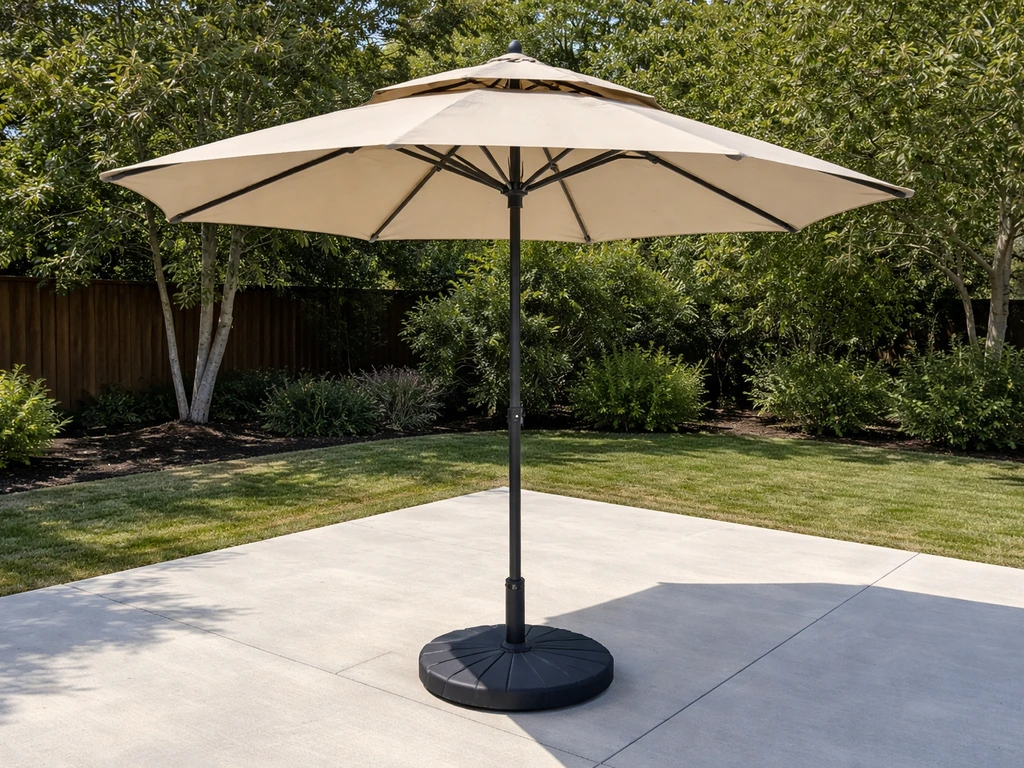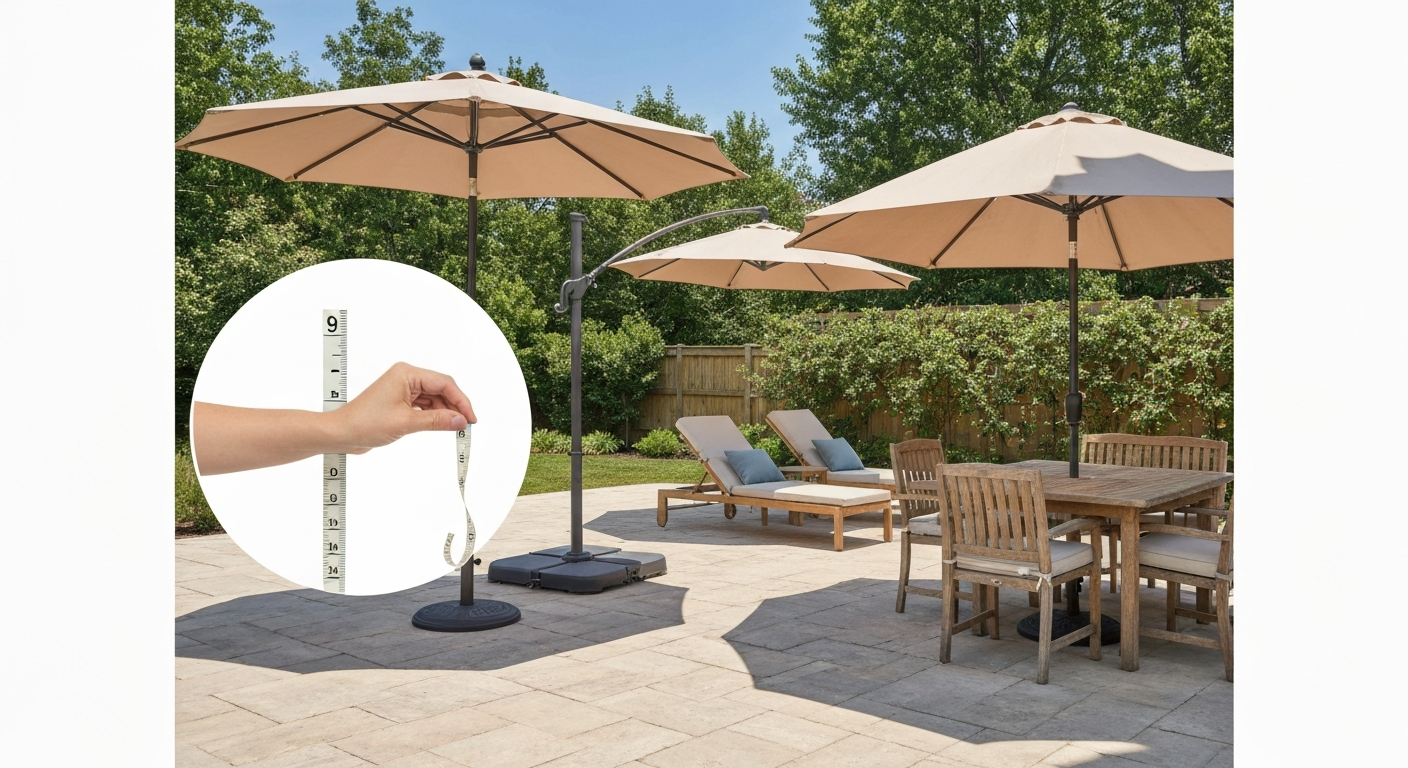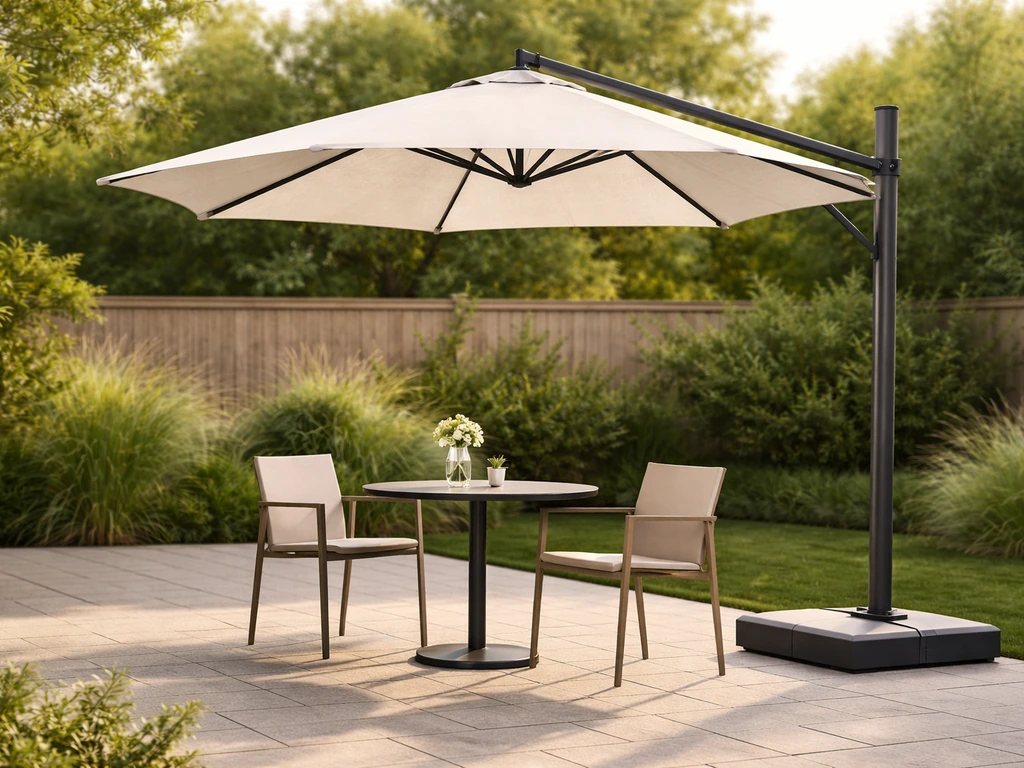
A good patio umbrella comes down to five things: the right style for your setup, a canopy size that actually covers your seating area, a frame and fabric built to handle your local weather, enough base weight to stay put in the wind, and UV/water performance that matches how you really use your outdoor space. Get all five right and you'll have an umbrella that lasts years and works every time you open it. Miss one and you'll either end up with a sunshade that blows over on the first gusty afternoon or a beautiful piece of hardware that doesn't shade the half of your table you actually sit at.
What Makes a Good Patio Umbrella A Buyer Checklist

Kent Lang
15 Jun 2026
The quick buying checklist
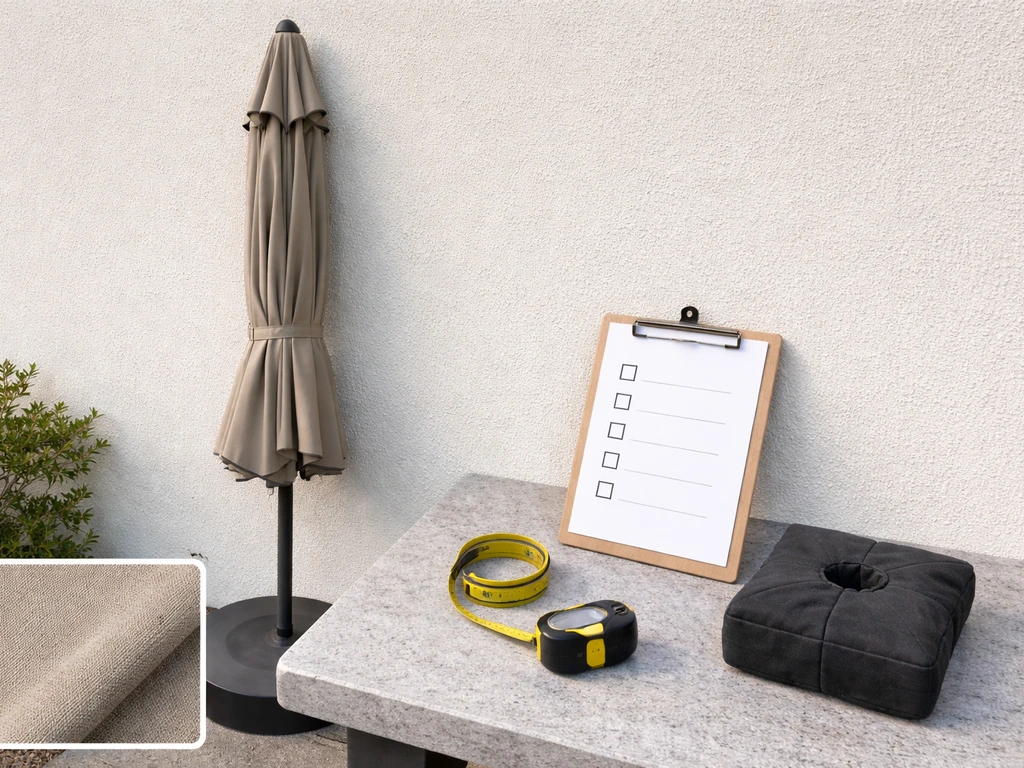
Before you dive into styles and materials, run through this shortlist every time you're evaluating an umbrella. These are the criteria that actually separate a quality umbrella from a frustrating one.
- Style: Does a center-pole, cantilever, or offset design fit your space and furniture layout?
- Size: Is the canopy at least 2 feet wider than your table on each side, and does the pole or arm clear your seating?
- Frame material: Aluminum, fiberglass, or powder-coated steel — and is the pole diameter at least 1.5 inches?
- Fabric: Solution-dyed acrylic (like Sunbrella) or at minimum a quality polyester with a UPF 50+ rating?
- Base weight: Roughly 10 pounds of base weight per foot of canopy diameter — so about 90 lbs for a 9-ft umbrella?
- Wind vents: Does the canopy have a double-vent or open-center vent to let wind pass through?
- Tilt and crank: Easy-open crank lift and a reliable tilt mechanism (auto-tilt or collar tilt)?
- Water resistance: Is the fabric treated for water runoff, or is it fully water-resistant for rainy climates?
- UV protection: Does it carry a UPF 50+ rating, blocking 95% or more of UV radiation?
Umbrella styles: market, cantilever, and offset
The style you pick shapes everything else, so it's the first decision to nail down. There are really three categories worth knowing.
Market (center-pole) umbrellas
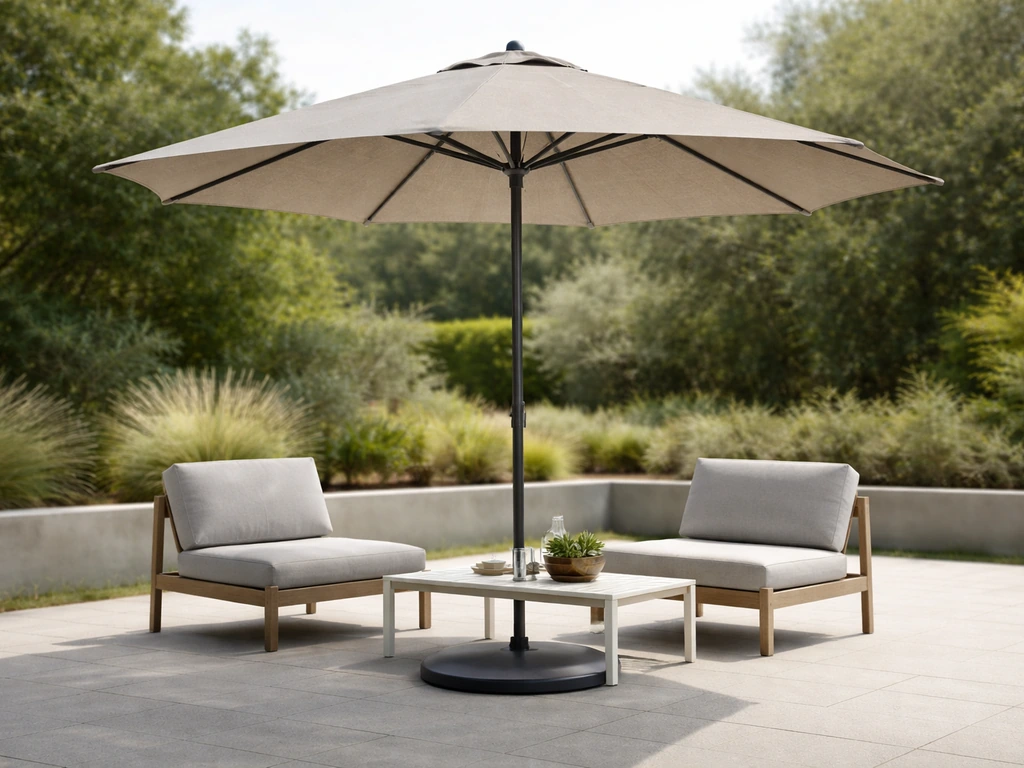
A market umbrella has a single pole running straight through the middle of the canopy and typically through a hole in your patio table. It's the most common style, the most affordable, and, when you match it correctly to a table with a pole hole, the most stable. The center-pole design keeps weight low and makes wind resistance simpler to engineer. If you have a standard round or square dining table with a center hole, this is almost always the right starting point. Canopy sizes range from 7.5 ft up to 11 ft, and the pole sits in a freestanding base or in the table itself.
Cantilever and offset umbrellas
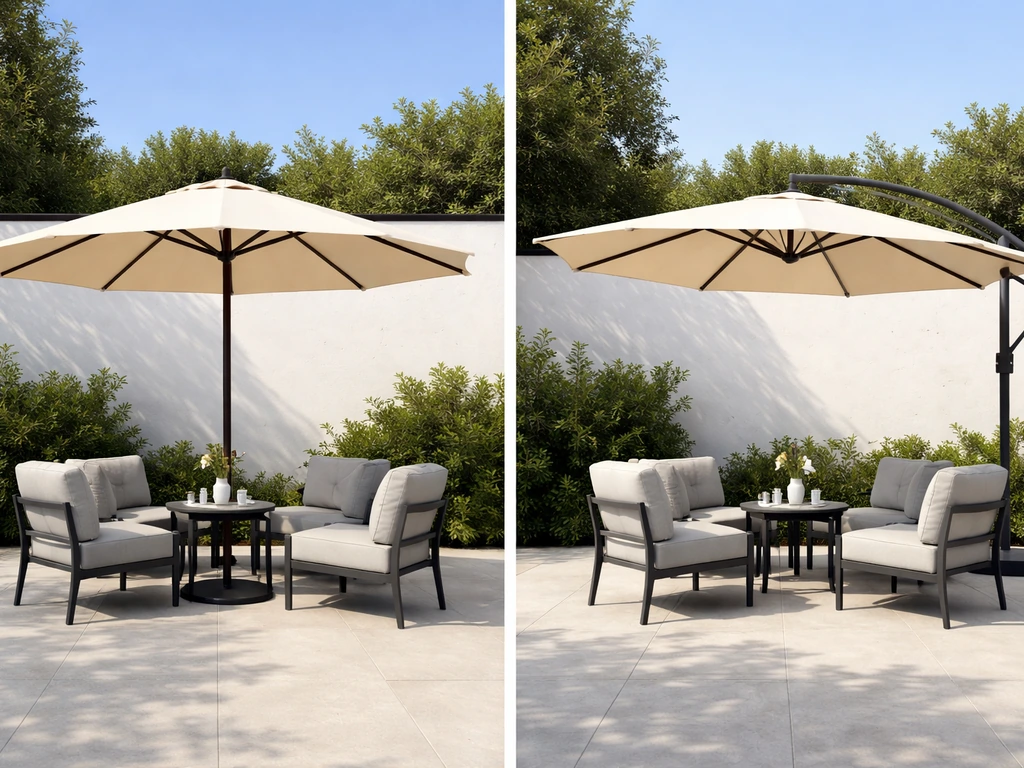
A cantilever (also called offset) umbrella moves the pole to the side so the canopy hangs out over your seating without any obstruction in the middle. This is the right call when your furniture doesn't have a pole hole, when you want to shade a sectional or lounge chairs, or when you need to cover a larger irregular area. The trade-off is real: cantilever umbrellas require significantly heavier bases (often 150 lbs or more) because the pole is off-center and creates leverage. They also cost more and have more moving parts in the arm and rotation mechanism. A quality cantilever is genuinely useful for the right space. A cheap one will wobble, droop, and frustrate you within a season.
Which style to choose
| Style | Best for | Base requirement | Typical price range |
|---|---|---|---|
| Market (center-pole) | Dining tables with center hole, straightforward patios | 50–100 lbs depending on canopy size | $50–$400+ |
| Cantilever / Offset | Sectionals, loungers, large decks, pole-free furniture | 150–200+ lbs | $200–$1,000+ |
| Tilting market | Dining setups needing afternoon sun angle adjustment | Same as market | $80–$350+ |
Getting the size right for your table and seating area
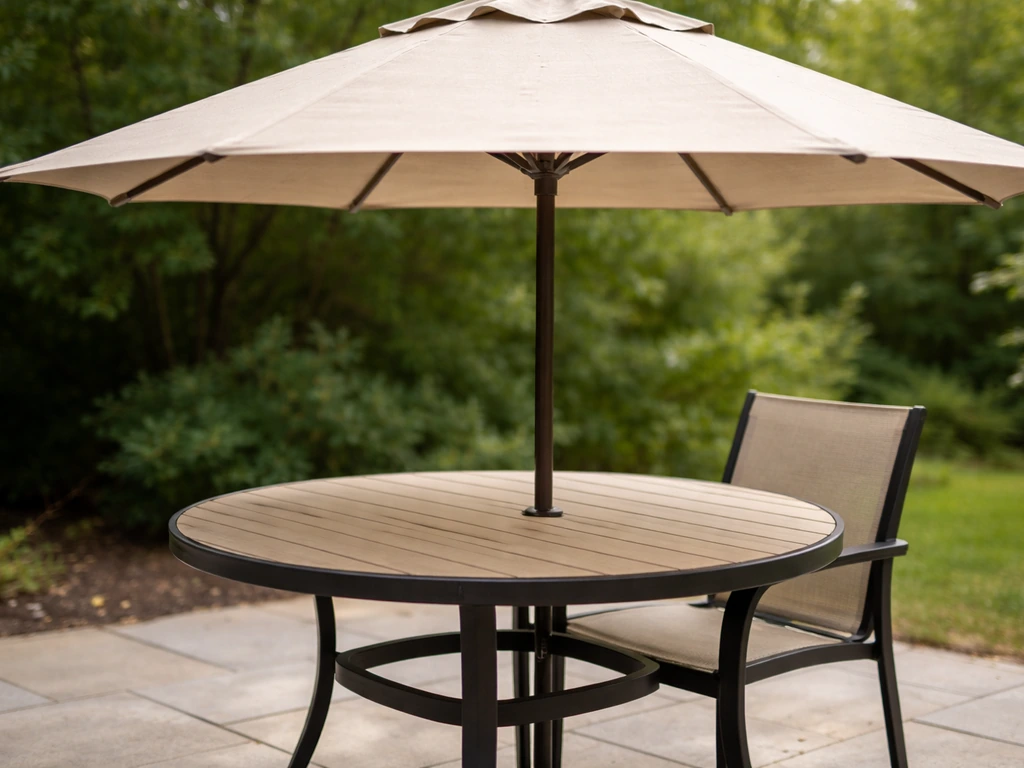
Umbrella sizing is where a lot of people underestimate what they need. The canopy has to be bigger than your table, not the same size. A good rule of thumb: add at least 2 feet on each side of your table's diameter or width. So a 48-inch (4-ft) round table needs a 9-ft umbrella at minimum. A 60-inch table bumps that up to a 10- or 11-ft canopy. Undersizing means the sun hits you at anything other than high noon.
Clearance matters just as much as coverage. The canopy edge should hang at least 6.5 to 7 feet above the ground so nobody sitting at the table hits their head on a rib when they stand up. Most standard market umbrellas pole at around 7.5 to 8 feet, which works fine for dining height tables. If you're pairing with a bar-height table or a taller deck setup, double-check the pole length before you buy. For cantilever models, measure the horizontal reach of the arm to make sure the canopy actually centers over your furniture.
| Table size | Recommended canopy diameter | Notes |
|---|---|---|
| Up to 4 ft round / 4-person | 9 ft | Minimum for adequate coverage |
| 4–5 ft round / 6-person | 10–11 ft | 11 ft gives comfortable edge buffer |
| 6-person rectangular | 11 ft or rectangular canopy | Match canopy shape to table shape |
| Sectional / lounge area | 11–13 ft cantilever | Offset arm handles irregular seating |
Materials and construction: what actually holds up
Frame materials
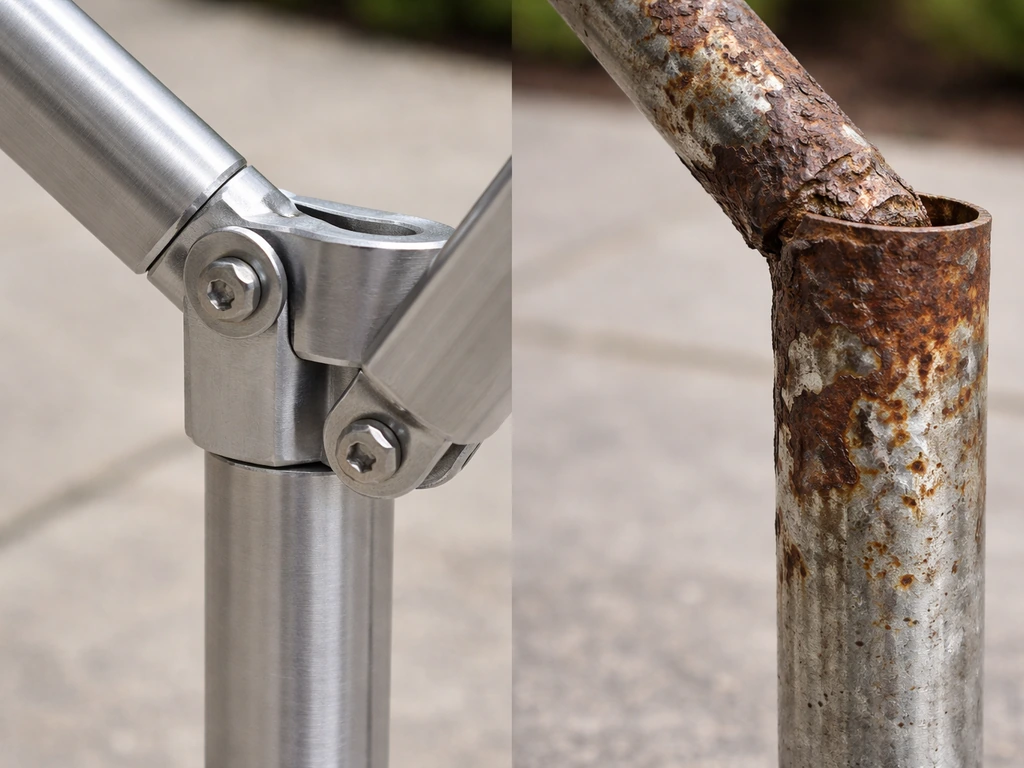
Aluminum is the best all-around choice for most people. It doesn't rust, it's light enough to move around, and quality aluminum poles handle years of outdoor exposure without degrading. Look for a pole diameter of at least 1.5 inches for a 9-ft umbrella, thicker is better, and some heavy-duty models run 2 inches or more. Powder-coated steel is heavier and cheaper, which makes it fine for budget buys or permanently placed setups, but it will rust if the coating chips and you don't touch it up. Fiberglass ribs (the arms that hold the canopy out) are worth paying for: they flex under wind load instead of snapping, which is a real durability advantage over cheaper aluminum or plastic ribs.
Fabric and canopy construction
Solution-dyed acrylic, Sunbrella being the most well-known brand, is the gold standard for canopy fabric. The color is baked into the fiber during manufacturing, not printed on top, which means it resists fading dramatically better than polyester. It's also naturally water-resistant and holds up to UV exposure for years rather than months. The honest trade-off: it costs more, and a basic polyester canopy at a lower price point will still perform adequately if you're willing to replace it every couple of seasons. If you're spending real money on a frame, don't cheap out on the canopy fabric, the fabric is what degrades first.
Also check the canopy stitching and the hub construction where the ribs connect. Double-stitched seams and a reinforced center hub are signs of quality. A canopy that starts fraying at the seams after one summer is a construction failure, not just wear and tear.
Mechanism quality: crank, tilt, and open/close hardware
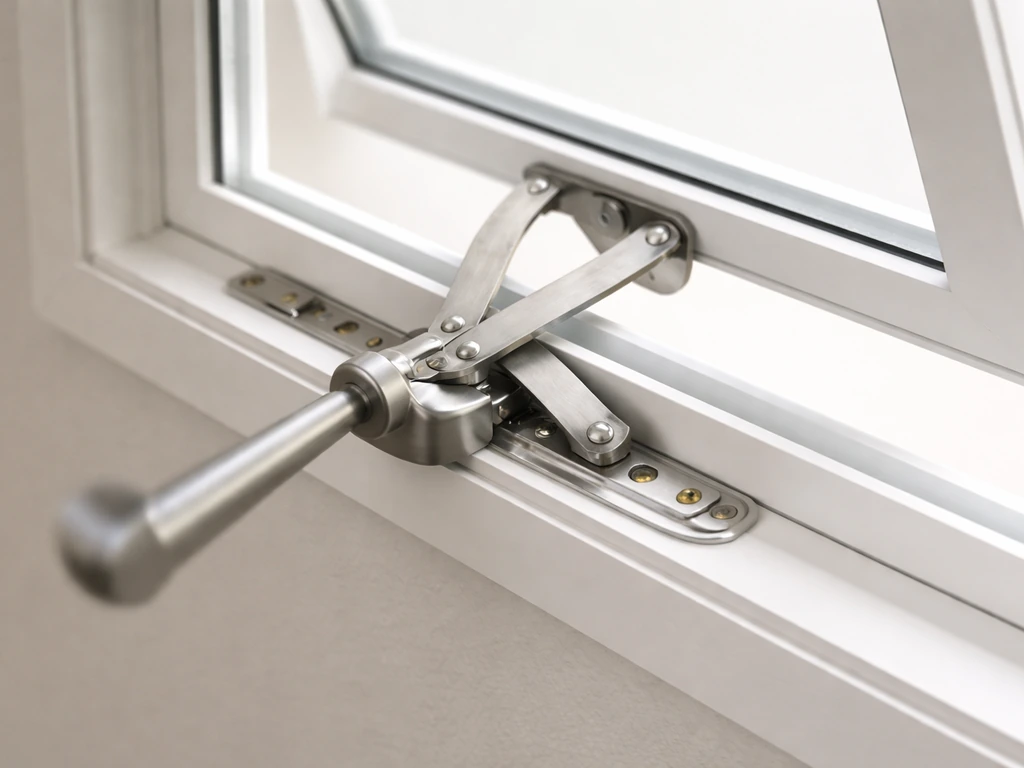
The mechanism is the part you interact with every single day, so it matters more than most people think before they buy. A crank lift (where you turn a handle to open and close) is far better than a push-up lift for larger umbrellas, it's easier to use and puts less stress on the canopy. For tilt, collar-tilt and auto-tilt both work well; auto-tilt is more convenient since you can adjust the angle mid-use. Avoid any mechanism that feels loose or grinds when new, that doesn't improve with use.
Wind resistance: the base weight question and canopy design
Wind is the number-one reason patio umbrellas fail, tip over, or become genuinely dangerous. blank" rel="noopener noreferrer">ASTM standard F3512 exists specifically to test wind safety and durability of market umbrellas, and the underlying concern is real: improperly designed, installed, or maintained umbrellas can be broken, dislodged, or become airborne in wind. That's not just a nuisance, a 9-lb canopy becoming a sail in a 30 mph gust is a hazard to people and property.
Base weight: the 10-pounds-per-foot rule
The most practical stability guideline you'll encounter is 10 pounds of base weight per foot of canopy diameter. A 9-ft umbrella needs roughly 90 lbs of base. An 11-ft umbrella needs around 110 lbs. For a cantilever where the pole is offset from the canopy, you need significantly more, often 150 to 200 lbs, because the off-center weight creates leverage that multiplies wind force at the base. This isn't a marketing spec; it's a physical reality. A 50-lb base under a 9-ft umbrella will tip in moderate wind. If you're in a consistently breezy location, size up on base weight even beyond the rule of thumb.
Canopy venting and frame design
A canopy with a wind vent, usually a double-layer opening at the top, lets air flow through instead of lifting the whole canopy like a sail. A canopy with a wind vent, usually a double-layer opening at the top, lets air flow through instead of lifting the whole canopy like a sail what makes a patio umbrella wind-resistant. This single feature makes a meaningful difference in how the umbrella handles gusts.
Eight or more ribs (compared to the standard six on budget models) also distributes wind load more evenly across the canopy. Fiberglass ribs, as mentioned earlier, flex and recover rather than bending permanently or snapping. If you're in a region that sees regular afternoon wind or live near the coast, these aren't optional upgrades, they're what keep the umbrella standing.
For wind-heavy locations, the base anchoring method matters too. Some bases allow you to fill them with sand or water (water is heavier per volume), and others are designed to bolt or strap to a deck surface. For a permanent installation on a concrete or wood deck, a bolt-down base plate adds stability that no amount of free-standing weight can replicate.
UV and weather performance: what the canopy actually does
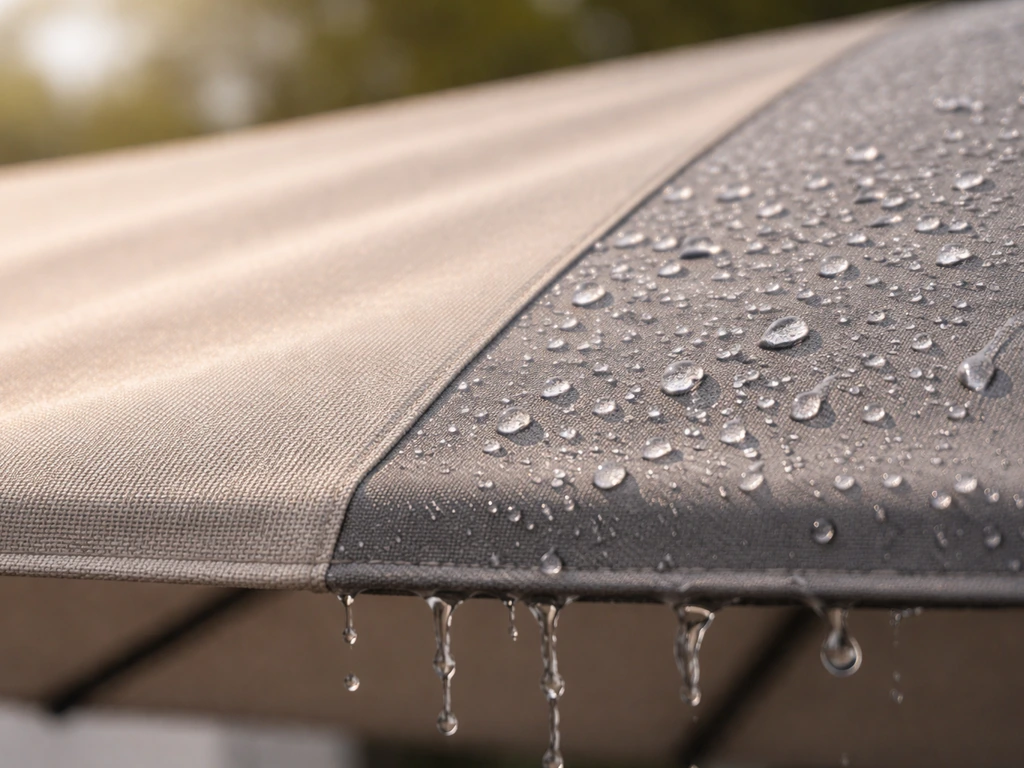
UV protection is one area where it's worth paying attention to actual ratings rather than vague marketing language. A UPF 50+ rating means the fabric blocks 95% or more of UV radiation, which is the meaningful threshold for real sun protection. Most quality solution-dyed acrylic fabrics hit this benchmark. Cheaper polyester canopies vary widely, some perform well when new but degrade quickly as the fabric ages and UV exposure breaks down the coating. If you're buying for a hot, sun-intense climate (Southwest US, southern Canada in peak summer), UPF 50+ should be a hard requirement, not a nice-to-have.
Water resistance is a separate consideration from UV. Most canopy fabrics are water-resistant rather than waterproof, meaning they handle light rain and drizzle but aren't meant to be left out in heavy downpours. Acrylic fabrics shed water well and dry quickly. If you're in a climate with frequent afternoon thunderstorms, the Southeast US, for example, look for canopies with a tighter weave, sealed seams, or a water-resistant coating, and make a habit of closing the umbrella when serious rain starts. Leaving a canopy open in pooling rain adds weight stress to the frame and degrades the fabric faster.
Canopy shape affects coverage too. A traditional octagonal canopy gives even shade in all directions, which works well for a round table. A rectangular canopy better matches a long dining table or rectangular seating arrangement. For a cantilever, many models allow 360-degree rotation of the canopy arm, which lets you track the sun's angle through the day, genuinely useful if your patio faces west and you're dealing with late afternoon sun.
Matching your umbrella to your budget and climate
Here's the honest budget breakdown. Under $150 gets you a functional umbrella that will last two to four seasons with basic care, fine for occasional use or a rental property. The $150 to $400 range is where most homeowners should spend: you get powder-coated aluminum frames, better fabric quality, reliable crank-and-tilt mechanisms, and canopies that hold color for several years. Above $400 is where you find commercial-grade frames, genuine solution-dyed acrylic canopies (Sunbrella and similar), heavier-gauge poles, and cantilever systems built to stay in place. If you're outfitting a space you use daily and want to avoid replacing the umbrella every few years, the upper tier pays for itself.
Climate shapes the priority list. Hot, dry climates (the Southwest, interior BC, southern prairies) should prioritize UPF rating and fade resistance above all else, UV destruction of fabric happens fast in relentless sun. If you're shopping in Canada, choosing the best patio umbrellas Canada based on UPF ratings and fade resistance can help your canopy hold up through intense summer sun.
Windy climates (coastal areas, open plains, elevated decks) need heavier bases, vented canopies, and fiberglass ribs, wind resistance matters more than aesthetics. If you're shopping for the best patio umbrella for wind in Canada, focus on a heavier base, vented canopy design, and fiberglass ribs that can handle gusts without wobbling. To choose the right patio umbrella, pay attention to the wind rating so you know what gusts it can handle safely.
If you're specifically shopping for the best patio umbrella for wind, focus on a vented canopy, fiberglass ribs, and a base that meets or exceeds the 10-pounds-per-foot rule. Rainy climates (Pacific Northwest, Atlantic Canada) benefit most from quick-dry fabrics, rust-resistant frames, and sealed seams. Mixed climates that see all three should invest in a mid-to-upper budget umbrella that doesn't compromise on any of the three categories.
How to actually pick the right umbrella: your next steps
Work through these steps in order and you'll arrive at a short list of real options instead of scrolling through hundreds of products without a filter. For a small balcony setup, keep these criteria in mind when searching for the best patio umbrella for balcony.
- Measure your table and seating area. Note the table diameter or dimensions, and add at least 2 feet per side to find your minimum canopy size.
- Check your clearance. Confirm the pole height will give at least 6.5 to 7 feet of clearance above the ground at the canopy edge.
- Decide on style. If your table has a center pole hole and you want simplicity, go market umbrella. If you're shading a sectional or pole-free furniture, go cantilever.
- Assess your wind exposure. If you're in a gusty location or on an elevated deck, factor in a heavier base and look specifically for vented canopies and fiberglass ribs.
- Set your climate priorities. Rank UV protection, water resistance, and wind stability based on your actual weather — then filter by those specs.
- Set a realistic budget. For a daily-use umbrella in a real outdoor space, $200 to $400 is the range where quality and cost meet well. Don't underbuy the base — it's the piece most people skimp on and most regret.
- Verify base weight before you buy. Use the 10-pounds-per-foot rule as your floor. If you're buying a cantilever, double that number as your starting point.
Once you have a style, size, and budget locked in, the remaining choices, color, tilt type, brand, are genuinely secondary. A well-matched umbrella in a neutral color with a solid base will outperform a beautiful premium model that's the wrong size, underpowered in base weight, or made from fabric that can't handle your local sun. Get the fundamentals right first, and the rest is straightforward.
FAQ
How do I know what canopy size I need if my table isn’t a standard round dining table?
Measure the furniture first, then size the canopy beyond it. For a center-pole market umbrella, the canopy needs to cover the seating, which usually means adding about 2 feet per side of the table’s width or diameter. Also confirm clearance above standing height, and for cantilevers measure the arm’s horizontal reach so the shade actually lands over your chairs when rotated.
Should I choose a market umbrella or an offset (cantilever) umbrella if my patio table has no pole hole?
If your patio table has a center hole, a market umbrella is usually the most stable and easiest to set up. If there is no center hole, plan on a cantilever (offset) umbrella, or use a freestanding market base that fully blocks wobble. The key is matching pole configuration to your table and ensuring the base footprint is large and heavy enough for your wind conditions.
Is a “UV resistant” label enough, or do I need a specific UPF rating?
UPF 50+ is a useful target for strong sun, but also consider fade behavior. Look for solution-dyed acrylic canopies and check fabric details like tighter weave or sealed seams for sun-intense regions. Marketing terms like “UV resistant” without a UPF number are harder to trust because performance can drop as the fabric ages.
Can I leave a patio umbrella open during rain?
Most patio umbrella fabrics are water-resistant, not waterproof. If you expect heavy downpours, close the umbrella during storms and rely on fabrics that shed water quickly, plus design details like seam sealing or tighter weave. Leaving a canopy open in pooling rain adds load to the frame and accelerates fabric wear.
Will tilt features compensate if I accidentally buy an umbrella that’s slightly too small?
Yes, but only if it’s practical for your space. Many umbrellas allow tilt so you can adjust the angle during the day, but tilt does not replace correct sizing. If you undersize the canopy, tilt can only help for part of the day. For best coverage, choose the right canopy diameter plus a mechanism that allows smooth adjustments.
If I meet the base weight guideline, will my umbrella still be unstable in wind?
Base weight rules are a starting point, but what matters most is how the base is used. Always verify the base type (filling, free-standing only, or bolt-down), and check the umbrella’s stated canopy size rating. In breezy areas, consider larger bases than the guideline and add deck anchoring if the umbrella is used frequently or near high wind exposure.
What should I look for besides a wind vent if I live in a very windy location?
A wind vent helps, but it does not make an umbrella “windproof.” In gusty conditions, prioritize a vented canopy, more ribs, and fiberglass ribs that flex without permanent bending. Also ensure the umbrella is maintained (no loose hardware) and that the canopy is closed when wind becomes more than moderate.
Is aluminum always better than powder-coated steel, and what about the ribs?
The best material choice depends on your priorities, but aluminum plus fiberglass ribs is often a strong blend. Aluminum generally won’t rust, while powder-coated steel can rust if the coating chips and you don’t maintain it. For durability, focus on pole and rib gauge, rib material flexibility (fiberglass), and construction at the hub where ribs connect.
Which lift and tilt mechanism is safest for long-term daily use?
For frequent use, a crank lift usually feels better and reduces stress on the canopy compared with push-up styles, especially for larger umbrellas. Before buying, operate the mechanism several times and check for wobble, grinding, or stiffness that doesn’t improve. A higher-quality tilt system, like auto-tilt, should move smoothly through its range.
Can an umbrella be “safe” because it’s heavy, even if the fit is wrong?
Not necessarily. A heavy base can be dangerous if the umbrella is not matched correctly to the canopy size, and some bases may tip if the umbrella is loosely assembled. Check that the umbrella’s pole height and clearance fit your environment, tighten all hardware, and use the correct base that matches the model’s intended footprint and pole diameter.
What part of a patio umbrella usually fails first, frame or fabric?
Expect a shorter lifespan if you buy under budget for canopy fabric quality. Cheaper polyester can look fine initially, but it often loses color and performance as UV breaks down the coating. If you are spending enough for a durable frame, the canopy fabric is the part most likely to degrade first, so don’t skimp on fabric rated for your sun exposure.
How do my habits (daily use vs occasional use) change what makes a good patio umbrella?
If your umbrella is going up and down often, prioritize ease of opening, closing, and tilting. If it’s more permanent, prioritize rust resistance, sealed seams, and stability via bolt-down base plates or properly engineered anchoring. Your use pattern changes which features matter most, even if the umbrella looks similar on the shelf.
What maintenance steps matter most to keep a patio umbrella from degrading early?
Yes, but don’t stop at buying a good umbrella. Store or cover it during off-season and use care steps like closing in storms to reduce fabric pooling and frame stress. Also inspect seams, hub connections, and rib integrity early each season, because fraying or looseness can turn into failure during the first windy weeks.
Does canopy shape matter, or is it mostly about aesthetics?
To avoid coverage gaps, pick canopy shape based on your layout. Octagonal tops usually shade evenly for round tables, while rectangular canopies align better with long seating. For cantilevers, 360-degree rotation is useful for patios that face one direction, especially when you need shade during late afternoon.