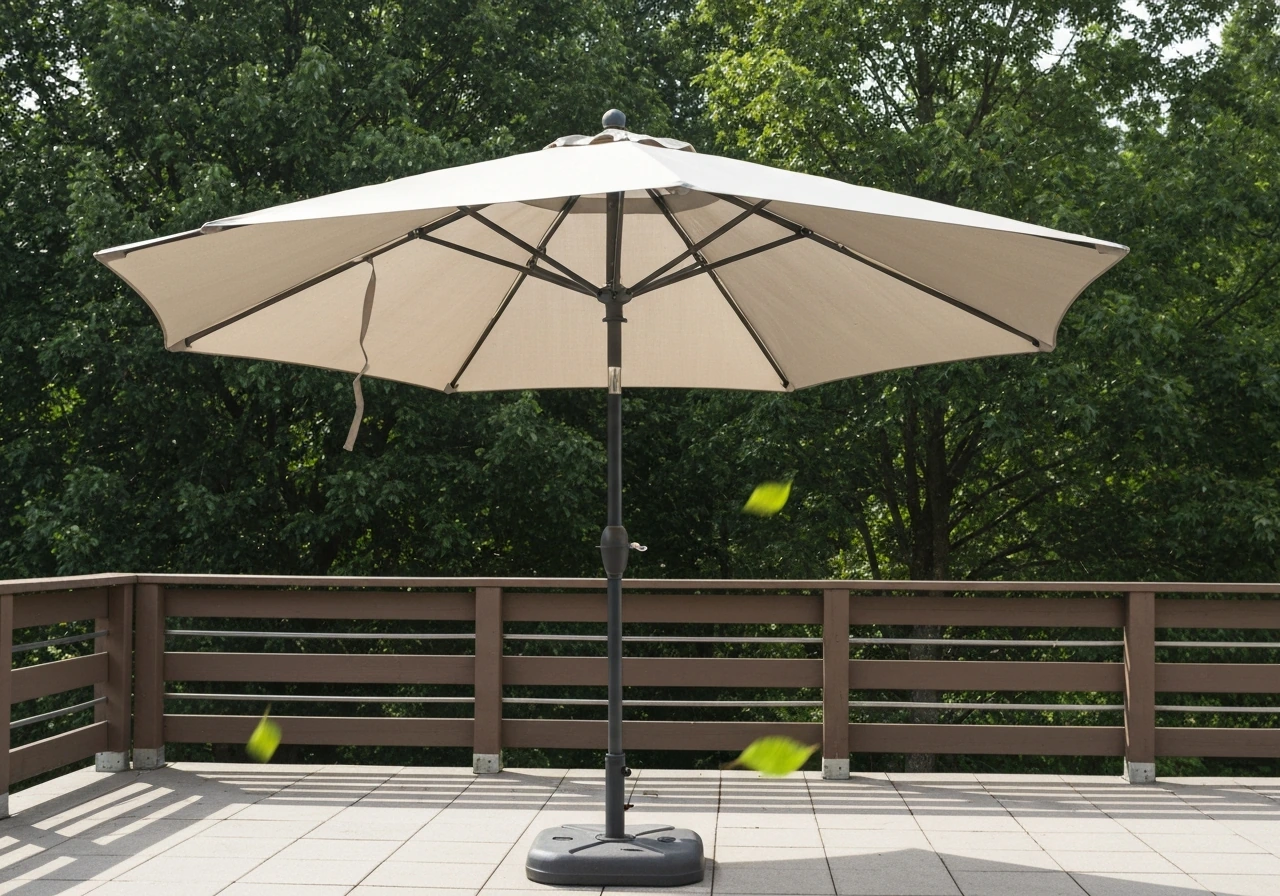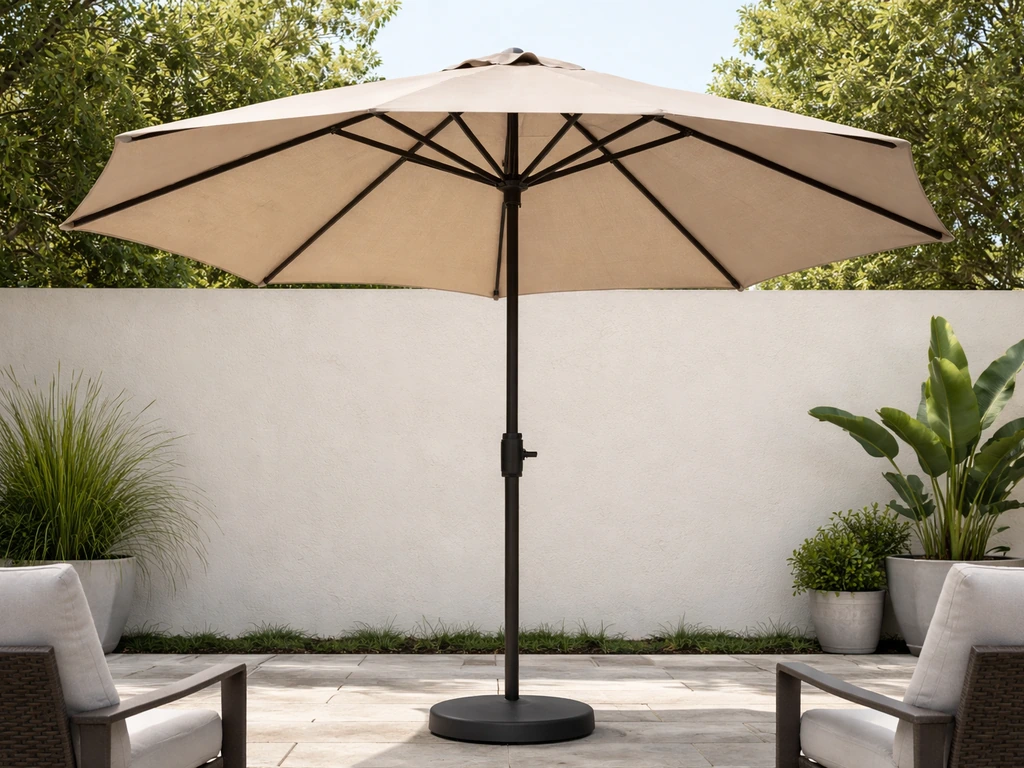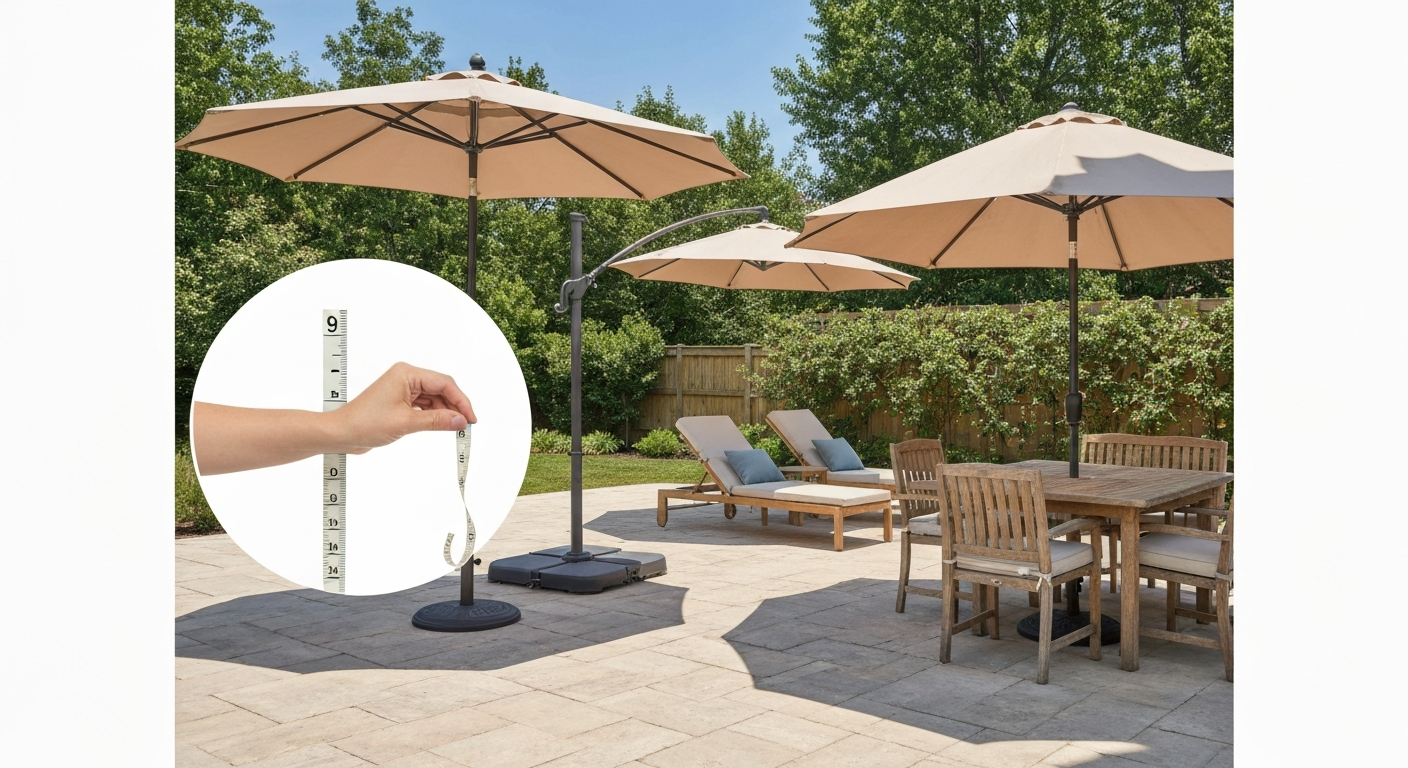
An 11ft patio umbrella is one of the most versatile sizes you can buy. It covers enough ground to shade a 6-person dining table with room to spare, works in both center-pole and cantilever styles, and hits a sweet spot between the more compact 9ft and 10ft options and the large-format 13ft and 15ft umbrellas. If you have a mid-to-large outdoor dining or lounge setup, 11 feet is almost always the right call. The harder question is which style, which fabric, and which base setup actually works for your specific patio.
Best 11ft Patio Umbrella Buying Guide for Shade and Stability

Kent Lang
9 Jun 2026
What '11ft' actually means for your patio coverage
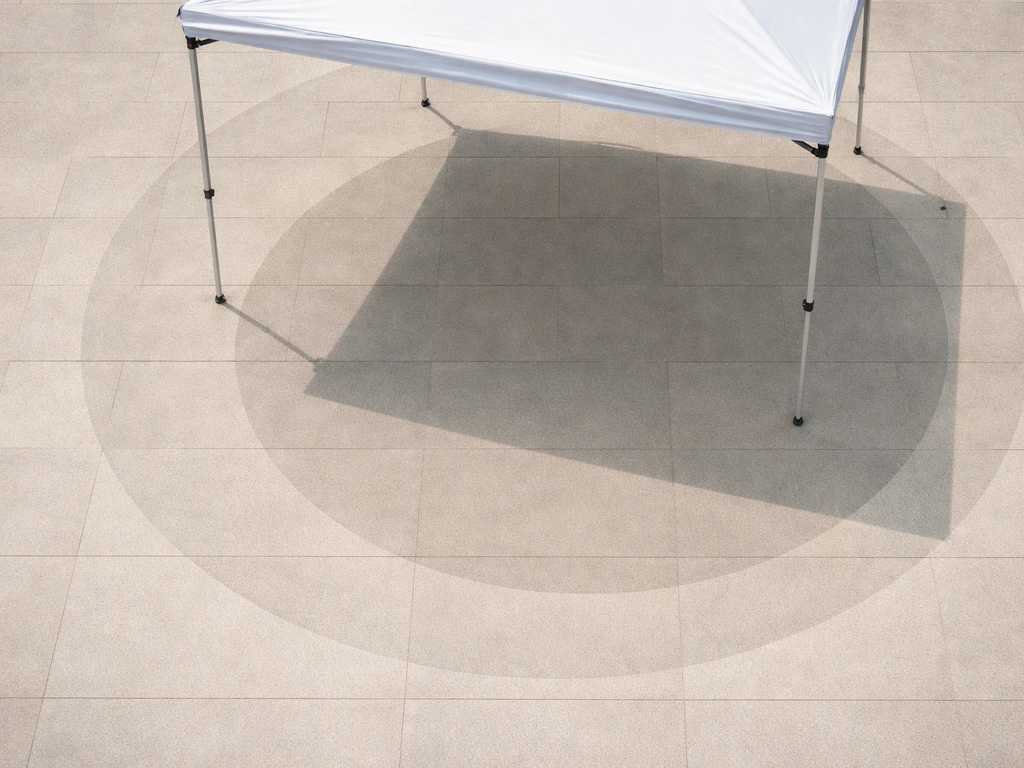
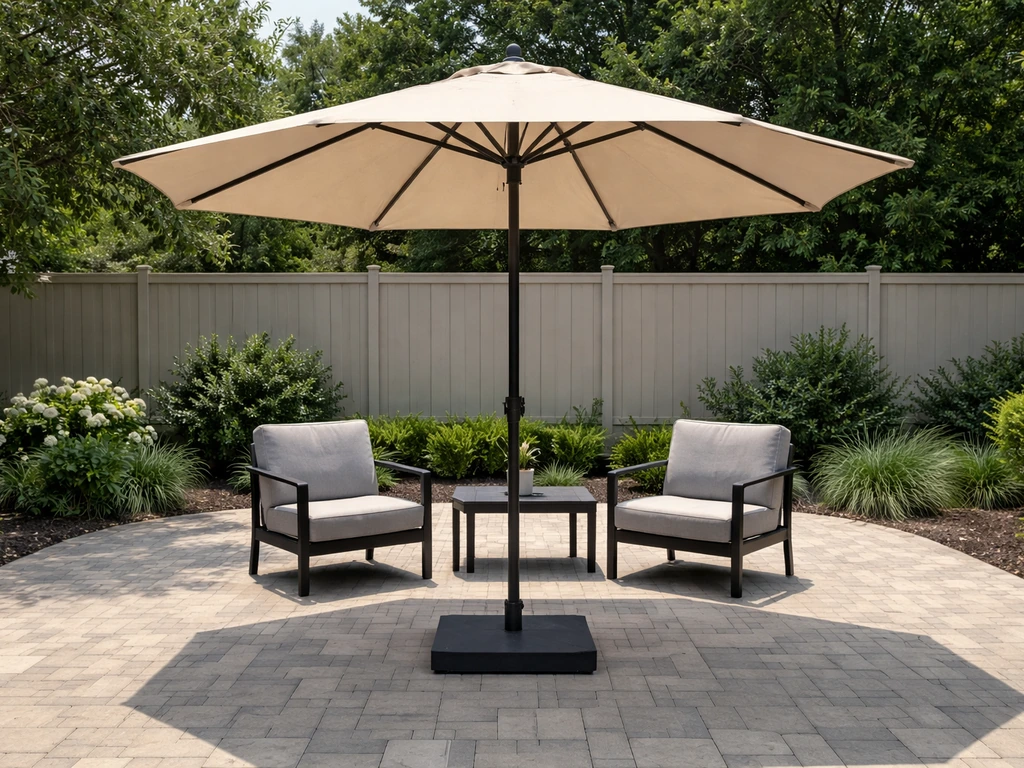
The 11-foot measurement is the canopy diameter, measured tip-to-tip across the panels. It is not the usable shade footprint. In practice, the real shade you get is smaller, because panel angle, tilt position, and sun movement all affect how much of that diameter lands on your table and chairs at any given time. Treasure Garden, for example, lists an 11-foot octagon canopy as providing roughly 85 square feet of coverage, which is the shaded area rather than the full canopy circle.
A practical sizing rule: choose a canopy that extends about 2 feet beyond the edge of the area you want to shade on each side. For a standard 48-inch (4ft) round dining table, that math lands you right at an 11ft umbrella. BBBQGuys’ chart-style buying guide also illustrates this kind of typical pairing by using an “11 foot” umbrella over a dining setup to show a common real-world size match [matching umbrella diameter to table size using BBBQGuys’ sizing examples](https://www.
bbqguys. com/a/28834/learn/outdoor-living/buying-guides/umbrellas/sizes). For a rectangular 6-person table that runs about 60 to 72 inches long, an 11ft umbrella covers the table width comfortably but may leave the ends of a longer table in direct sun unless you tilt it. You also need to think about clearance for moving around the table: plan for at least 3 feet on each side so people can pull chairs in and out without bumping the canopy.
A sizing guide from sxgaobu. com also recommends planning for at least about 3 feet of clearance on each side so the umbrella can open, close, and tilt comfortably [at least 3 feet on each side](https://www. sxgaobu. com/news/how-big-of-a-patio-umbrella-do-i-need-a-complete-sizing-guide.
html).
If your table is smaller (36 to 40 inches round or square), an 11ft canopy is generously oversized, which is not necessarily a bad thing for afternoon sun angles. If you are debating between a 10ft and an 11ft, the extra foot of diameter adds meaningful shade and usually only a modest weight increase. If you are comparing to a 15ft, the differences in base weight, storage space, and price are significant enough to matter.
Market-style vs cantilever: which setup fits your patio
This is the first real decision you need to make, and it drives almost everything else about the purchase.
Center-pole (market-style) umbrellas
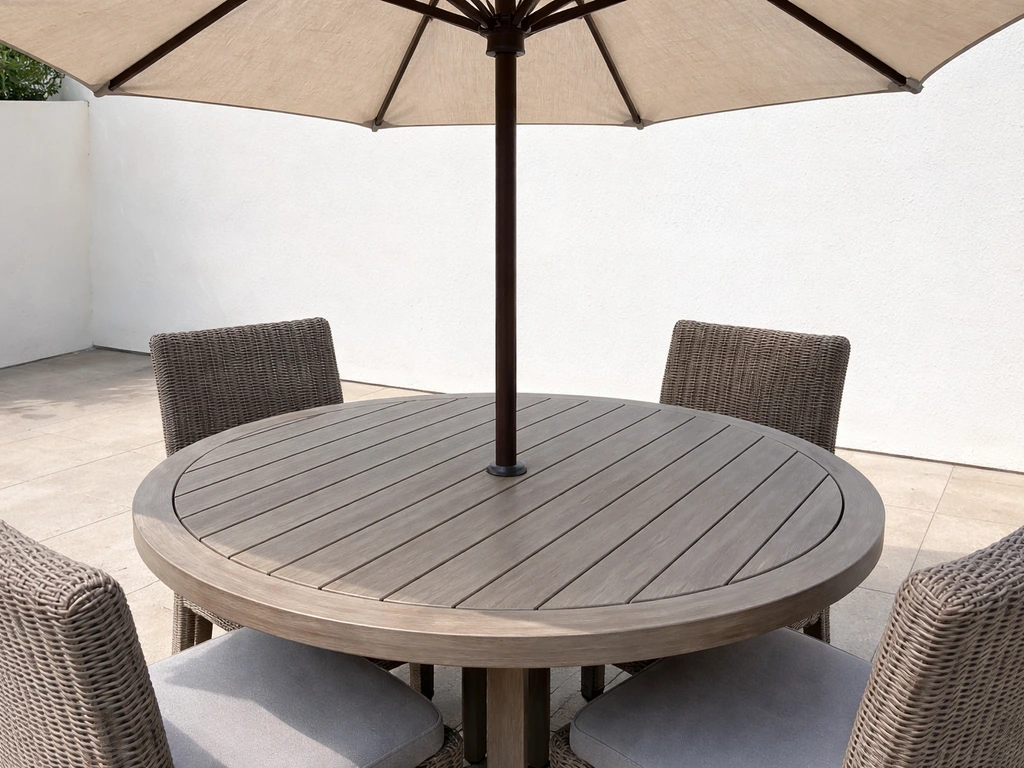
A center-pole umbrella runs a vertical pole through the middle of the canopy and typically through a hole in the center of your patio table. This style is simpler, lighter, easier to find replacement parts for, and generally less expensive. For an 11ft model, a 1.5-inch to 2-inch diameter pole is common, and most quality center-pole umbrellas in this size use either aluminum or hardwood poles. The trade-off is obvious: the pole is in the center of your table, which limits how you can arrange things and means the umbrella is anchored to the table rather than positioned freely.
Center-pole umbrellas pair best with dining tables that have a pre-drilled umbrella hole (usually 1.5 to 2 inches in diameter). They work well for traditional outdoor dining setups where the table stays in one place. If you have a solid table without a hole, you can use a freestanding base, but you lose some of the clean look and add some wobble unless the base is heavy enough.
Cantilever (offset) umbrellas
A cantilever umbrella holds the canopy out to the side from a lateral arm attached to an offset pole, leaving the area underneath completely clear of any center post. This style is more flexible: you can shade a lounge chair setup, a sectional sofa, a hot tub, or a dining table without needing a center hole. Many cantilever models also rotate 360 degrees and tilt in multiple directions, which gives you much more control over where the shade actually lands throughout the day.
The trade-offs are real. Cantilever umbrellas at the 11ft canopy size require heavier, larger bases (often 100 to 200 pounds or more for safety) because the canopy is offset from the pole rather than directly above it. They are more expensive at every quality tier, have more moving parts that can wear out, and take up more footprint with the base and pole. They are also harder to move once set up. If you have a tight patio or a small deck, the base footprint alone can be a problem.
| Feature | Center-Pole (Market) | Cantilever (Offset) |
|---|---|---|
| Price range (quality models) | $100 to $400+ | $300 to $1,200+ |
| Pole in center of table | Yes | No |
| Shade positioning flexibility | Limited (tilt only) | High (rotate + tilt) |
| Base weight needed (11ft) | 50 to 75 lbs typical | 100 to 200+ lbs |
| Best for | Dining tables with umbrella hole | Lounges, sectionals, flexible setups |
| Complexity/moving parts | Low | Moderate to high |
| Wind stability (equal base) | Better (centered load) | More vulnerable (cantilevered load) |
The honest recommendation: if you have a traditional outdoor dining table and want simplicity, reliability, and value, go center-pole. If you want shade over a lounge area or need to move sun coverage around during the day, invest in a cantilever and budget for a proper heavy base.
The specs that separate a good 11ft umbrella from a frustrating one
Canopy fabric: solution-dyed acrylic vs polyester
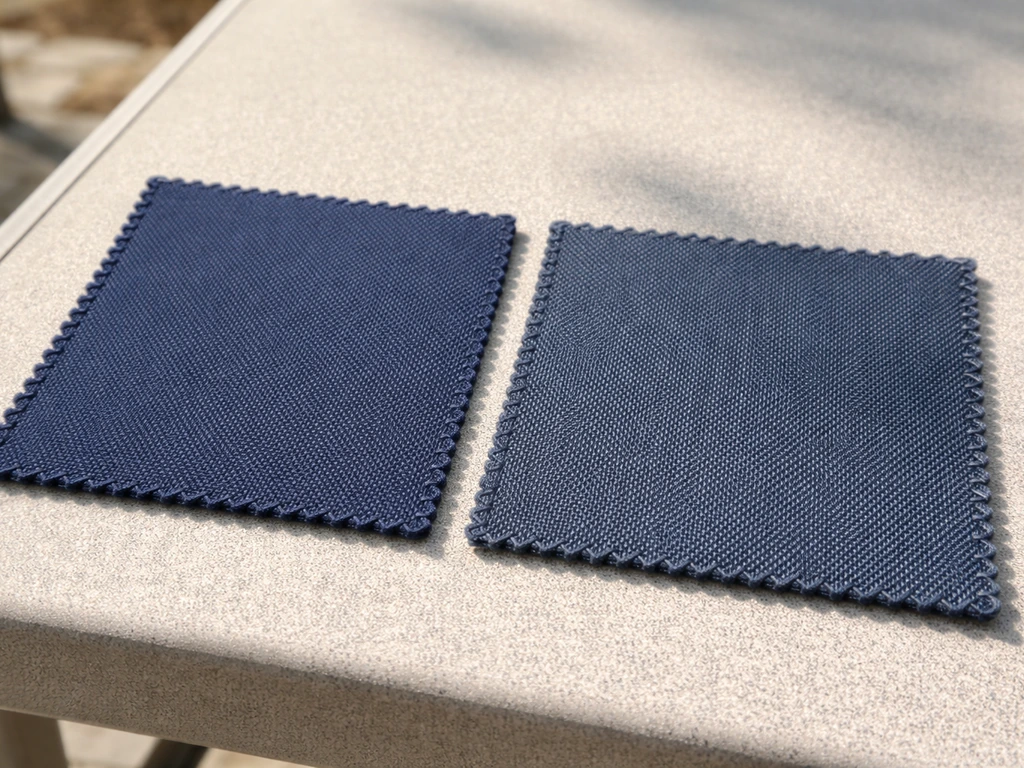
Canopy fabric is the single most important long-term decision. Solution-dyed acrylic (Sunbrella is the most recognized brand, but Outdura, Recacril, and others use the same process) is made by dyeing the fiber before it is woven, which means the color goes all the way through. These fabrics resist fading for years, handle moisture without mildew, and are genuinely easy to clean.
They cost more, typically adding $50 to $150 to the price of an umbrella, but they hold up for 5 to 10 years of real outdoor use. Polyester is cheaper and more common in budget umbrellas. It looks fine out of the box but can fade visibly within a single season in high-UV climates, and it absorbs moisture more readily, which means mildew becomes a real issue.
For an 11ft umbrella that you plan to use for more than a couple of seasons, solution-dyed acrylic is worth the extra cost.
UV protection ratings matter too. Look for a UPF rating of 50+ on the canopy, which blocks 98 percent of UV radiation. Most quality umbrellas advertise this, but it is worth confirming in the product specs rather than assuming. Polyester models are less consistent in their UV ratings as the fabric fades and degrades.
Pole material and diameter
For 11ft market-style umbrellas, aluminum poles are the practical default. They are light, rust-proof, and widely available. Look for a wall thickness of at least 1. 5mm and a pole diameter of 1.
5 inches or larger. Thinner poles flex and eventually crack at the hub where the ribs attach. Hardwood poles (teak, eucalyptus) look beautiful and are genuinely strong, but they require seasonal oiling and can crack if left out through freeze-thaw cycles. Fiberglass poles are rare in center-pole designs but common in cantilever arms because they flex under wind load rather than snapping.
For cantilever umbrellas, the main support arm and the hub connection points are stress concentrators, so cast aluminum or steel components at those joints are worth paying for.
Vents, tilt, and opening mechanism
A double-vented canopy is not just a cosmetic feature. The upper vent allows hot air to escape and, critically, lets wind pass through rather than catching the canopy like a sail. At 11 feet of diameter, the canopy catches a lot of wind. A double vent meaningfully reduces the uplift force the canopy exerts on the pole and base, which matters for stability and for the life of your hub and ribs. Single-vent is acceptable; no vent at all is a warning sign on any umbrella you plan to use on a windy day.
For tilt, push-button tilt (one click tilts the canopy) is the most common and convenient option. Auto-tilt, where tilting is built into the crank mechanism, is smoother but adds mechanical complexity. Collar tilt requires loosening a collar on the pole by hand, which is less convenient but has fewer parts to break. For most people, push-button tilt on a crank-operated 11ft umbrella is the right balance of ease and reliability. Avoid models where the crank and tilt share a single mechanism that has historically had failure reports in user reviews.
Wind stability: what really keeps an 11ft umbrella safe
An 11ft canopy is large enough that wind becomes a genuine safety concern, not just a comfort issue. A canopy this size in a 20 to 25 mph gust generates real uplift and lateral force. Understanding what actually stabilizes the umbrella helps you make smarter choices at every price point.
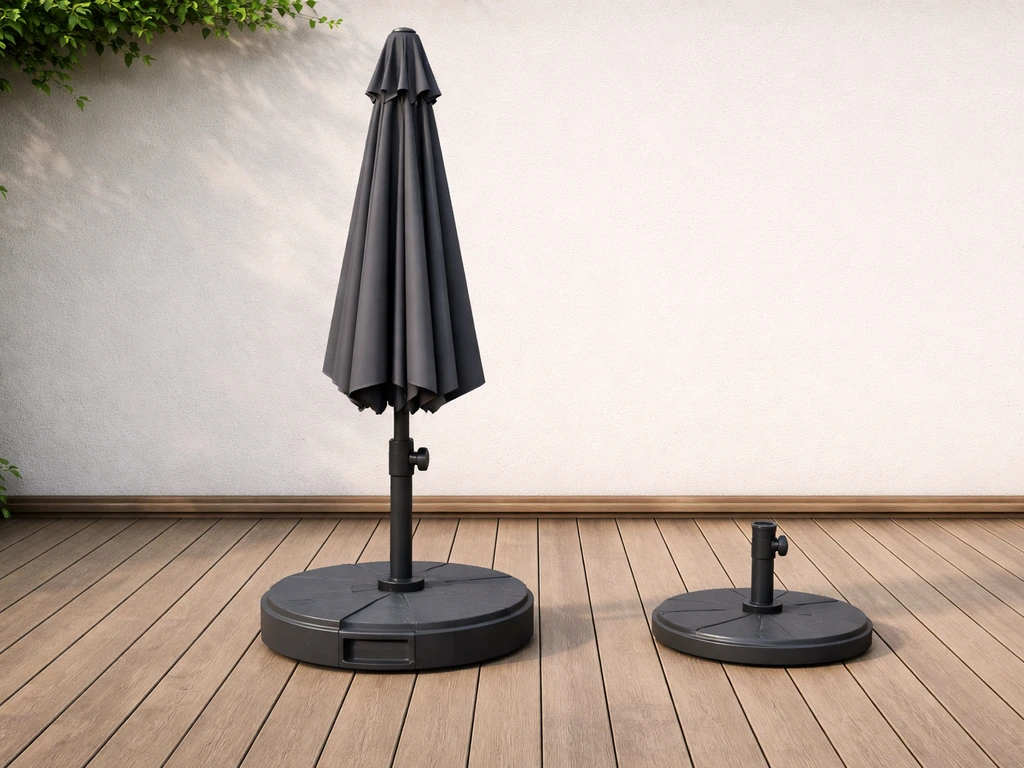
The most important factor is base weight, and it is almost always underestimated. For a center-pole 11ft umbrella in a freestanding base, most manufacturers recommend 50 to 75 pounds minimum; independent testing and user experience suggest you want to be at the high end of that range (65 to 75 lbs) for a patio with any exposure to afternoon wind. For cantilever 11ft umbrellas, base weight requirements jump significantly because the canopy is offset from the pole: 100 to 150 pounds is a realistic minimum, and 200 pounds is better for exposed patios. Some cantilever systems use multiple fillable base plates so you can add sand or water weight on-site.
Venting (covered above) reduces the wind load the canopy transmits to the base. A double-vented canopy is genuinely a wind-safety feature, not just a comfort feature. Similarly, the rib count matters: an umbrella with 8 ribs distributes stress more evenly across the canopy than a 6-rib model, and fiberglass ribs flex under load rather than snapping the way cheaper aluminum ribs can.
The most practical wind safety advice: close your umbrella when you leave the patio and any time wind picks up past about 15 to 20 mph. No base weight or vent design fully substitutes for closing it. An umbrella left open in a 30+ mph gust is a projectile risk regardless of the brand or price point. A crank-operated umbrella with a smooth open-close action makes this more likely to happen consistently, which is an underrated practical reason to pay for a quality lift mechanism.
- Use a base rated for 11ft umbrellas, not a base you already own from a smaller umbrella
- For freestanding center-pole setups, 65 to 75 lbs is the practical minimum
- For cantilever setups, plan for 100 to 200 lbs depending on your wind exposure
- Double vents meaningfully reduce load and protect the hub and ribs
- 8 fiberglass ribs beat 6 aluminum ribs for wind performance
- Close the umbrella any time it is unattended or wind exceeds 15 to 20 mph
- An umbrella cover extends life and removes the temptation to leave it open
Base, mounting, and setup: what you actually need to buy
Table-mounted vs freestanding base
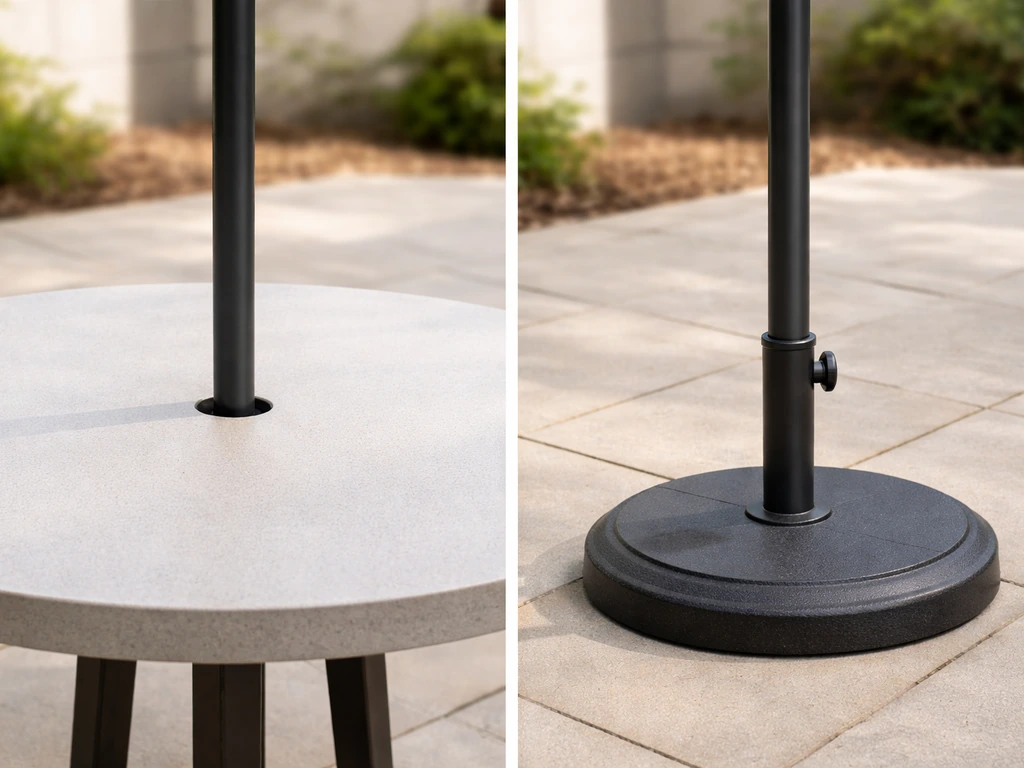
If your patio table has a center umbrella hole (standard sizes are 1.5 inches and 2 inches in diameter), the table itself provides some horizontal stability and you still need a base for the lower pole end. Most dining table setups use a base that sits under the table on the ground, with the pole running through the table hole and secured by a tilt pin or collar at table height. The base in this configuration can be lighter than a purely freestanding setup because the table adds lateral support, but you still want 50 lbs minimum for an 11ft canopy.
For freestanding center-pole umbrellas (no table, or a solid table without a hole), the base is doing all the work. A cross-base or weighted stand rated for 11ft canopies, filled with sand or water to the recommended weight, is the standard solution. Paver-style bases (heavy cast concrete or stone) are attractive but hard to move, which is a real downside if you want to reposition the umbrella seasonally. Fillable plastic bases are flexible and inexpensive but can crack in freezing temperatures if left filled with water.
Clearance and pole height
This is one of the more practical details that is easy to overlook when buying online. Most 11ft market umbrellas have a finished pole height of 8 to 9 feet when fully open. If your patio has a pergola, overhead string lights, or a low roof overhang, measure before you order. The pole finial (the decorative cap at the top) adds another 3 to 6 inches above the canopy hub.
For table clearance, the bottom of the canopy should sit comfortably above seated head height, typically 7 feet minimum. Most standard umbrella poles are designed to achieve this over a 28 to 30-inch dining table, but if you have a taller bar-height table (36 inches), check the canopy clearance spec before buying. Also account for the 3-foot clearance zone around the perimeter of the canopy mentioned earlier: an 11ft umbrella needs at least 17 feet of horizontal clearance to open fully without touching fences, walls, or adjacent furniture.
Accessories worth budgeting for
A fitted umbrella cover is not optional if you want the canopy to last more than two seasons. UV exposure and moisture break down even quality acrylic fabrics faster when they are left open 24 hours a day. A good cover costs $20 to $50 and can double the effective life of the canopy. Beyond that, a sand anchor (for grass or soft surface setups) and a pole tilt pin replacement kit (cheap insurance for the most common breakage point) are smart purchases.
How to pick the best 11ft umbrella for your patio and budget
Before you start comparing specific models, answer four questions: Where is the umbrella going (table hole, freestanding, or over a lounge area)? What is your wind exposure (sheltered courtyard, open deck, or beachside patio)? How much maintenance are you willing to do? And what is your honest budget including the base? Those answers eliminate most of the wrong choices immediately.
Budget-conscious pick ($100 to $200)
At this price, you are getting a polyester canopy with aluminum pole, 6 to 8 ribs, and a crank open with basic push-button tilt. These umbrellas are perfectly functional for a couple of seasons in moderate conditions. Look for 8 ribs over 6, a double vent, and a canopy with a stated UPF 50+ rating. Expect to replace the canopy in 2 to 3 years in a sunny climate. Do not cut corners on the base: budget the most you can for a quality weighted base even if it means buying a slightly less expensive umbrella.
Mid-range value pick ($200 to $450)
This is where the jump to solution-dyed acrylic (Sunbrella or equivalent) becomes affordable, and where pole construction gets meaningfully better. You will typically find thicker-walled aluminum poles, better hub castings, and more reliable crank and tilt mechanisms at this price. A quality 11ft center-pole market umbrella in this range can realistically last 7 to 10 years with basic maintenance. This is the range most homeowners with a standard patio dining setup should be shopping in. Look for warranties of at least 3 years on the canopy fabric and 1 year on the frame.
Premium pick ($450 to $900+)
At the premium tier you are getting commercial-grade construction: thicker pole walls, fiberglass rib systems, premium Sunbrella or Recacril canopies in a wide range of colors, and smoother auto-tilt or infinite-position tilt mechanisms. Brands like Treasure Garden, California Umbrella with their ALTO or CALI series, and Galtech operate in this space for center-pole models. For cantilever 11ft umbrellas, this is really the entry price for a model worth buying: the mechanics of a cantilever demand quality materials to hold up long-term. If durability and appearance matter and you plan to use the umbrella daily for 5 or more years, this tier pays for itself.
The quick decision framework
| Your Priority | What to Look For | Style Recommendation |
|---|---|---|
| Maximum shade coverage | 11ft double-vented, tilt + rotate, solution-dyed acrylic | Cantilever if no table hole; center-pole if dining table |
| Wind-exposed patio | Double vent, 8 fiberglass ribs, heavy base (75+ lbs), easy crank close | Center-pole (more stable under wind load) |
| Low-maintenance fabric | Solution-dyed acrylic (Sunbrella or equivalent), UPF 50+ | Either style; focus budget on canopy quality |
| Budget buyer | Polyester UPF 50+, 8 ribs, double vent, invest in base weight | Center-pole market style |
| Family-friendly daily use | Smooth crank open/close, push-button tilt, 8 ribs, simple mechanism | Center-pole with auto-tilt or push-button tilt |
| Lounge/no table setup | Cantilever with 360-degree rotation, fillable heavy base, fiberglass ribs | Cantilever offset |
One last practical note: measure your patio before you order, not after. Confirm the clearance to any walls, fences, and overhead structures. Check your table's umbrella hole diameter if you are going the center-pole route. And budget for the base at the same time as the umbrella, because the combination is what actually works, not just the canopy on its own. An 11ft umbrella on the right base in the right spot is genuinely one of the best investments you can make for daily outdoor comfort. If you are between sizes, compare this with the best 10ft patio umbrella options to see which one fits your table and clearance needs.
FAQ
Is an 11ft patio umbrella too big for a 4-seat patio set?
It can work, but you need enough horizontal clearance to open fully and enough headroom for people to sit comfortably. If you cannot keep about a 17ft clear width around the umbrella when open, consider a 10ft model or a cantilever positioned for your lounge layout.
How do I estimate shade coverage if the canopy diameter is 11ft?
Use the real shaded area, not the tip-to-tip diameter. Even with good tilt, you should expect the usable shade footprint to be meaningfully smaller than the full circle, because canopy angle and sun position shift the shaded region throughout the day.
Can I use an 11ft center-pole umbrella with a table that does not have an umbrella hole?
Yes, but you will need a freestanding base, and stability will depend entirely on base weight and your patio surface. If your base is under-rated, the center pole will still wobble when the wind catches the canopy.
What base type is safest for an 11ft umbrella on grass?
Choose an anchor designed for soft ground (like an anchor with a secure installation) and pair it with the umbrella base. If the umbrella must be movable, use a fillable base only if it can be kept fully closed and secure in wind, and avoid leaving it open overnight.
Is double-venting really necessary on an 11ft umbrella?
On an 11ft size, it is one of the most practical wind-safety features. Single-vent models can be fine in sheltered patios, but in gusty areas double-venting reduces uplift and helps protect the hub and ribs over time.
How heavy should the base be if I have an 11ft cantilever umbrella?
Treat the lower end of the manufacturer range as a minimum, not a target. For exposed patios, aim closer to the higher end, around 200 lbs, and verify the base can be filled and secured the way the brand recommends.
What wind speed should trigger me to close the umbrella?
Close it when gusts reach about 15 to 20 mph, or any time you see strong swaying. Never assume a heavier base alone makes an open umbrella safe in 30+ mph gusts.
Should I store an 11ft patio umbrella indoors or just cover it outside?
A cover helps, but it is not a complete substitute for storage in harsh weather. If you live in freeze-thaw conditions or heavy rain/snow, plan to store the umbrella (or at least the canopy) off the ground and protect moving parts.
How can I tell whether pole thickness and hardware are actually built for longevity?
Check pole diameter and wall thickness, then look closely at hub and joint construction. Thin poles flex more and are prone to cracking at rib attachment points, while solid cast joints on cantilever arms reduce stress failures.
Do I need a special cover for an 11ft umbrella?
Yes, choose one rated for an 11ft canopy and the specific open height you have. A too-small cover will leave the canopy exposed at corners and seams, which accelerates fading and moisture damage.
Will an acrylic umbrella fade differently than polyester?
Acrylic that is solution-dyed is far more consistent because dye is built into the fiber, so fading tends to be slower. Polyester often looks fine at first but can show noticeable fading within a season in high-UV climates, especially when left open frequently.
How do I prevent mildew on an 11ft umbrella?
Let it fully dry before covering, and do not store it tightly wrapped while damp. Solution-dyed acrylic resists mildew better than polyester, but moisture control still matters for the base, frame joints, and underside of the canopy.
What’s the most common mistake when buying an 11ft patio umbrella online?
Forgetting measurements and base requirements. People often confirm only the canopy size, then discover the pole finial height or the base footprint conflicts with pergolas, string lights, or nearby furniture.
If I’m between 10ft and 11ft, how much difference will I really feel?
The extra foot of diameter often adds meaningful coverage at the table level, especially for morning to afternoon sun angles. The real decision depends on your table length and how much of the ends would be shaded at your typical tilt position.