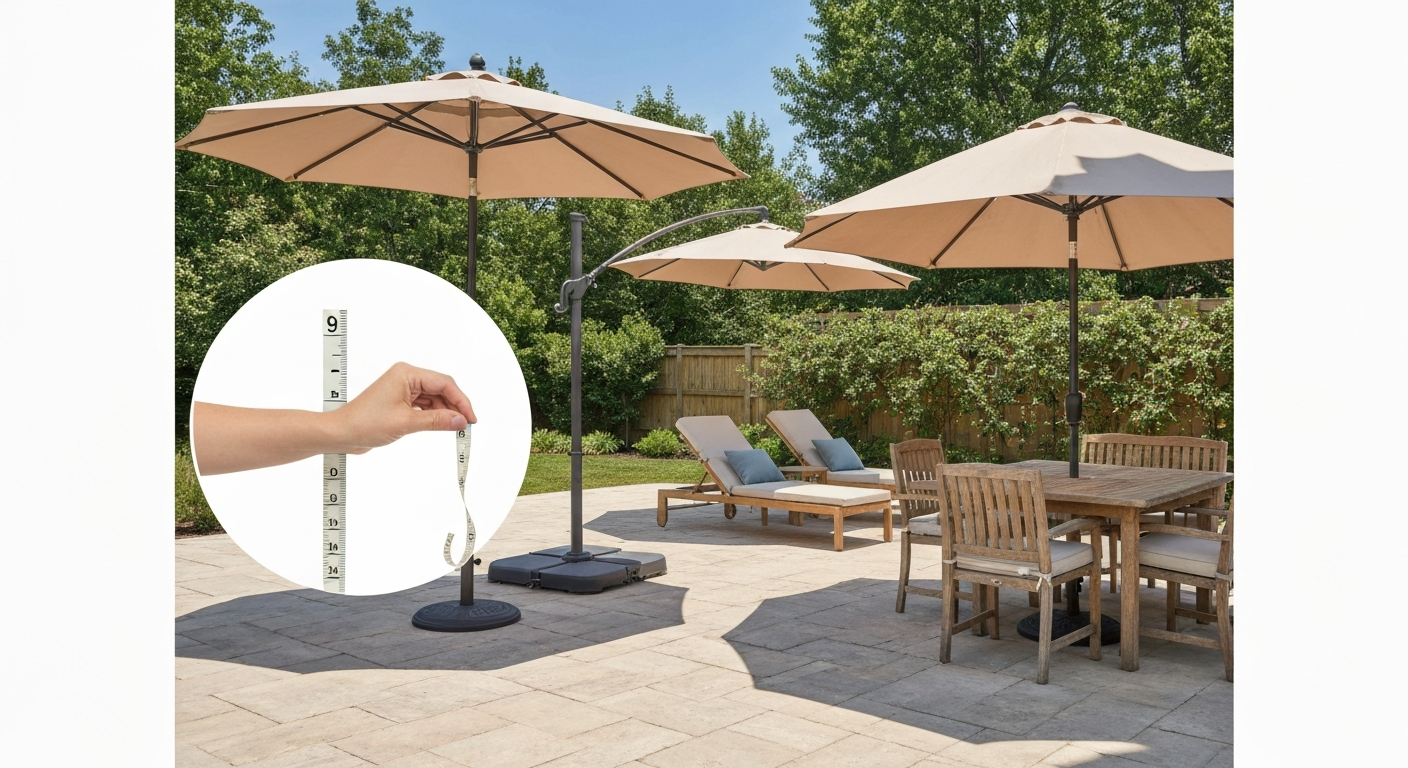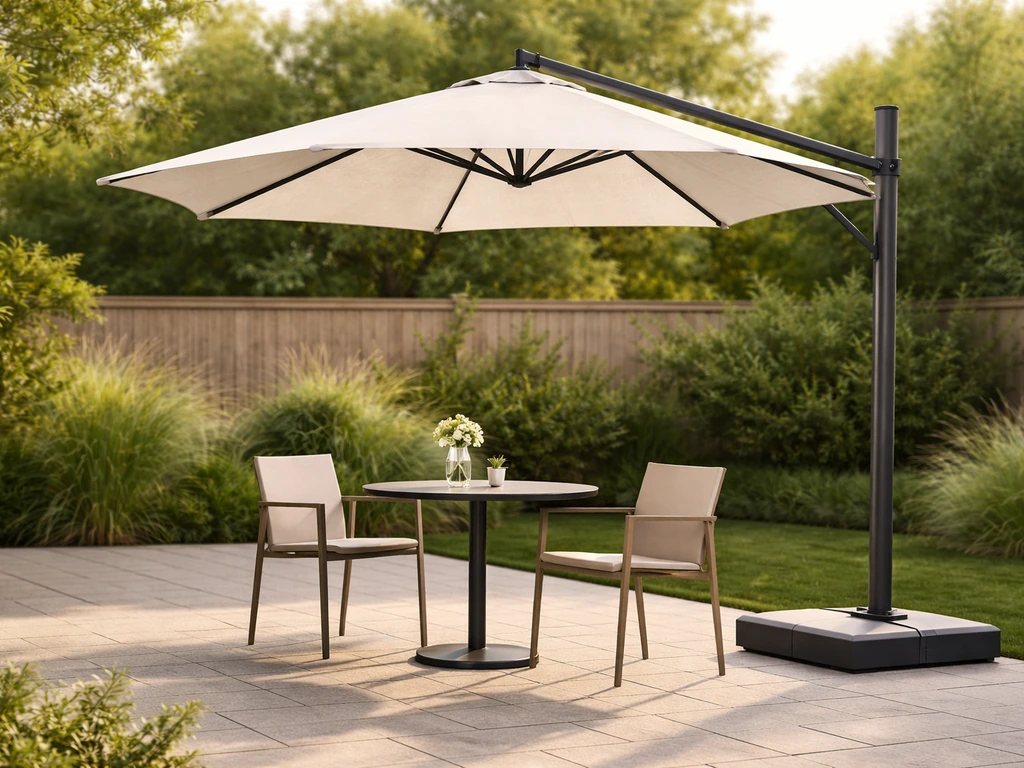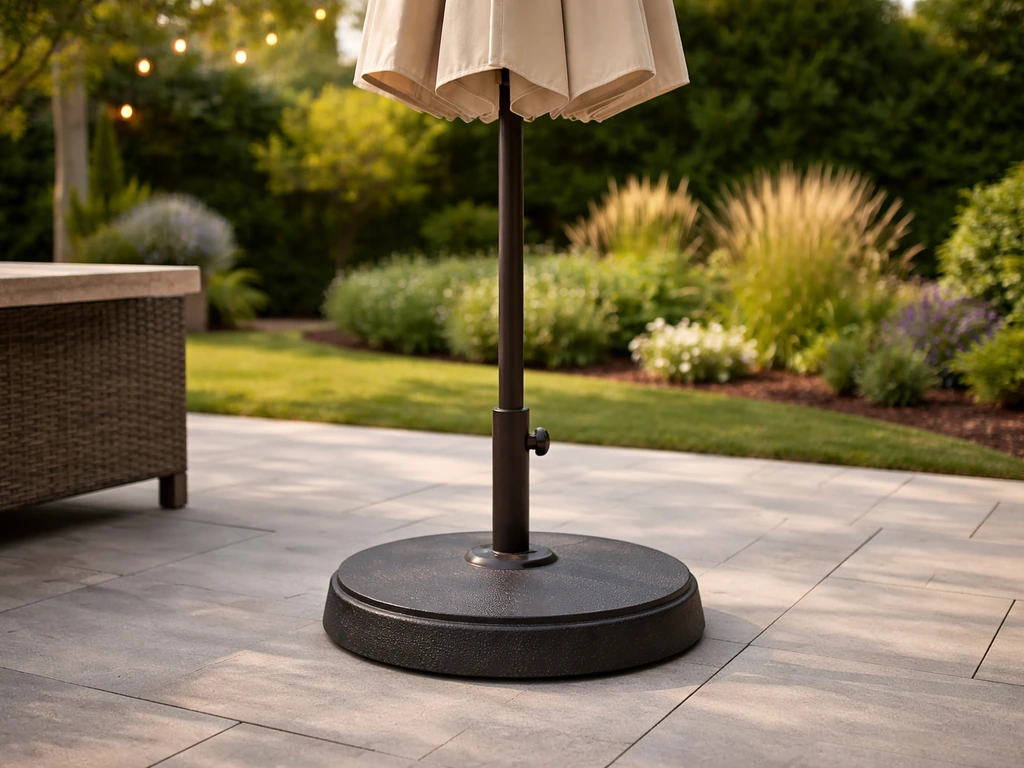
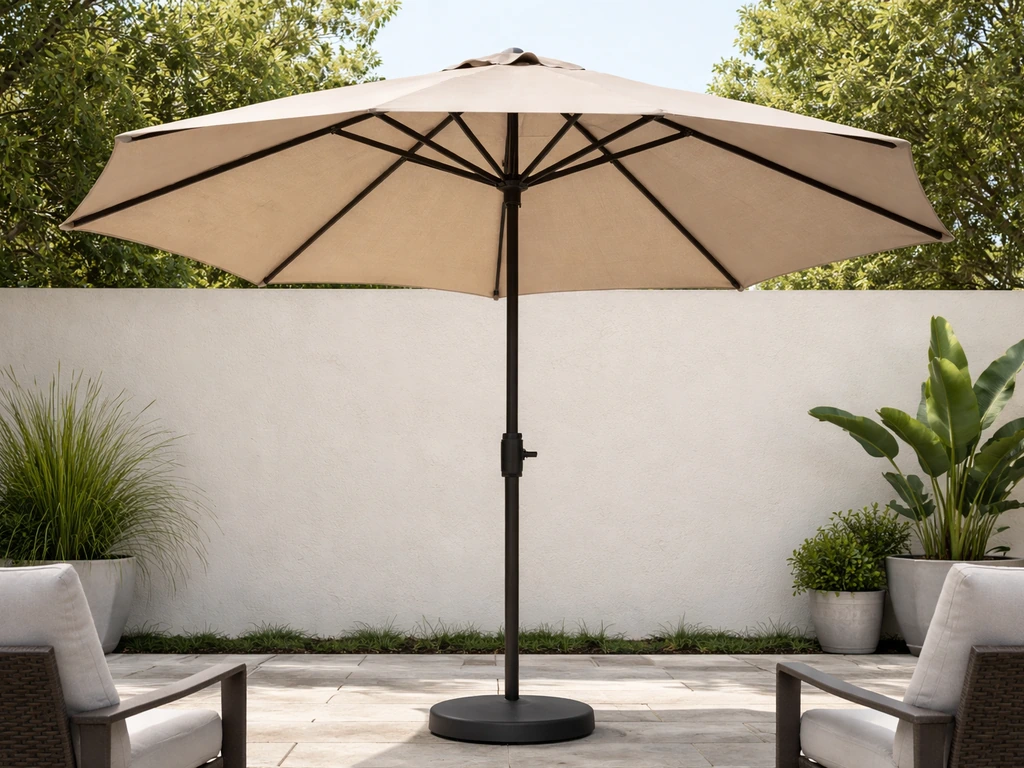
For most patios with a dining table in the 60–72 inch range, a 10ft market umbrella with a solution-dyed acrylic canopy, aluminum frame, and at least 50 lbs of base weight is the best starting point. It covers the table with a couple of feet to spare on each side, holds up to regular sun and light rain, and costs less to set up securely than a cantilever of the same diameter. If your table has a center hole and you're eating outside daily, a crank-lift auto-tilt market umbrella is the most practical pick. If you want shade without a pole in the middle of your seating area, a 10ft offset or cantilever is worth the extra investment in both price and base weight.
Best 10ft Patio Umbrella Buying Guide for Stability and Coverage

Kent Lang
30 May 2026
What "best" actually means for a 10ft umbrella
"Best" shifts depending on what you're trying to solve. For most shoppers, it comes down to four things: stable enough to stay put in a breeze, UV-rated to protect your skin, durable enough to last more than two seasons, and convenient enough to open and close without a project. A 10ft canopy sits in a sweet spot for mid-size patios. It's big enough to shade a 6-person dining table but manageable enough that you don't need an industrial base. When a 10ft umbrella fails, it's usually because someone skimped on one of these four things: they bought a light base, chose cheap polyester fabric that faded in a summer, got a frame with thin ribs that bent in the first windstorm, or picked a tilt mechanism that jammed after a few uses.
The "best" label also depends on your setup. A 10ft market umbrella is the best choice for a dining table with a center hole. A 10ft offset is better if you have a sectional sofa, a pool deck, or any seating arrangement where a center pole would be in the way. Price matters too, but spending more on canopy fabric and frame pays off faster than almost any other upgrade. A quality solution-dyed acrylic canopy can carry a 5 to 10-year warranty. A cheap polyester canopy might look fine for one season.
Measure your space before you buy anything
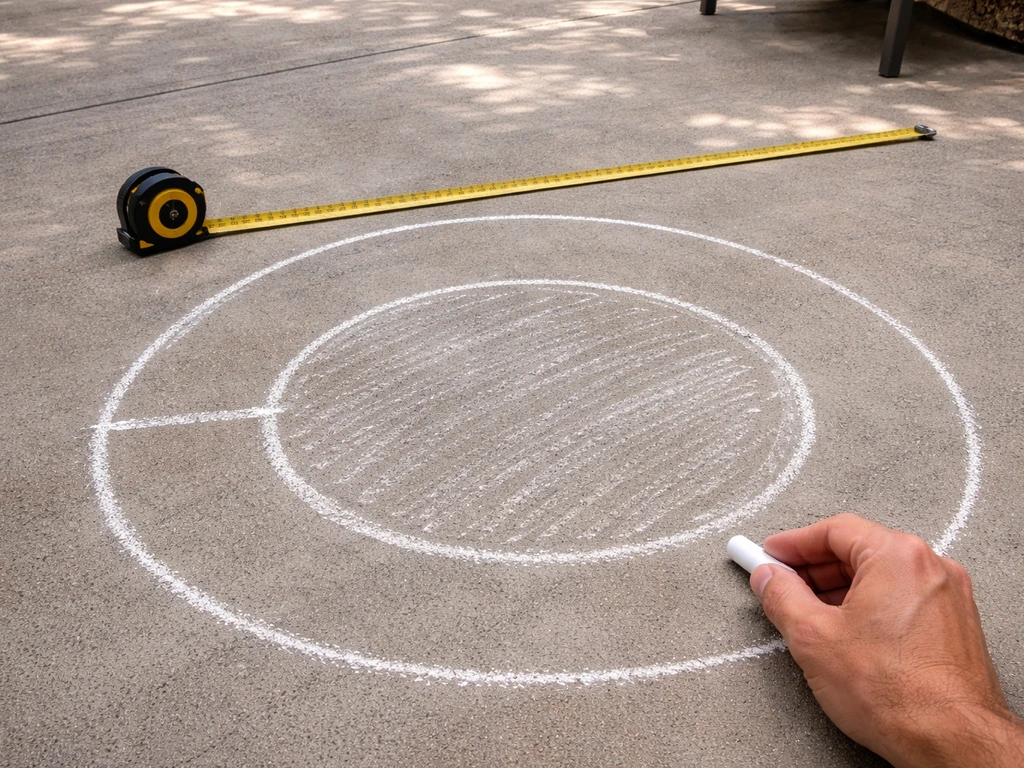
A 10ft umbrella casts shade over roughly a 10-foot circle (or square, depending on canopy shape), but the useful shaded area where you're actually sitting is closer to 8–9 feet once you account for sun angle. Here's how to size it correctly for your situation.
Table size and pole compatibility
A 10ft market umbrella typically comes with a 2-inch diameter pole. That pole diameter matters because it has to fit your table's umbrella hole, and the larger 2-inch pole is designed for bigger tables. According to Kingsley Bate's sizing guidance, a 10ft umbrella with a 2-inch pole is the right match for dining tables in the 60-inch to 98-inch range (that's 5-foot round tables up to large rectangular sets). Smaller tables (30 to 50 inches) are better paired with a 9-foot umbrella on a 1.5-inch pole. Trying to force a 10ft canopy onto a small bistro table looks wrong and tips the balance of the whole setup.
Coverage area and clearance
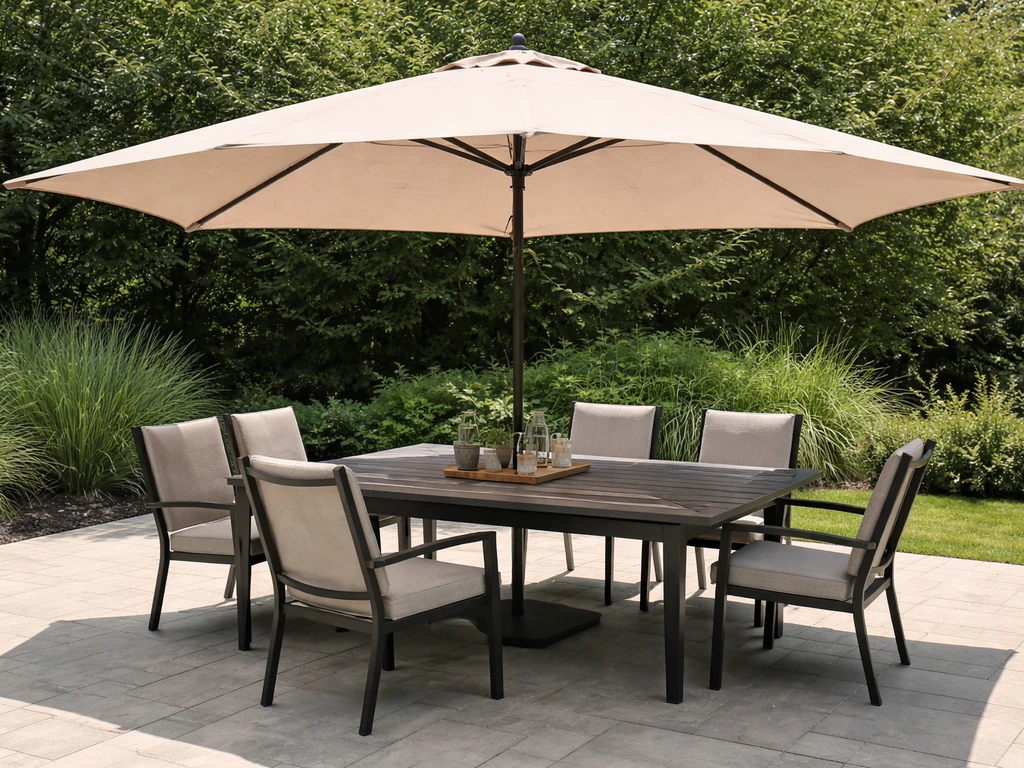
For a market umbrella, aim for the canopy to extend at least 2 feet beyond the edge of your table on each side. That keeps seated guests in the shade even when the sun isn't directly overhead. For a 60-inch (5-foot) round table, a 10ft canopy is just right. For a 72-inch table, a 10ft still works but you'll want to tilt it toward the afternoon sun. Also check the pole height: the ProShade 10ft market umbrella at Costco, for example, lists an overall height of 8.33 feet. Make sure that clears any pergola beams, string lights, or overhead structures you have. For offset umbrellas, the arm extends out and over your seating area, so measure horizontally from the base placement point to the far edge of the shade zone to confirm it fits your deck.
Market umbrella vs. offset: which style fits your patio?
These two styles solve different problems. Here's how they compare across the factors that actually matter for a 10ft umbrella purchase.
| Feature | 10ft Market Umbrella | 10ft Offset/Cantilever |
|---|---|---|
| Pole position | Center pole through table | Off to the side, shade overhead |
| Best use case | Dining table with umbrella hole | Sectional, pool deck, open seating |
| Base weight needed | ~50 lbs (100 lbs in wind-prone areas) | ~175–225 lbs (or 4x 48 lb weights) |
| Base cost | Lower ($30–$80 for a filled base) | Higher ($100–$300+ for weighted cross base) |
| Typical price range | $80–$350 | $150–$600+ |
| Tilt options | Auto-tilt, push-button, collar tilt | 360° rotation + tilt on most models |
| Wind stability | More stable with proper base | More vulnerable due to arm leverage |
| Setup complexity | Simple: pole into table, base on ground | More complex: arm, base, locking mechanism |
For a dining setup, a market umbrella almost always wins on practicality and stability. The center pole gives it a lower center of gravity, and the base sits directly underneath the canopy rather than out to the side. An offset shines when you want unobstructed seating or shade over furniture that doesn't have an umbrella hole, like a deep-seating sectional or a chaise lounge. Just know that a properly anchored 10ft offset requires a serious base: one guide puts the minimum at four 48-lb weights (about 192 lbs combined) for adequate stability. That's a significant commitment in cost, weight, and storage.
If you're considering going larger, a 11ft or 15ft umbrella covers more ground but demands even heavier bases and more structural clearance. If you decide you want more coverage, a best 15 foot patio umbrella is the next step, but expect heavier bases and stricter clearance to keep it stable. If you want more coverage than a 10ft model, comparing the best 11 ft patio umbrella options can help you choose the right size, fabric, and base weight for your space. If you are sizing up, you can compare the best 11ft patio umbrella options to find the right canopy coverage and stability. If you are specifically shopping for the best 11 foot patio umbrella, look for the same essentials: a stable frame, strong canopy fabric, and a properly heavy base for wind. For most standard patios, 10ft is the practical upper limit before setup and stability get complicated.
Build quality: what to check before you buy
Frame and ribs
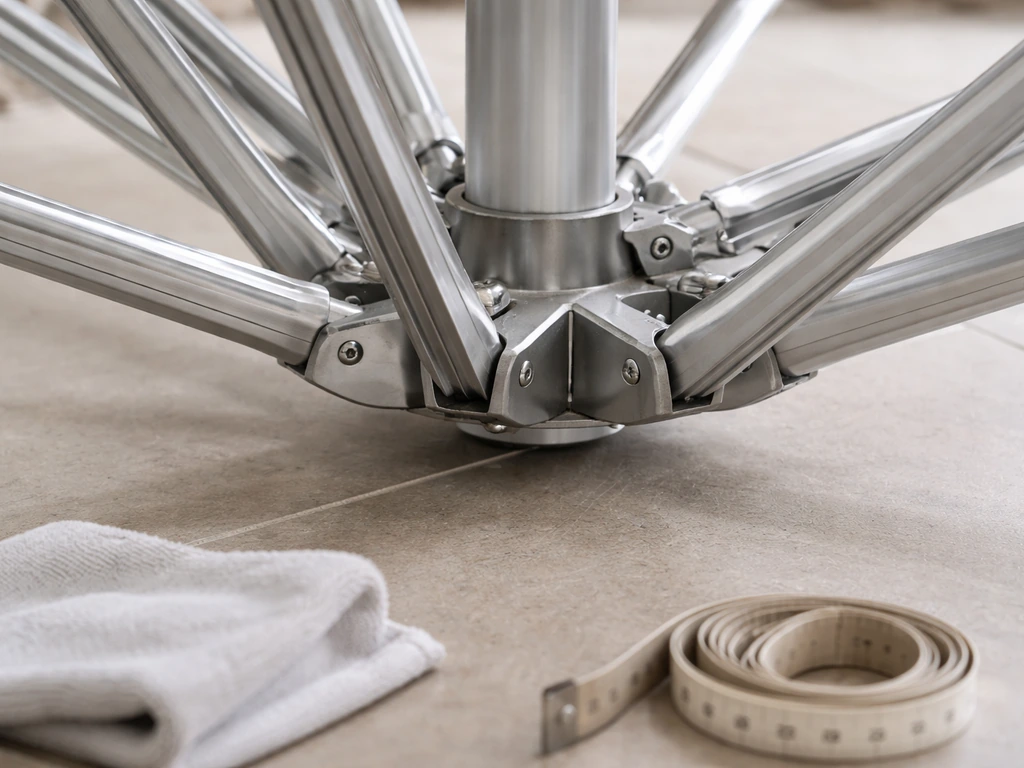
Aluminum frames are the best everyday choice: rust-proof, lightweight, and strong enough for typical residential use. Fiberglass frames cost more but flex rather than snap in wind, which makes them worth it if you're in a gusty climate. Steel frames are heavier and cheaper but will rust over time, especially at joints. For ribs, 8 ribs is the standard count on quality 10ft umbrellas, and you'll see this on both market and offset models from reputable brands. Fewer ribs (6) means the canopy sags between supports and the fabric wears faster. More ribs add stiffness, which matters in wind. Look for ribs described as reinforced or steel alloy rather than standard steel tubes, which can bend in a moderate windstorm.
Canopy fabric
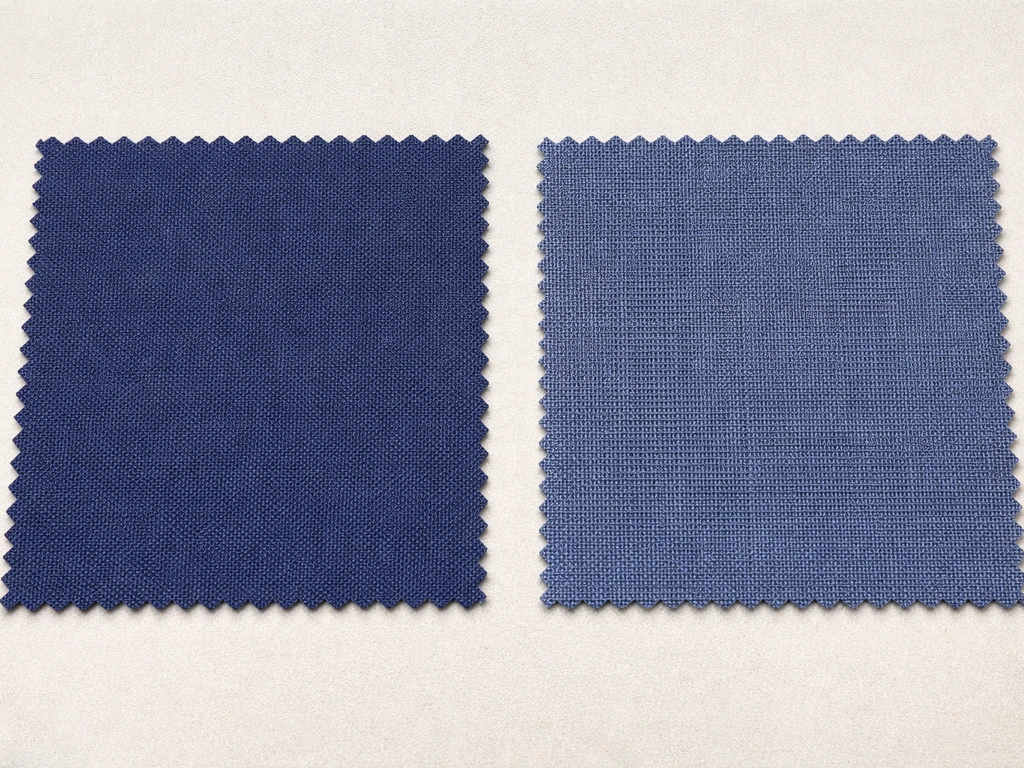
This is where quality differences are most visible after one or two seasons. Solution-dyed acrylic (Sunbrella, Outdura, and Ottertex are the main names) is the top tier. The color is baked into the fiber during manufacturing, which is why it resists fading far better than surface-printed fabrics. Outdura, for example, is rated to block 97.5% of UV rays and carries a UPF 50+ rating, and fabric warranties of 5 years are common. Ottertex solution-dyed acrylic goes up to a 10-year limited warranty. These fabrics also pass water-repellency tests (AATCC 22 spray test for Outdura) and resist mildew. Olefin/polypropylene fabrics like Coolaroo's Xceltex are a solid mid-tier option: they don't absorb water at all (which actually makes them mildew-resistant by nature), and they handle UV well, though color vibrancy over time doesn't quite match acrylic. Standard polyester is the budget tier: it fades faster, absorbs more moisture, and typically comes with no meaningful warranty. It's fine if you're buying a temporary or secondary umbrella, but for a primary patio setup you'll regret it.
| Fabric Type | UV/UPF Rating | Fade Resistance | Water Resistance | Warranty Expectation |
|---|---|---|---|---|
| Solution-dyed acrylic (Sunbrella, Outdura, Ottertex) | UPF 50+, blocks ~97.5% UV | Excellent (1,500+ hrs rated) | Water & stain repellent | 5–10 years |
| Olefin/polypropylene (e.g., Coolaroo Xceltex) | Good UV resistance | Good | Excellent (does not absorb water) | 2–5 years |
| Polyester (standard) | Variable, often UPF 30–50 | Fair to poor | Fair (absorbs moisture) | None to 1 year |
Wind safety and base requirements
This is the part most buyers underestimate, and it's where patio umbrellas cause real injuries. The Consumer Product Safety Commission specifically flags unsecured umbrellas as a tip-over hazard. A common starting rule is 10 lbs of base weight per foot of canopy diameter. For a 10ft umbrella, that's a minimum of 100 lbs under normal low-wind conditions. Some sources put it at 50 lbs for calm environments, but if you're in a region with afternoon gusts, 100 lbs is the safer floor for a market umbrella. For an offset, the leverage of the extending arm multiplies the wind load on the base, which is why offset bases run to 175–225 lbs or more.
The type of base matters as much as the weight. A fillable plastic base (filled with sand or water) is the most common option and works well when filled completely. Sand is heavier and doesn't freeze in cold climates the way water can. An in-ground anchor sleeve is the most stable option if you have a concrete patio and are willing to install one. A cross-base weighted system (used with most offset umbrellas) distributes weight across four arms, which helps stability but takes up more floor space.
- Always close the umbrella when you leave the patio or when wind picks up, regardless of base weight. No base compensates for a fully open canopy in a storm.
- Instruction manuals for offset umbrellas commonly rate them as "suitable for rain showers and light wind" — take that seriously and close at the first sign of strong gusts.
- Use the tilt mechanism to reduce wind load: a tilted canopy at an angle catches less wind than one open flat.
- If your base is on a deck, consider strapping it to a deck rail post with a cable for extra security.
- Check that the pole fits snugly in the base collar — wobble at the joint is a sign the base is undersized or the collar insert is worn.
Tilt, crank, and daily usability
If you open and close your umbrella every day (which you should for longevity), the lift and tilt mechanism matters a lot. Crank-lift is the standard on quality 10ft umbrellas and is much easier to operate than a simple push-up design. The ProShade 10ft at Costco uses crank lift with auto-tilt, meaning you continue cranking after the canopy is open and the tilt engages automatically. Treasure Garden's auto-tilt umbrellas work the same way: crank to open, keep cranking to tilt, no separate collar adjustment needed. That's the most convenient design for daily use and works well for tracking the sun through the afternoon.
The other tilt options you'll see are collar tilt (you twist a collar on the pole to tilt after opening) and push-button tilt (press a button partway up the pole to tilt). Both work, but auto-tilt is the smoothest experience. For offset umbrellas, most quality models include 360-degree rotation plus independent tilt, which gives you more precise sun-tracking than a market umbrella. Check that any umbrella you consider has a secure locking position for the tilt so the canopy doesn't drift back to vertical on its own during the day.
Pick the right 10ft umbrella for your budget and space
Here's how to narrow it down based on what you actually need.
Budget range: under $150
At this price, you're getting a steel or aluminum frame with a polyester or entry-level olefin canopy. Look for 8 ribs, a crank lift, and at least a basic tilt option. The Costway 8-rib steel tilt market umbrella is a representative pick in this range. Expect 2–3 seasons of use if you close it consistently and cover it in off-season. Don't expect the canopy color to look great in year three. Spend the savings on a quality fillable base (at least 50 lbs when filled) and a UV-protective cover for storage.
Mid-range: $150–$350
This is where the quality jump is most noticeable. You can get an aluminum frame with a solution-dyed acrylic canopy (Outdura or similar), crank-lift auto-tilt, and 8 reinforced ribs. The ProShade 10ft at Costco lands in this territory and checks most of the boxes: Outdura fabric, auto-tilt with 360-degree rotation, crank lift, and a 10ft diameter canopy on an aluminum frame. This is the sweet spot for most homeowners who want something that looks good and lasts 5+ years with basic care.
Premium range: $350 and up
At this level you're typically getting branded Sunbrella fabric, commercial-grade aluminum or fiberglass construction, and longer warranties. Brands like Treasure Garden fall here. It's worth it if you have an expensive outdoor dining set you want to protect, you live somewhere with intense UV or coastal salt air, or you entertain frequently and want an umbrella that holds up to heavy use. For offset umbrellas, budget $300–$600 for the umbrella alone and factor in another $150–$300 for a proper weighted base system.
Your selection checklist
- Measure your table: 60-inch or larger tables are the right fit for a 10ft market umbrella with a 2-inch pole.
- Measure overhead clearance: make sure a pole height of ~8.3 ft clears any structures above.
- Choose your style: market umbrella for dining tables with a center hole; offset/cantilever for open seating without a pole.
- Pick canopy fabric: solution-dyed acrylic for longevity (5–10 year warranty); olefin as a solid mid-tier; skip standard polyester if you want it to last.
- Confirm 8 ribs and aluminum or fiberglass frame (not plain steel).
- Select a crank-lift with auto-tilt for the easiest daily operation.
- Size your base: minimum 50–100 lbs for a 10ft market umbrella; 175–225 lbs for a 10ft offset.
- Buy a cover at the same time: a fitted UV-protective cover extends canopy life significantly.
- Close the umbrella whenever wind picks up or when it's unattended.
One last thing: buy the base and cover at the same time as the umbrella, not as an afterthought. A great umbrella sitting in a flimsy base, or left open to UV and rain when not in use, won't last. The full package (umbrella, base, cover) is what makes a 10ft patio umbrella worth the investment.
FAQ
What size 10ft patio umbrella should I buy if my table is rectangular or not centered on the seating area?
Use the rule of extending the canopy at least 2 feet beyond the table edge on each side, then check “clear shade,” meaning the farthest seat from the pole still falls under the canopy when tilted. For rectangular tables, measure the longest side that guests sit along, and confirm the umbrella can rotate or tilt without the pole or frame blocking the opposite end of the table.
Can I leave a 10ft patio umbrella open overnight or when it rains lightly?
It’s safer to close it, then open in daylight. Even UV-rated acrylic can degrade faster if it stays open through heavy rain and overnight dew, and water-repellent fabric can eventually pick up residue that stains. If you must leave it open briefly, use a cover and ensure it is firmly locked in the tilt position to reduce flutter.
How do I estimate the correct base weight for a 10ft patio umbrella if I get windy afternoons?
Start with the 100 lb floor for a market umbrella, and go heavier if your patio sees gusts or open exposure (near corners, open fields, or higher floors). For an offset, do not assume the same numbers, because the arm increases wind leverage, the base often needs 175 to 225+ lbs, and lighter “filler” bases usually shift sooner.
My umbrella doesn’t fit my table’s umbrella hole. What should I check besides pole diameter?
Confirm the hole diameter and the pole’s top collar or sleeve size, not just the labeled diameter. Also check the insertion depth, some poles sit differently due to the lift system, and aftermarket pole sleeves are not always compatible with auto-tilt market umbrellas.
Is a crank-lift with auto-tilt worth it compared with manual tilt, especially if I only open it a few times a week?
If you open and close frequently, auto-tilt is more consistent and less likely to jam because it uses the same motion sequence to lock the canopy angle. If you use it only occasionally, manual tilt can be fine, but prioritize a tilt mechanism with positive locking positions, since drifting back toward vertical is a common frustration during afternoon sun changes.
How can I tell if the 10ft patio umbrella I’m considering has a truly UV-protective canopy?
Look for a stated UPF rating and a solution-dyed acrylic or rated UV fabric description, not just “fade resistant.” UPF claims often come from test conditions, so check whether the warranty period is meaningful (examples in the market include several-year fabric coverage for acrylic), and avoid polyester that lacks a real warranty for the canopy.
What storage practices actually make a 10ft patio umbrella last 5+ years?
Close it when not in use, use a breathable cover, and keep it clean before covering to prevent mildew stains. If you store it indoors, let it fully dry after humid days, and avoid dragging the canopy over rough surfaces that can fray ribs or abrasions.
How do I protect my 10ft patio umbrella on a windy day without constantly removing it?
Use the lowest stable tilt that still blocks the sun, then lock the mechanism fully, and consider temporarily closing it during gusty hours. If your patio is exposed, a heavier base plus a cover is more effective than adjusting tilt alone, since wind flutter usually comes from insufficient base mass or incomplete locking.
What’s the difference between a market and an offset 10ft patio umbrella for a sectional or chaise lounge setup?
A market umbrella works best when you can tolerate the center pole because the base stays directly under the canopy and creates lower leverage wind loads. An offset is better when seating has no umbrella hole or when you want more open floor space, but it demands a stronger, wider base setup and careful horizontal clearance measurement from where the base will sit.
Do I need to buy the base and cover at the same time, or can I match later?
Matching later is possible but risky, because base fit depends on pole adapter and weight distribution, and cover sizing depends on canopy diameter plus the closed height. Buying as a bundle helps ensure compatible pole diameter, correct fit around ribs, and adequate storage coverage for the full frame length.