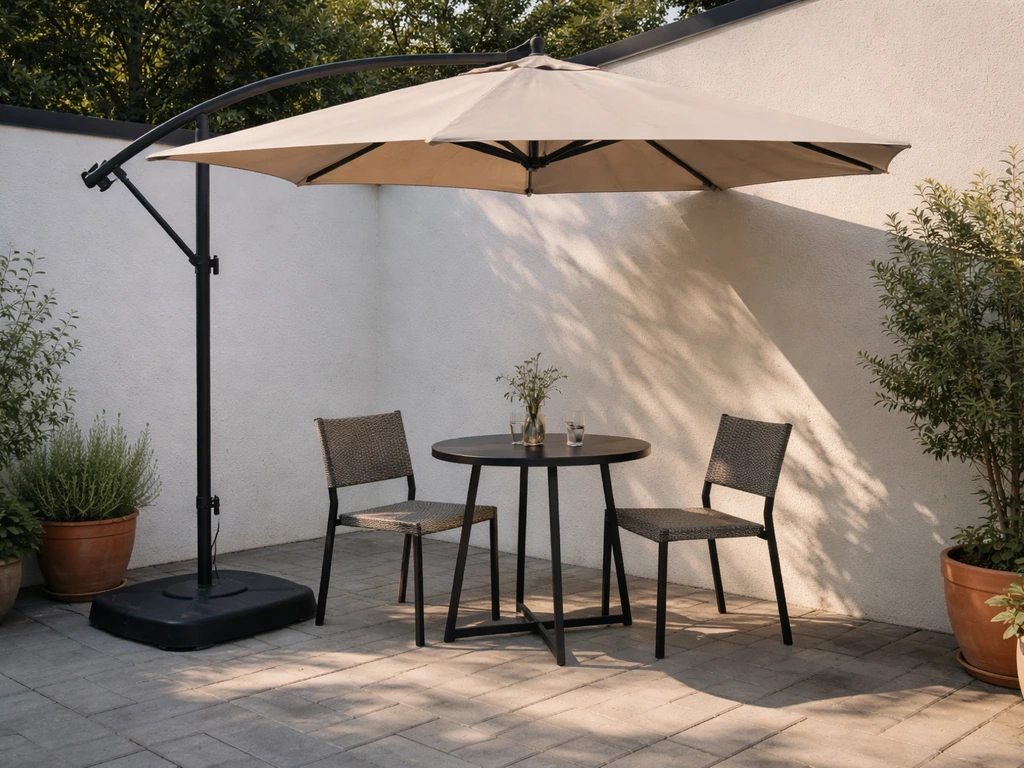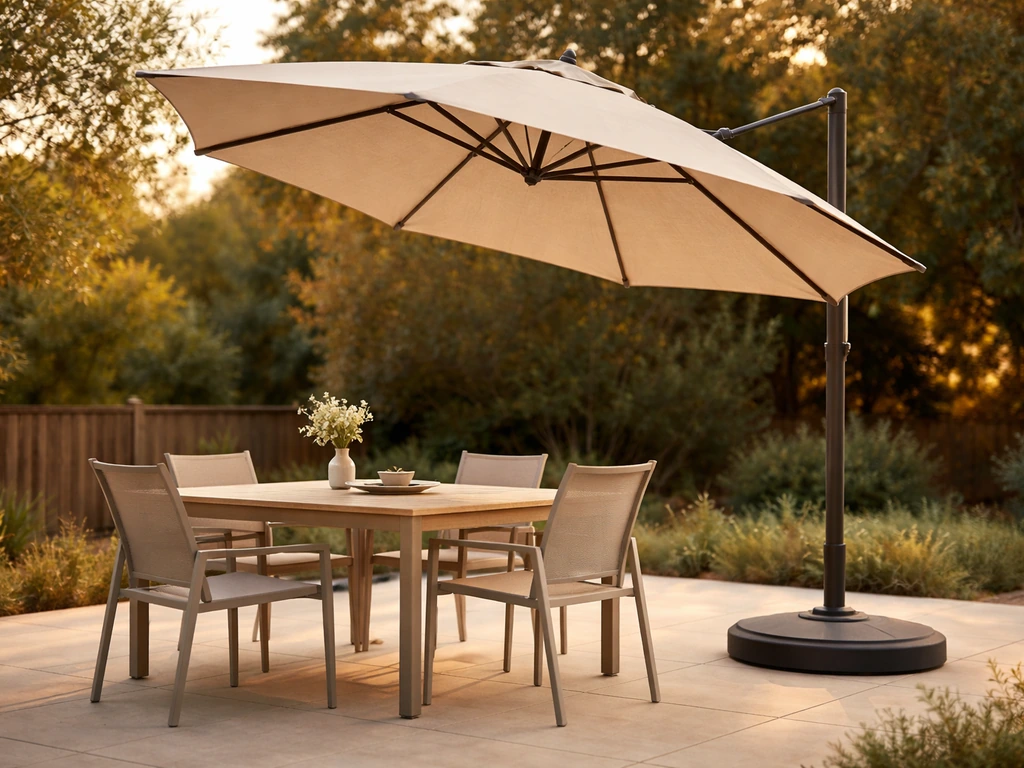
The best patio umbrella on Amazon for most people is an 11-foot market or cantilever umbrella with a powder-coated aluminum frame, a 240 gsm polyester canopy rated UPF 50+, and a base weighing at least 50 pounds. That combination covers a standard 4-to-6 person dining table, handles everyday wind, and holds up through multiple seasons without rusting or fading. The right pick for you depends on your table shape, how much open space you have, and your honest wind exposure, so here is how to work through those decisions and shop Amazon with confidence.
Best Patio Umbrella on Amazon: Buyer Guide by Type and Size

Kent Lang
3 Jun 2026
How to choose the best patio umbrella on Amazon for your space and budget
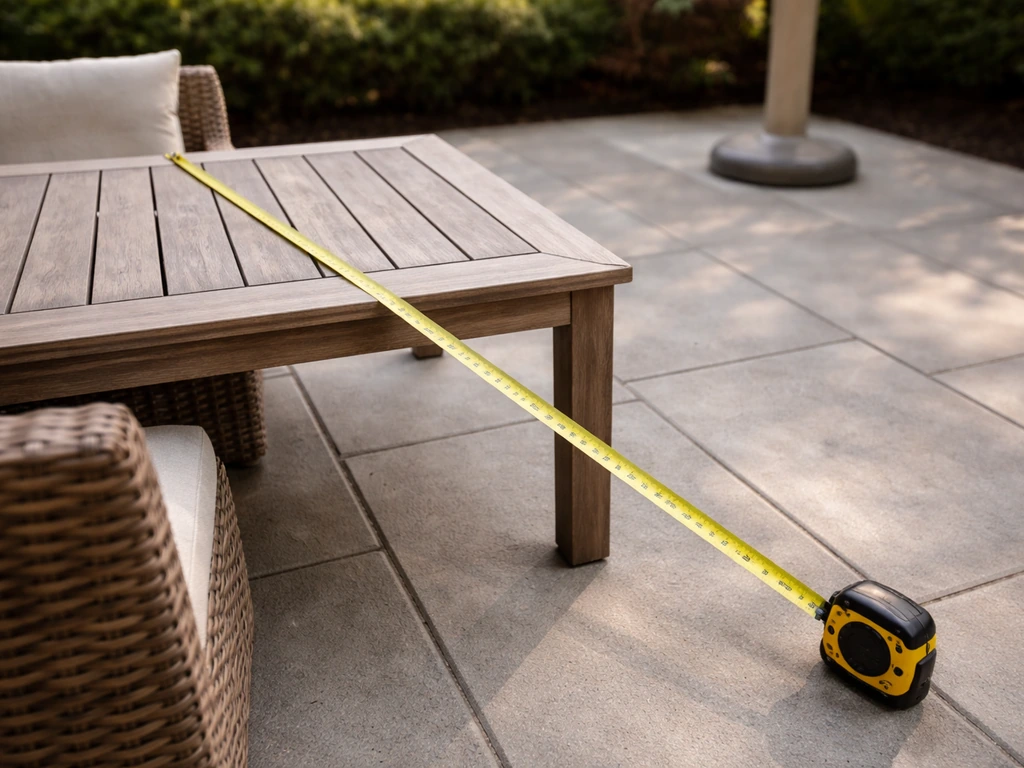
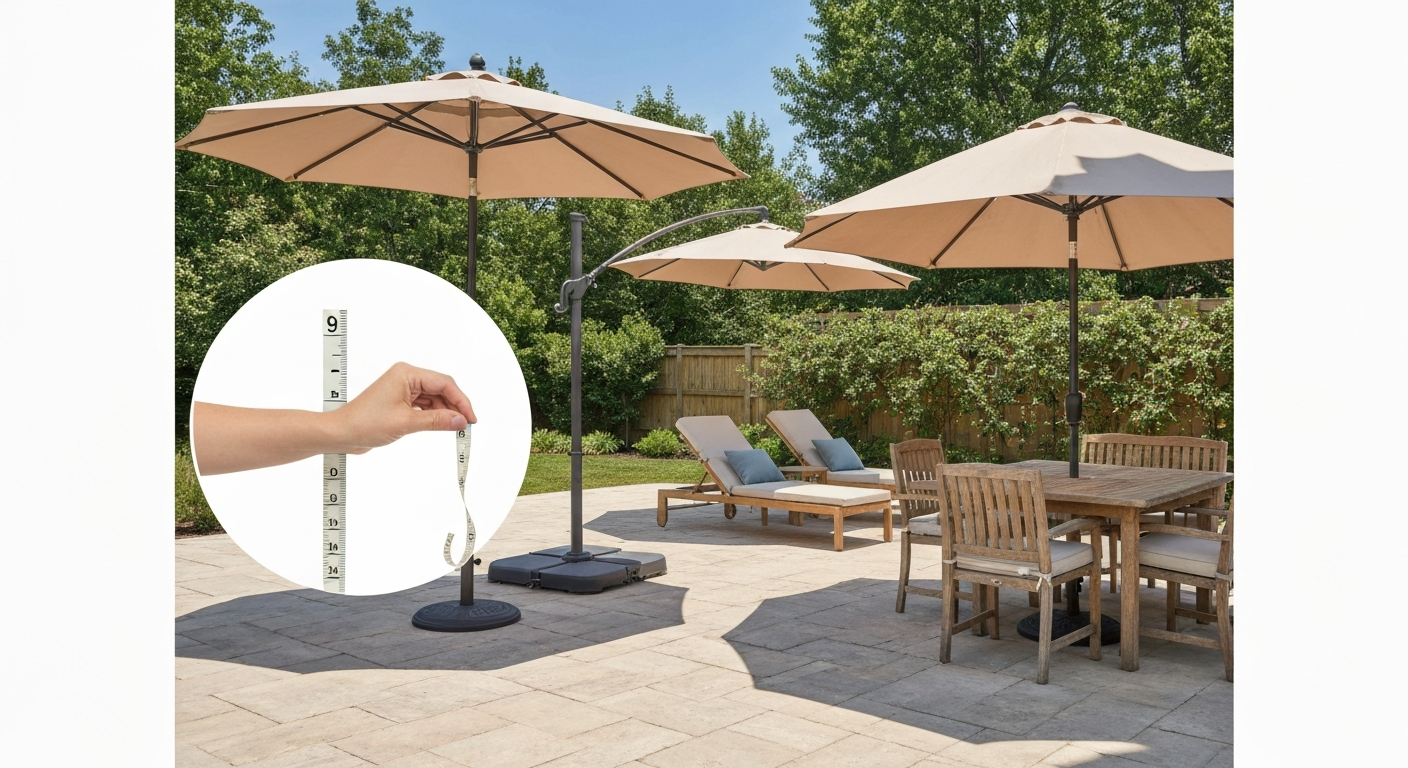
Before you open a single Amazon listing, grab a tape measure. Know the length and width of your table, and roughly how much open space surrounds your seating area. Those two numbers filter out probably 80 percent of wrong choices before you read a single review. Budget matters too, but I'd frame it this way: spend less on the canopy style if you have to, but do not cut corners on the frame material or the base weight. A cheap frame on an expensive canopy is still a wobbly, rust-prone umbrella in year two.
On Amazon, use the filter sidebar to narrow by size, frame material, and tilt type. Search terms like '11ft aluminum market umbrella UPF 50' or '11ft cantilever offset umbrella with base' pull up the most relevant listings. Ignore products that list 'windproof' without specifying a wind speed rating or vent design, and skip any listing that does not state the canopy fabric weight in grams per square meter (gsm) or at least mention UV protection explicitly. Those omissions usually mean the specs are soft.
For budget, plan around three tiers. Under $80 gets you a basic 9-foot market umbrella, fine for a small bistro table. The $100 to $200 range is the sweet spot: 11-foot aluminum market umbrellas and mid-range cantilevers with tilt functions land here, and competition is fierce so quality is genuinely solid. Above $200, you are paying for heavier-gauge aluminum, better fabric coatings, smoother crank mechanisms, and more complete base systems. If you are outfitting a permanent entertaining space, that extra spend is worth it.
Market vs. cantilever vs. offset: which type is right for you
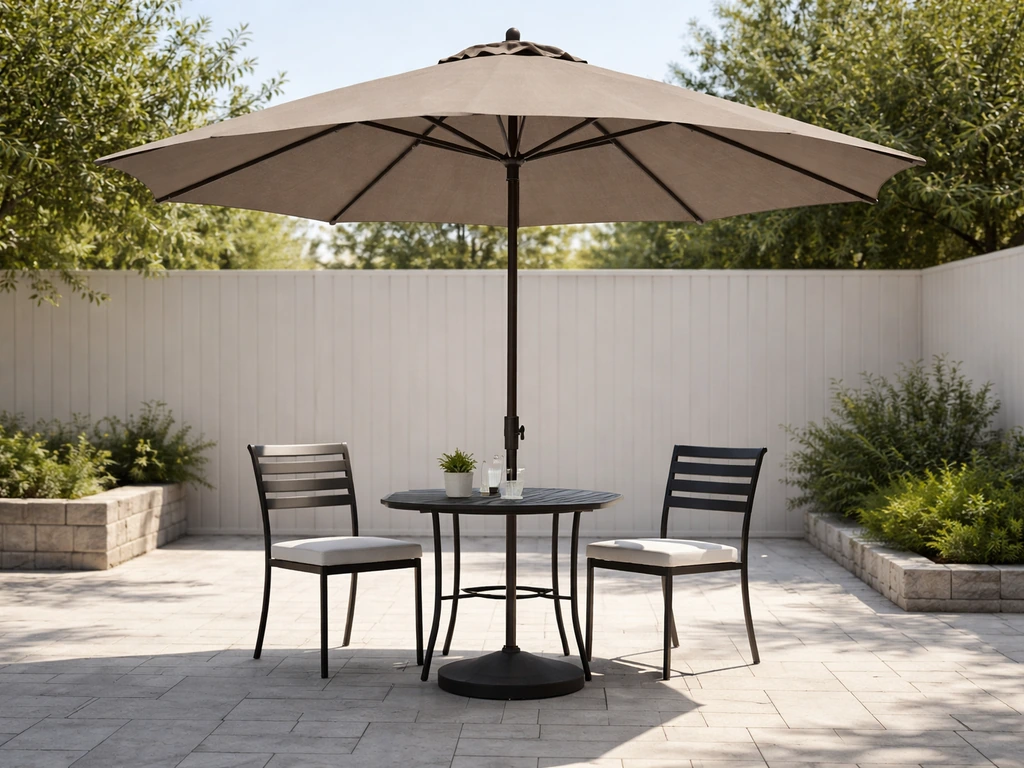
These three terms get used interchangeably on Amazon, which is frustrating, so let's sort them out. A market umbrella is the classic center-pole design: the pole goes straight through the middle of your table via a pre-drilled hole. It is the simplest, most affordable, and most stable type because the weight is centered. A cantilever (also called offset) umbrella has its pole off to one side and the canopy extends out over your seating area with no center obstruction. It is more expensive, requires a heavier base, and gives you completely unobstructed shade. Some listings use 'offset' and 'cantilever' as synonyms, and for practical shopping purposes they are.
There is a third style worth knowing: the wall-mount or tilt-post umbrella, which anchors to a deck railing or post. These are niche products and most readers do not need them. Stick to market or cantilever depending on your setup.
| Type | Best for | Base needed | Typical cost | Main trade-off |
|---|---|---|---|---|
| Market (center pole) | Round or square tables with a pole hole; smaller budgets | 50 lbs minimum | $40–$150 | Pole blocks center of table; needs table with hole |
| Cantilever / Offset | Rectangular tables, lounge chairs, pool areas, no center pole | 75–100 lbs or included weighted base | $120–$400+ | More expensive; base takes up floor space |
| Wall/post mount | Narrow balconies, small decks with no floor room | Bolted mount or railing bracket | $80–$200 | Limited repositioning; requires structural anchor |
My honest recommendation: if you have a standard patio dining table with a center hole, go with a market umbrella and put the savings toward a heavier base. If you have a rectangular sectional, lounge chairs, or a pool deck where you need to shade people in different spots, a cantilever is the right call despite the higher price.
Sizing and coverage: how big does your umbrella actually need to be

The area covered by an umbrella grows with the square of the radius, which means going from a 9-foot to an 11-foot umbrella is a bigger jump than it looks. A 10-foot umbrella covers roughly 78 square feet; an 11-foot model bumps that up to about 95 square feet. For a 6-person dining table that is typically 60 to 72 inches long, an 11-foot round umbrella is usually the minimum. For a 4-person table (48 inches or less), a 9-footer works fine.
Here is a practical rule: your umbrella's diameter should extend at least 2 feet beyond the table's edge on each side. That means a 48-inch (4-foot) wide table needs roughly an 8-foot minimum, and a 60-inch table needs at least 9 to 10 feet. Bumping one size up is almost always worth it for afternoon shade when the sun is at a low angle.
Shape matters just as much as diameter. If your table is wider than about 42 inches and rectangular, a round market umbrella will leave the long sides exposed. In that situation, either go with a rectangular or oval canopy, or choose an offset cantilever that you can position to cover the whole length. Rectangular tables are one of the main reasons people end up happier with a cantilever even at a higher cost.
| Table size | Recommended umbrella diameter | Style suggestion |
|---|---|---|
| Bistro / 2-person (30–36 in) | 7.5–9 ft | Market |
| 4-person (42–48 in) | 9–10 ft | Market or small cantilever |
| 6-person round (54–60 in) | 11 ft | Market or cantilever |
| 6–8 person rectangular (60–84 in) | 11 ft+ or rectangular canopy | Cantilever strongly preferred |
| Lounge / pool seating (no table) | 11–13 ft | Cantilever |
Fabric, frame, and build quality: what actually lasts outdoors
Canopy fabric: what to look for beyond 'weather resistant'
The canopy spec that matters most is fabric weight and UV rating. Look for polyester at 240 gsm or higher. That weight holds color longer and resists tearing better than the 180 to 200 gsm fabric you find on budget umbrellas. UPF 50+ is the standard you want for real sun protection. Some brands like PURPLE LEAF list this explicitly in their manuals (their 8-foot cantilever specifies '50UV sun protection' with 240 gsm yarn-dyed polyester). Yarn-dyed means the color goes through the thread rather than being painted on top, so it fades less.
Water resistance is different from waterproofing. Most Amazon umbrella canopies are water-repellent, meaning light rain beads off but heavy rain soaks through over time. Some better cantilever canopies are double-coated with polyurethane (Grand Patio's Napoli line uses this) for a more durable water barrier. If you live somewhere with frequent afternoon storms, that extra coating is worth seeking out.
Frame material: aluminum wins for most people
Powder-coated aluminum is the best all-around frame material for an outdoor umbrella at any price point below $500. It is lightweight, does not rust, and handles temperature swings well. Steel frames are heavier and cheaper but will rust at the joints within a few seasons in humid climates, even if the exterior looks fine. Fiberglass ribs are a premium upgrade worth paying for: they flex instead of snapping in wind gusts. If you see 'fiberglass ribs with aluminum pole' in a listing, that is a meaningful durability upgrade over all-steel.
- Powder-coated aluminum pole and ribs: best combination for rust resistance and weight
- Fiberglass ribs: flex under wind stress rather than bending or snapping; worth the upgrade if you're in a gusty area
- Steel frame: heavier and cheaper, but watch for rust at joints after year one or two in wet climates
- Wood poles (teak, eucalyptus): attractive but require seasonal sealing and add significant weight
Wind resistance and stability: bases, vents, and real-world setup
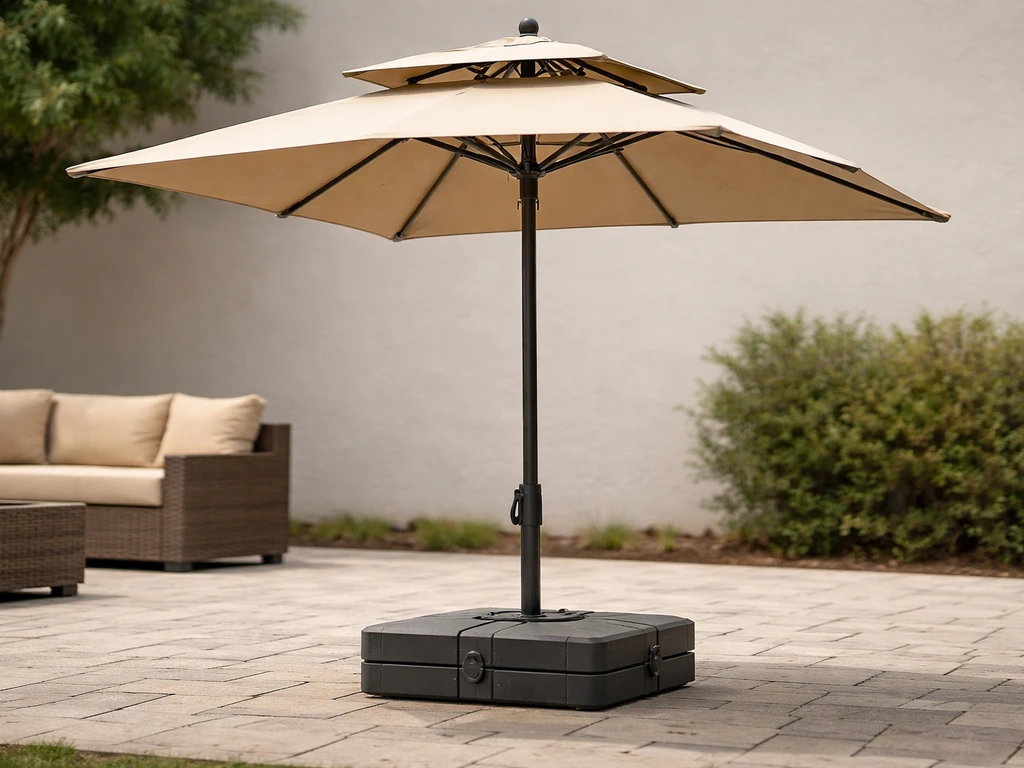
Wind is where most umbrella purchases go wrong. People underestimate how much leverage a 10-foot canopy creates in a 15 mph gust. The base weight recommendation from most manufacturers starts at 50 pounds for an 11-foot market umbrella, with 75 pounds recommended for anything in a windier spot. For cantilever umbrellas, plan for 75 to 100 pounds minimum because the offset pole creates far more torque. Some cantilevers like the PURPLE LEAF 11-foot model weigh 61.6 pounds on their own; add an undersized base and the whole thing becomes a sail.
Vented canopies make a real difference. A double-vent design lets wind pass through the canopy rather than lifting it, which reduces stress on the ribs and the base. Single-vent is decent; double-vent is better if you are regularly dealing with afternoon breezes. But vent design does not make an umbrella indestructible. Bob Vila's windy-conditions testing makes the point clearly: close the umbrella when winds hit around 20 mph or whatever the manufacturer specifies, and do not trust 'windproof' marketing language without a specific rated wind speed. BobVila’s “Best Patio Umbrellas of 2026, Tested and Ranked” includes patio umbrellas that are sold via Amazon Bob Vila's windy-conditions testing.
The PURPLE LEAF instruction manual is blunt about this: 'Close the umbrella in windy conditions or when a storm... Never allow the umbrella to flap in the wind.' That's good advice for any brand. An umbrella that you close during storms and reopen afterward will last years longer than one left open through every weather event.
Choosing the right base
If an Amazon listing does not include a base, budget for one separately. For an 11-foot market umbrella, a 50-pound base is the minimum and a 75-pound base is safer. Fillable bases (filled with sand or water on-site) are convenient to ship but require you to actually fill them: a base filled with only 30 pounds of water instead of its rated 55-pound sand capacity is significantly less stable. For cantilevers, many higher-end models include a base system in the box; check the listing carefully before buying one separately. The PURPLE LEAF 8-foot cantilever, for example, includes a high-density plastic fillable base rated to 55 pounds with sand or 50 pounds with water.
- Market umbrella (9–10 ft): 50 lb base minimum, 75 lb recommended for breezy patios
- Market umbrella (11 ft): 75 lb base minimum
- Cantilever / offset (11–13 ft): 75–100 lb base; many come with a base, confirm before buying
- Fillable bases: fill completely with sand (heavier than water) for maximum stability
- Cross bases with weight plates: good for larger cantilevers, easy to add plates over time
Best picks by category: what to actually buy on Amazon
Rather than listing specific model numbers that change with Amazon inventory, here is how I'd approach each category and what specs to filter for. These guidelines hold up whether you are shopping today or six months from now, since the core specs stay consistent even as specific listings rotate.
Best value: solid performance without overpaying
Target the $80 to $130 range for an 9-to-11-foot market umbrella. Filter for: aluminum pole, 240 gsm polyester canopy, UPF 50+, and push-button tilt. Brands like AmazonBasics, ABCCANOPY, and Sunnyglade consistently land in this tier with decent reviews. Pair with a separate 50-pound base. Do not expect premium crank-lift mechanisms or fiberglass ribs at this price, but for a summer or two of casual use these work well.
Best premium pick: built to last multiple seasons
In the $180 to $300 range, look for 11-foot cantilever or market umbrellas with aluminum frames, fiberglass ribs, double-vent canopies rated UPF 50+, and a 360-degree rotation function if it's a cantilever. PURPLE LEAF and Grand Patio's Napoli series are the names that come up most consistently in this tier on Amazon. The Grand Patio Napoli uses double polyurethane-coated polyester; the PURPLE LEAF uses 240 gsm yarn-dyed polyester with aluminum ribs throughout. Both are solid. If you have to pick one, go with whichever includes the base system, since that saves you $40 to $60 on a separate purchase.
Best compact option: small spaces and balconies
For a bistro table, small balcony, or two-person seating area, an 8-to-9-foot market umbrella in the $50 to $90 range does the job. Focus on a lightweight aluminum frame (you may need to move it) and a crank-open mechanism rather than a push-pole. A 35-to-50-pound base is sufficient at this smaller size. Some 8-foot cantilevers also work well on compact decks when you need pole-free coverage over a chair or lounger.
Best heavy-duty pick for windy areas
If you are in a coastal area, on an elevated deck, or anywhere with consistent afternoon wind, prioritize fiberglass ribs (not aluminum ribs), a double-vent canopy, and a base system rated at 75 pounds or more. A 13-foot cantilever with an included base can cover 120 square feet of shade (the standard spec for that size) while handling more wind stress than a smaller market umbrella ever will. Plan to spend $250 or more for a genuinely wind-capable setup. And again: close it at 20 mph regardless of how heavy-duty the listing claims it is.
Your next steps: measure, filter, and buy with confidence
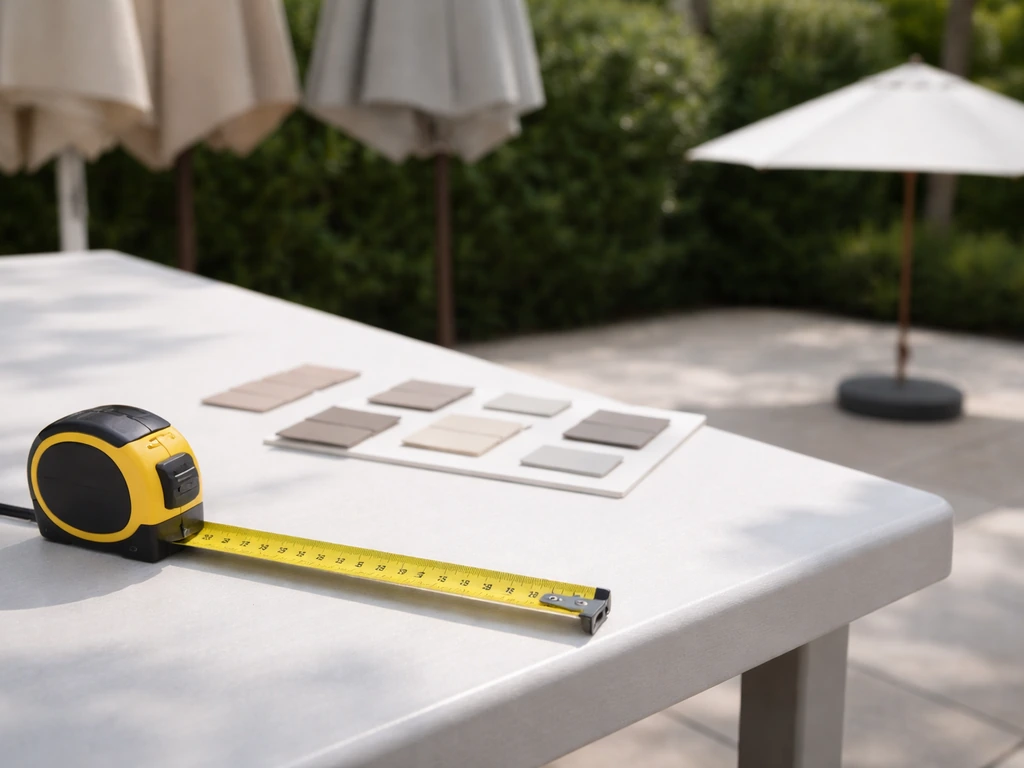
Here is exactly what to do before you click 'add to cart' on anything. Measure your table's length and width, then add 2 feet on each side to get your minimum umbrella diameter. Check whether your table has a center pole hole (market umbrella territory) or not (lean toward cantilever). Note your approximate wind exposure: sheltered urban patio is low, open suburban backyard is medium, elevated deck or coastal is high. Set your base budget separately from your umbrella budget.
- Measure your table or seating area: length, width, and available floor space around it
- Decide on market vs. cantilever based on your table type and whether you want an unobstructed center
- Set your minimum umbrella diameter (table width + 4 feet as a baseline)
- Filter Amazon for: aluminum frame, 240 gsm+ polyester, UPF 50+, and vented canopy
- Check that the listing includes a base or budget $40–$80 extra for a 50–75 lb standalone base
- Read the one- and two-star reviews specifically for mentions of rust, wobble, or canopy tearing after one season
- Confirm the return window: patio umbrellas should have at least 30 days to test in real conditions
If you want a broader look at what was performing well in recent seasons, the best patio umbrella roundups from 2024 and 2025 cover many of the same models you will find on Amazon today, since top-performing umbrellas tend to stay in production for two to three years. If you are comparing options from that period, look for the best patio umbrellas 2017 recommendations that match today’s key specs like UPF rating, fabric weight, and base stability. If you want a snapshot of standout options, compare this guidance with the best patio umbrella 2022 picks and features that were most reliable that year. Reddit communities focused on outdoor furniture and patios are also genuinely useful for unfiltered owner feedback over time, which complements what you find in Amazon reviews. Reddit threads can also help you spot common failures like wobbly bases or fading canopies before you buy Reddit communities focused on outdoor furniture and patios. The combination of doing your own measurements, filtering by real specs, and checking independent owner feedback is what separates a purchase you are happy with in year three from one you regret by the end of summer one.
FAQ
What’s the fastest way to tell if an Amazon patio umbrella is actually good for UV and longevity?
If the listing does not clearly state either the canopy fabric weight in gsm and the UV rating (or UPF), treat it as a red flag even if the price looks good. Many umbrellas use thin fabric that may feel similar in photos but fades quickly and tears sooner, especially when left up between sunny days and storms.
Can I buy a cheaper fillable base and just add sand or water to make it stable?
Yes, but only if the base is sized correctly for that umbrella and wind zone. A base that’s “fillable” still needs to be filled to spec before use, and you should verify the umbrella’s total base recommendation (market vs cantilever) rather than relying on the base’s standalone weight rating.
Is double-vent really worth it, or will single-vent work for most patios?
Look for a double-vent design, and then match it to your conditions. If you live in an area with frequent afternoon breezes, double-vent usually reduces canopy lift and strain on ribs. If your area is mostly calm, a single-vent may be fine, but “vented” without any description of vent count is too vague.
What should I choose if my table has no center hole?
For market umbrellas, the pole usually requires a pre-drilled table hole, so if your dining setup is set permanently or doesn’t have a center opening, cantilever is often the easier fit. If you have a center hole and prefer simplicity, market is typically more stable because the weight is centered.
How do I know an umbrella will shade the people I actually want to cover, not just the tabletop?
Measure canopy clearance, not just table coverage. For lounge seating or pool decks, ensure the umbrella can reach far enough past chair backs and that the height range works with where you sit, not where the table is. Some umbrellas list diameter, but not the useful coverage at your seated eye level.
If my umbrella is rated for high winds, do I still need to close it during gusts?
UPF and fabric weight affect sun protection, but they do not replace proper storm behavior. Even the best-rated umbrellas should be closed in high winds or when the manufacturer specifies, and you should avoid letting it flap when a breeze picks up.
Will a water-repellent patio umbrella hold up in heavy rain?
A “water-repellent” canopy can handle light rain, but it may soak through during heavier storms or prolonged exposure. If you get frequent afternoon downpours, prioritize double-coated or polyurethane-treated canopies, and plan on drying and moving it before storing to reduce mildew risk.
Why do coastal and high-wind areas recommend fiberglass ribs over aluminum ribs?
For coastal or consistently windy areas, prioritize fiberglass ribs and a heavier, correctly sized base, even if it costs more upfront. Fiberglass flexes rather than snapping under gust stress, and wind-capable setups usually need more mass because torque increases with canopy size and cantilever offset.
What’s the difference between tilt and rotation, and which do I actually need?
Yes, but only if the design supports it. Many common umbrellas use a push-button tilt, while some cantilevers offer full 360-degree rotation. Before buying, check whether the tilt is adjustable and whether the rotation applies to the whole canopy assembly or just a limited angle.
How can I avoid getting a wobbly umbrella after assembly?
Test stability with your actual conditions, not the listing image. Put the umbrella in place and check for wobble with light-to-moderate movement, then confirm you’re using the base weight and filling method the umbrella expects. Underfilled bases are one of the most common reasons umbrellas feel loose.
How should I interpret “windproof” claims on Amazon?
If “windproof” is mentioned without a specific rated wind speed and guidance on closing, it’s marketing. Use the manufacturer’s stated conditions (or choose a model that includes them) and budget for a heavier base if you’re on an elevated deck or open backyard.
What if my table is rectangular, but I’m looking at a round umbrella?
In most cases, your minimum diameter rule should be treated as a coverage target, not a guarantee of shade. If you’re shading a rectangular table, a round canopy may leave long-side gaps, so consider a rectangular or an offset cantilever that can position the canopy over different spots.
Is the umbrella’s weight the main factor, or do I need to look at other specs too?
Don’t assume the umbrella’s listed weight equals the stability you’ll get. The base system, rib material, and frame quality matter, and cantilevers often require a heavier base because the offset pole creates more leverage. Check both umbrella and base specs, then budget based on the combination.