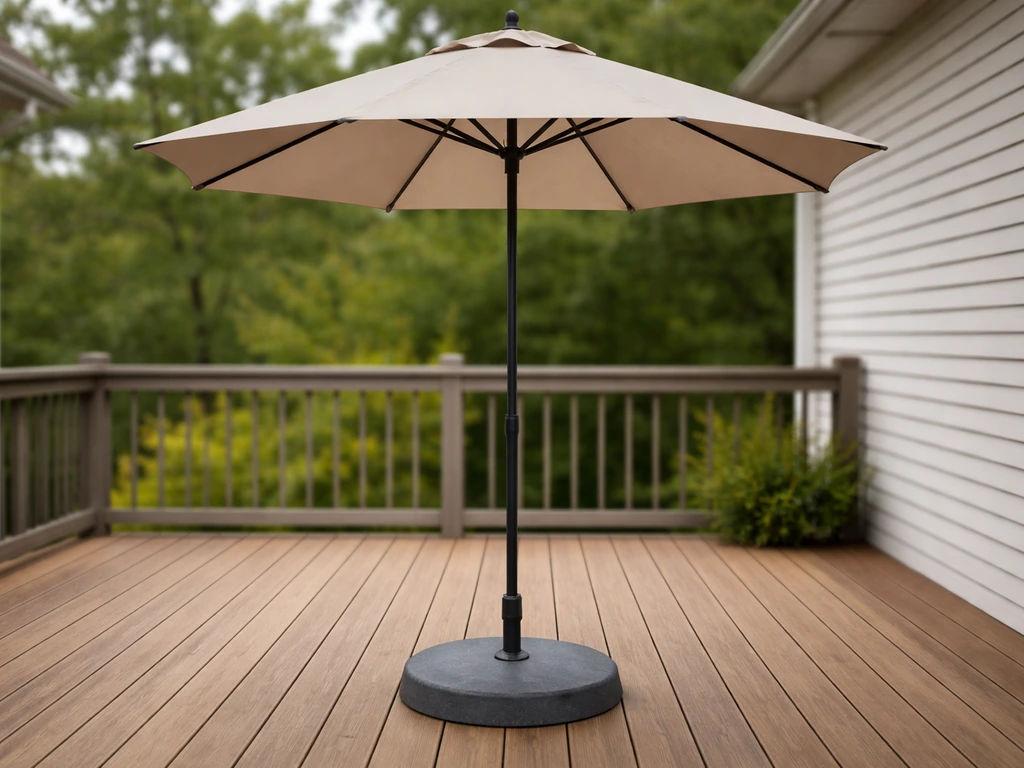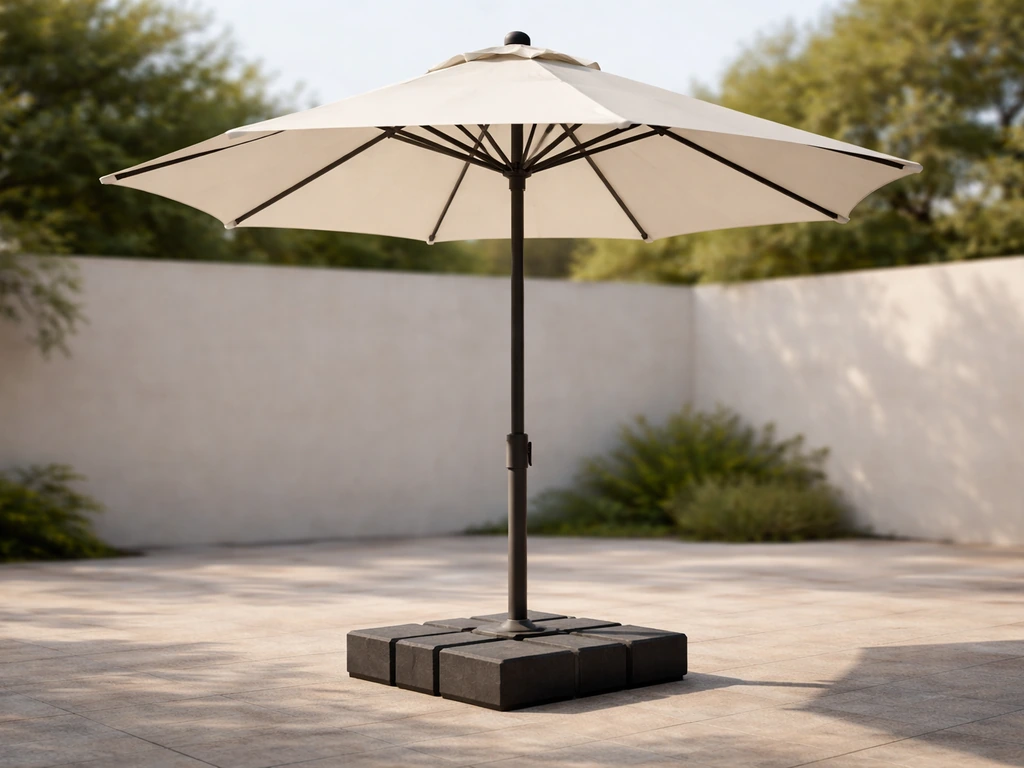
The most durable patio umbrellas share a short list of traits: an aluminum or fiberglass frame with a powder-coated finish, solution-dyed acrylic fabric (think Sunbrella or similar), reinforced ribs with metal ferrules, and a base heavy enough to keep the whole thing planted when wind picks up. Get those four things right and you'll have an umbrella that lasts five to ten years in real outdoor conditions rather than folding after one stormy summer.
Best Sturdy Patio Umbrella: Durability Checklist

Kent Lang
23 Jun 2026
How to judge durability in a patio umbrella
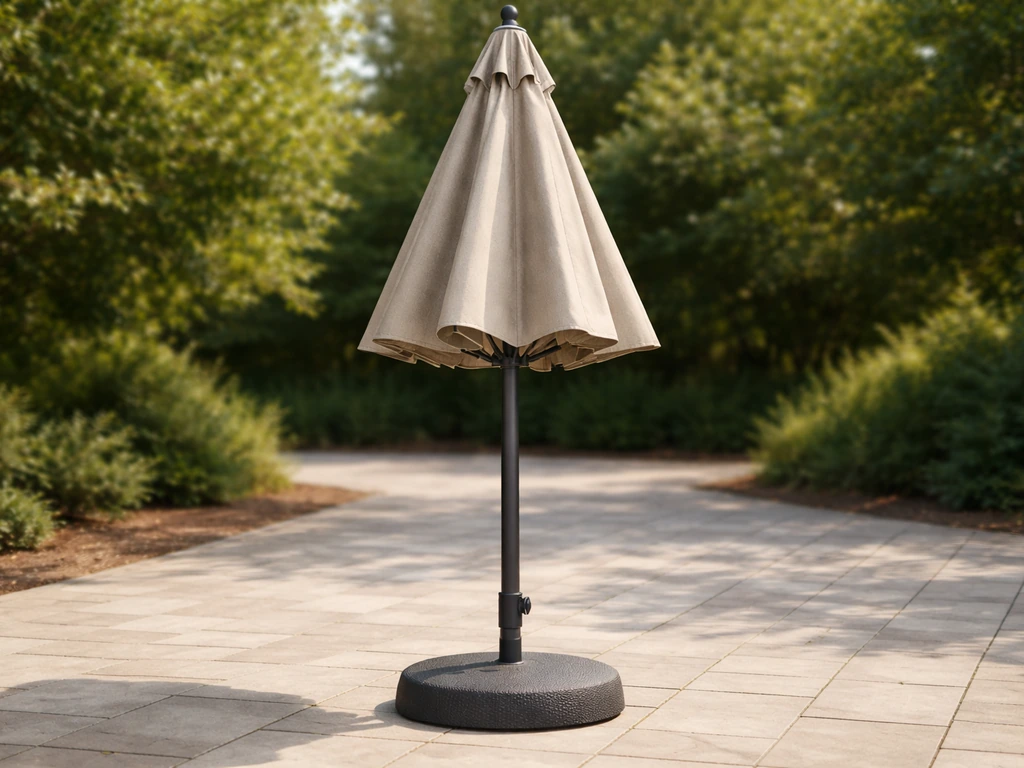
Most umbrella marketing is useless for evaluating actual durability. Words like 'heavy-duty' and 'commercial-grade' show up on products that fall apart in a season. What you want to look at instead are specific construction details: the frame material and diameter, the rib material and count, the hardware quality, the fabric specs, and whether the manufacturer offers replacement parts.
One concrete benchmark worth knowing: ASTM F3512-21 is a wind-tunnel-based test standard developed specifically to evaluate the structural integrity of market umbrellas across the pole, frame, canopy, and base. ASTM created it because poorly designed or maintained umbrellas can be broken, dislodged, or even become airborne in wind. If a manufacturer references this standard, that's a real signal, not just a sticker. Most cheap umbrellas have never been near a wind tunnel test.
Beyond certifications, the best durability check you can do before buying is this: look up whether the brand sells replacement ribs, rib tips, crank mechanisms, and fabric. Brands like Treasure Garden, Above, Shademaker, and Sun Garden all publish replacement part documentation and sell individual components. That matters because ribs break before anything else does, and if you can swap a broken rib rather than buying a whole new umbrella, you've just tripled your product's lifespan. A brand that doesn't support repairs is betting you'll throw the umbrella away when it gets dinged.
Most durable umbrella styles: market, cantilever, and offset
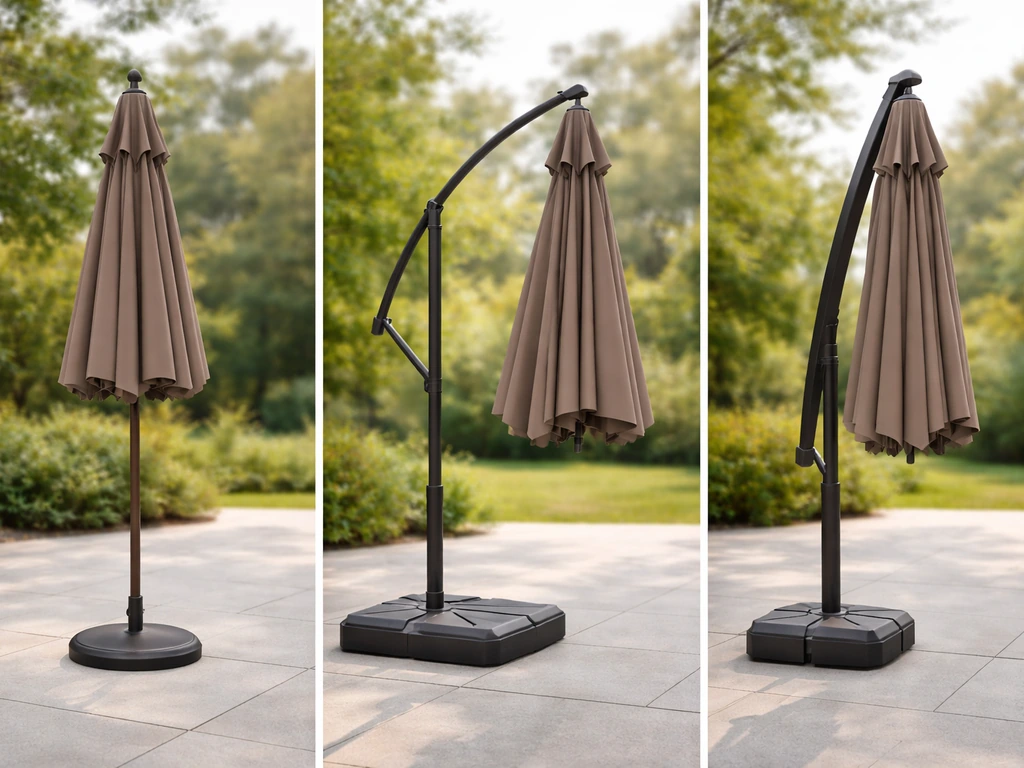
Style affects durability more than most people realize, because it determines how the umbrella handles wind load and how much mechanical stress the moving parts take every time you open, tilt, or adjust it.
Market (center pole) umbrellas
A traditional market umbrella with a center pole running through a table is structurally the most stable design available. The pole is braced by the table itself, which acts as a second anchor point. This is why you see this style at every outdoor restaurant that stays set up through the entire season. The trade-off is that you need a table with a center hole, and tilting the canopy puts sideways stress on the pole over time.
Look for a pole diameter of at least 1. 5 inches in aluminum or wood. Anything thinner flexes under wind load and will eventually crack at the tilt collar. If you’re comparing alternatives, use this same stability logic when shopping for the best patio umbrella stands so the base and pole stay locked in place during wind.
Cantilever and offset umbrellas
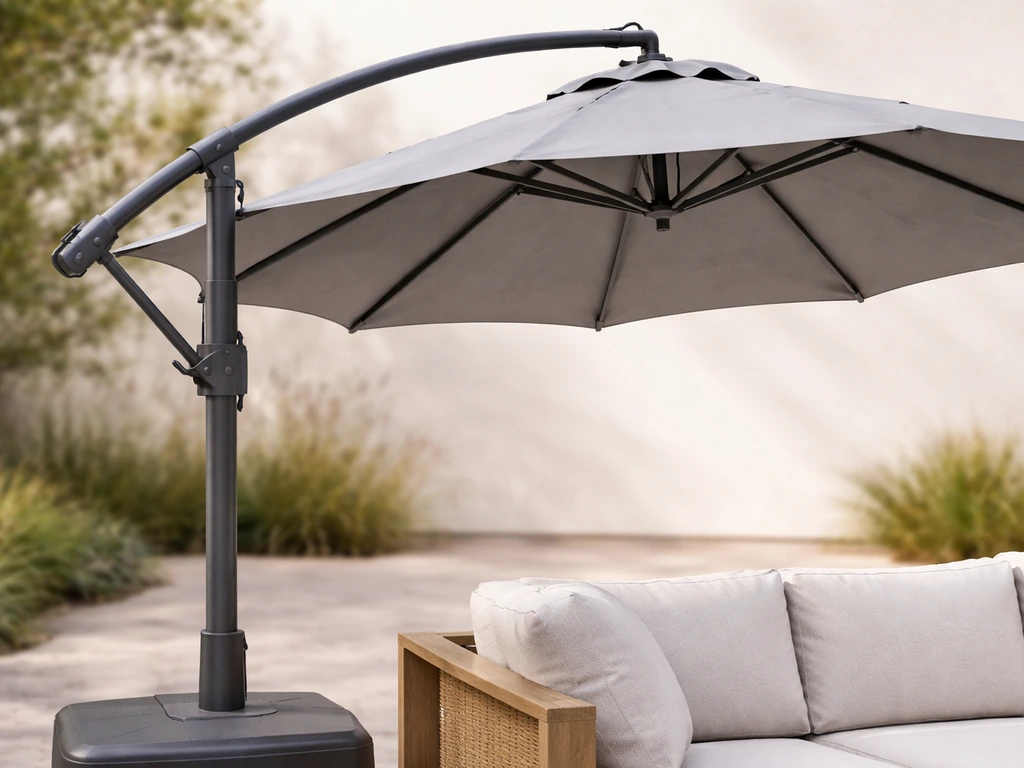
Cantilever and offset umbrellas have a side-mounted pole that arcs over the seating area, leaving the center completely clear. This is genuinely useful for sectional sofas and loungers, but the design puts significant torque on the base and the arm joint. To get the best results, match your patio umbrella stand's weight rating to the umbrella's size and wind exposure so it stays stable in gusts base.
That torque means the base requirements are much more demanding, the hardware at the pivot point wears faster, and the whole system is more vulnerable to wind from below the canopy. For durability, look specifically at the cross-base footprint, the locking mechanism at the arm joint, and whether the canopy can be angled or rotated to vent wind rather than catch it.
Well-built cantilever umbrellas from Sun Garden and similar manufacturers use locking double-stitching and French seams on the canopy fabric specifically because the canopy experiences more movement in wind than a center-pole umbrella would.
Which style holds up best overall
| Style | Wind Stability | Mechanical Complexity | Repairability | Best For |
|---|---|---|---|---|
| Market (center pole, in table) | Highest | Low | Easy | Dining tables, long-term outdoor setups |
| Market (center pole, freestanding) | Good with proper base | Low | Easy | Flexible placement, moderate wind areas |
| Cantilever/Offset | Moderate (base-dependent) | High | Moderate | Lounge seating, shade without a center pole |
If maximum durability is your single priority, a center-pole market umbrella anchored through a table wins. If you need a cantilever for your space, go heavier on the base than you think you need and choose a brand with documented hardware replacement parts. For extra stability, look for the best patio umbrella with a weighted base that matches your wind exposure and canopy size go heavier on the base.
Materials that actually hold up outdoors
Frame and pole
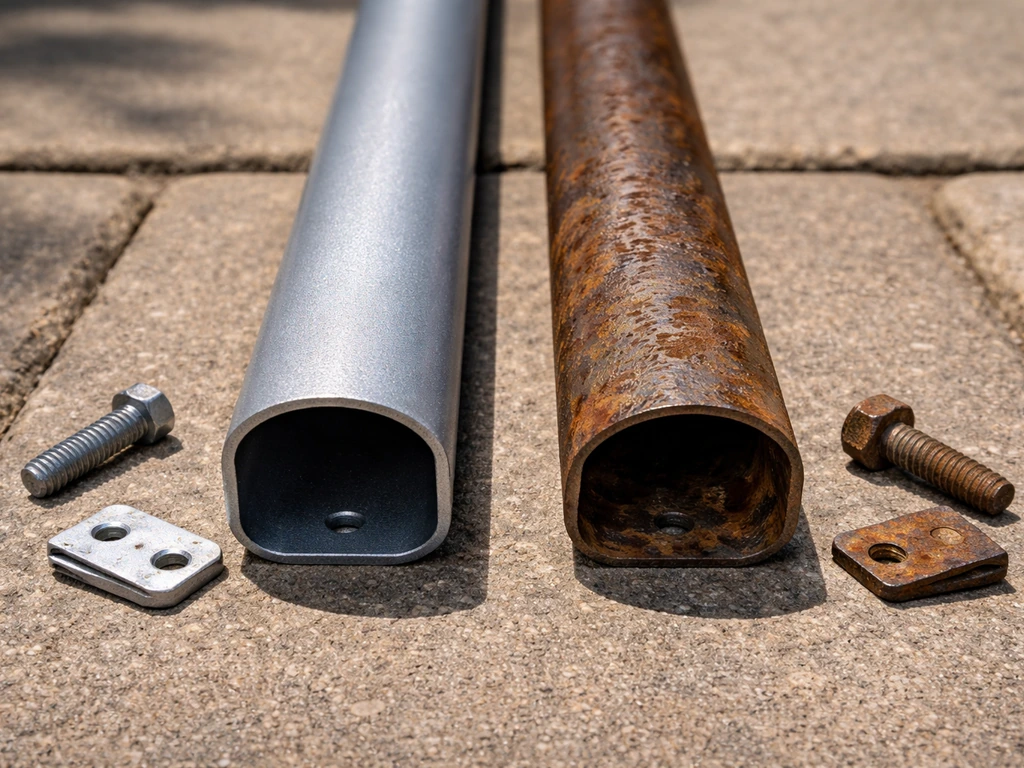
Aluminum is the best all-around frame material for most homeowners. It doesn't rust, it's light enough to move around, and when it's powder-coated correctly (with proper substrate pre-treatment before the coating is applied), it resists corrosion and mechanical damage for years. Steel frames are heavier and stronger in flex, but they rust unless the coating is perfectly maintained, which it won't be outdoors. Hardwood poles like teak look great and are genuinely durable if you oil them annually, but they'll crack if you neglect them. Fiberglass ribs combined with an aluminum pole is a popular high-performance combination: fiberglass flexes under wind load instead of snapping, which dramatically reduces rib failures.
Ribs and hardware
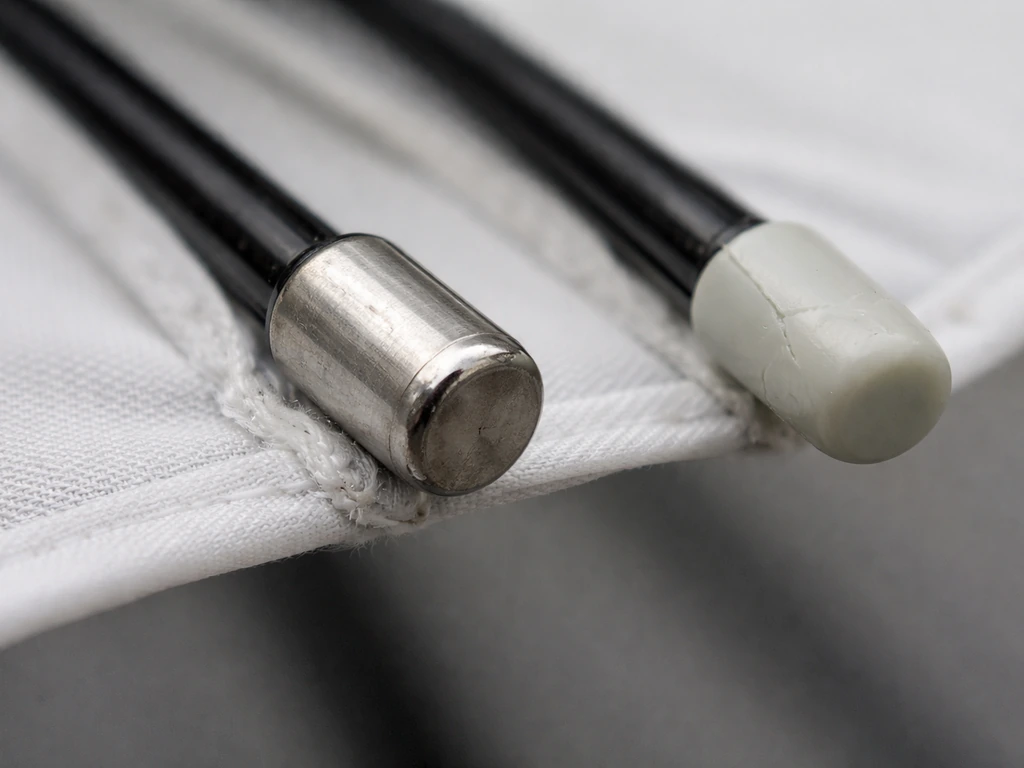
The ribs are the most failure-prone part of any umbrella. Plastic ribs snap in cold weather and under wind load. Metal rib tips (the small ferrules at the rib ends that hold the canopy fabric) corrode and break if they're made from cheap alloys. For a durable umbrella, you want either fiberglass ribs or aluminum ribs with stainless steel or high-grade zinc hardware. Check the rib count too: eight ribs distribute canopy tension better than six, which reduces stress on each individual rib. The crank mechanism and tilt collar are also worth inspecting, since these are the parts that get operated daily and wear out first.
Fabric and coating
Solution-dyed acrylic is the fabric to look for. In solution-dyed fabric, the color is part of the fiber itself rather than applied on top, which is why it resists fading so much better than printed or piece-dyed alternatives. Sunbrella is the benchmark brand, but several other manufacturers produce solution-dyed acrylic with comparable performance. Polyester canopies are cheaper and feel similar to touch, but they fade noticeably within two to three seasons in direct sun.
Whatever fabric is used, check the seam construction: reinforced double-stitched or French seams hold up far longer than single-stitched edges, especially along the outer hem where wind and rain concentrate stress. A canopy with a proper vent at the top also lets wind pass through rather than lifting the whole umbrella.
Wind resistance and stability: bases, stands, and setup
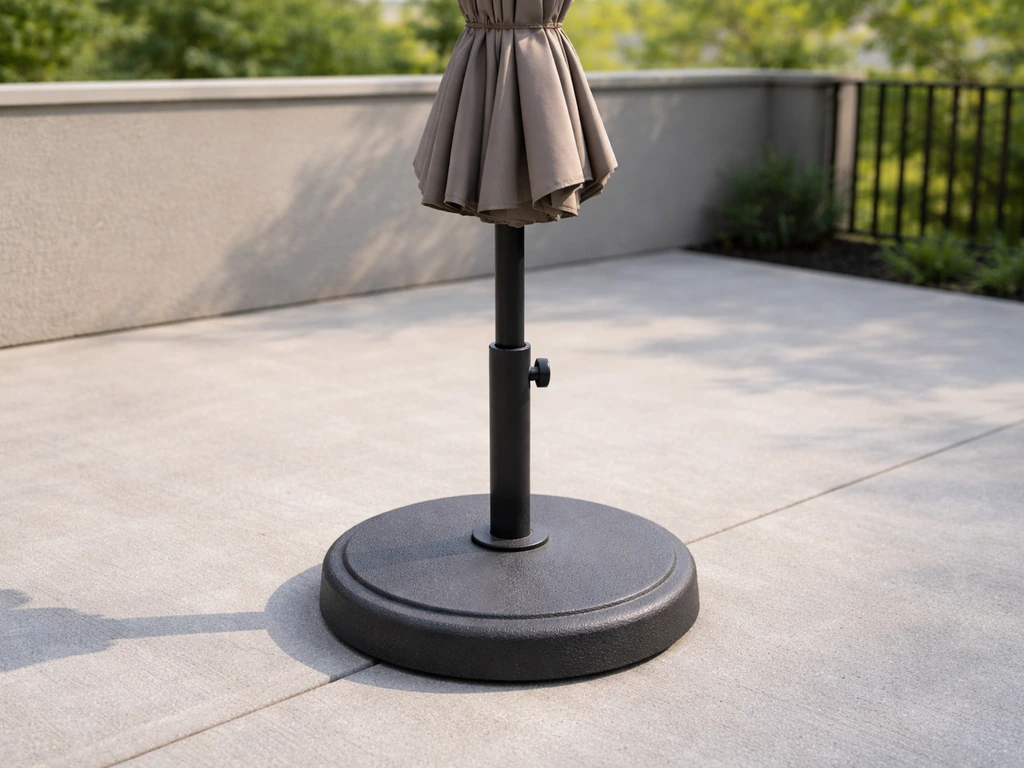
A well-built umbrella on an undersized base is just a well-built umbrella waiting to tip over. A heavy duty patio umbrella base should be sized for your umbrella’s weight and provide enough stability for the wind speeds you see where you live heavy enough base. This is where a lot of buyers make their biggest mistake, going cheap or light on the base after spending good money on the umbrella itself.
As a practical baseline, plan for about 10 pounds of base weight per foot of canopy diameter. To find how heavy your patio umbrella base should be, use the base weight per foot of canopy diameter guideline, then adjust upward for windy areas or cantilever designs. A 9-foot umbrella needs roughly 90 pounds of base to stay stable in a moderate breeze. Consumer guidance from retailers typically recommends at least 40 to 50 pounds for umbrellas in the 7.
5 to 10-foot range, but that's a floor, not a target. If you're in a windy location or using a cantilever design, go heavier. The base weight topic is closely connected to choosing the right stand and whether a weighted base or in-ground mount is the better fit for your setup.
Beyond raw weight, the base footprint matters. A wide cross-base distributes the load over more surface area and is much harder to tip than a narrow single-post base of the same weight. For freestanding umbrellas, fillable bases (filled with sand or water) can reach 100-plus pounds but are only as effective as their fill: sand is denser and more stable than water. If you’re shopping for the best free standing patio umbrella, prioritize a wide fillable base so it stays stable in gusty weather freestanding umbrellas. If you're in a consistently windy area, an in-ground anchor sleeve is the most secure option available.
Setup matters too. Closing the umbrella when you're not using it is the single most effective thing you can do to extend its life, since most umbrella failures happen when a closed umbrella gets left partially open during a storm. The CPSC has repeatedly flagged wind as the primary hazard with outdoor umbrellas, including requirements that umbrellas remain secure in wind speeds up to 30 mph under newer safety standards.
That's a reasonable benchmark for any outdoor setup: if your base won't hold your umbrella at 30 mph, it's not sturdy enough for regular outdoor use. If you are wondering what is the best patio umbrella stand, start by matching the stand and base to your umbrella size and your typical wind exposure.
UV, water, and sun-fade performance you can expect
Durability isn't just about surviving storms. Slow degradation from UV exposure, moisture, and mildew is what actually kills most patio umbrellas over time. The fabric fades, the coating cracks, mildew takes hold in the seams, and what felt like a good purchase starts looking terrible after two seasons.
UV protection is typically expressed as a UPF (Ultraviolet Protection Factor) rating. A UPF 50+ rating blocks 98% or more of UV rays, which is the standard you want in any canopy fabric you're relying on for shade. Solution-dyed acrylics typically carry UPF 50+ ratings and hold that rating for years because the color doesn't fade out (faded fabric loses UV-blocking performance as it thins). Cheaper polyester fabrics may claim UPF ratings when new but lose protection as they fade.
Water resistance is separate from waterproofing. Most outdoor umbrella fabrics are water-resistant rather than waterproof: they shed light rain quickly and don't absorb moisture in normal use, but they're not designed to sit under a downpour for hours. What matters more for durability is how quickly the fabric dries after rain and whether the seams are sealed or reinforced to prevent water from wicking through the stitching. Fabrics that stay wet trap mildew, which degrades both the fabric and the stitching from the inside. Always shake off pooled water after rain and allow the canopy to dry fully before closing it.
For the frame and hardware, the same logic applies. Powder coating protects aluminum and steel from UV-driven oxidation and from surface corrosion, but only if the coating was applied over a properly prepared surface. Cheap powder coating applied over untreated or poorly cleaned metal will peel and blister within a season in coastal or humid environments. When a manufacturer describes their finishing process in detail, including surface pre-treatment, that's a sign they're taking corrosion resistance seriously.
Practical buying checklist and what to avoid
Use this checklist before you commit to any umbrella purchase. It takes about 10 minutes and will save you from the most common durability mistakes.
- Measure your space first. For a dining table, the umbrella canopy should extend at least 2 feet beyond the table edge on each side. For a freestanding lounge setup, map the shade coverage you actually need before choosing a size.
- Match the base weight to the umbrella size. Use the 10 lb per foot of canopy diameter rule as your starting point and go heavier if you're in a windy area or using a cantilever design.
- Confirm the frame material. Look for aluminum or fiberglass ribs with aluminum pole as the baseline. Verify it's powder-coated, not just painted.
- Check the fabric spec. Solution-dyed acrylic with a UPF 50+ rating is the standard to meet. If the product listing doesn't specify solution-dyed, assume it's polyester and expect fading.
- Count the ribs and inspect the hardware. Eight ribs is better than six. Metal ferrules and stainless or quality zinc hardware outlast plastic equivalents significantly.
- Look up replacement parts before buying. Search the brand name plus 'replacement ribs' or 'replacement canopy.' If you can't find parts for sale, you're buying a disposable umbrella.
- Check for a canopy vent. A double or single vent at the top of the canopy allows wind to pass through rather than lifting the umbrella from below.
- Verify your table hole or base compatibility. Center pole umbrellas typically use 1.5-inch or 2-inch poles. Make sure your table hole or base socket matches before ordering.
Red flags to skip past
- No fabric type specified in the product description (almost always means cheap polyester)
- Plastic rib tips and hardware on a supposedly 'commercial-grade' umbrella
- A base included in the box with an umbrella: bundled bases are almost always undersized and cheaply made
- No mention of replacement parts or any repair documentation from the brand
- Tilt mechanisms described only as 'push-button' with no mention of locking: unlocked tilts spin freely in wind and stress the pole collar
- Very low price on a large canopy (9 feet and up): quality materials at that size have a real cost floor, and anything suspiciously cheap is cutting corners on the components that fail first
One final note on value: a durable patio umbrella is almost always a better investment at a higher upfront price than two or three cheap replacements. A best heavy-duty patio umbrella should combine durable materials with parts designed for repairs, so it keeps performing after rough outdoor conditions. The materials that make an umbrella last, solution-dyed acrylic, fiberglass ribs, powder-coated aluminum, and quality hardware, simply cost more to manufacture. Budget for a proper stand and base separately, since that's where a lot of buyers shortchange themselves after spending well on the umbrella itself. Get the base right and pair it with an umbrella built from real outdoor materials, and you won't be shopping for another one next summer.
FAQ
If I buy solution-dyed acrylic, will my best sturdy patio umbrella also resist mildew in humid climates?
Look for two things, the UPF rating that is tied to the actual fabric type (not just the canopy label) and seam construction that resists moisture wicking. Even solution-dyed acrylic can fail early if the outer hem stitches let water soak and mildew forms inside the canopy, so prioritize reinforced double-stitching or French seams and a design that drains and dries quickly after rain.
What’s the correct way to secure a patio umbrella during a windstorm if it keeps getting left partially open?
Yes, because wind damage is often caused by uplift and movement when a canopy is left partially open. Before storms, close the umbrella fully and if your model supports it, lock the tilt/crank in the closed position. Also remove any loose covers or fasteners that could act like a sail during gusts.
How do I tell whether a sturdy patio umbrella is actually repairable, not just marketed as durable?
Prioritize repair parts availability for the two most failure-prone areas, ribs (including rib tips/ferrules) and the crank/tilt hardware. If the manufacturer sells these items as replaceable components, you can keep the canopy geometry correct without replacing the entire umbrella, which is usually the difference between a 3-year and a 7 to 10-year lifespan.
Can I replace missing ribs or hardware with generic parts, or is it safer to buy the exact replacement kit?
If the manufacturer does not publish replacement components, treat it as a durability risk. Field repairs with generic parts can cause canopy tension changes that accelerate rib and hardware wear, especially on models with specific rib lengths, ferrule styles, and crank assemblies.
How should I choose between base weight and base footprint size for the best sturdy patio umbrella stability?
Start with the umbrella diameter, then match the base weight plus footprint width to your worst-case use. A wider cross-base reduces tip-over risk even at the same weight, and cantilever umbrellas generally need both a heavier base and better pivot locking because torque loads hit the base and arm joint more aggressively.
My base is heavy, but the umbrella still wobbles when I tilt it, what does that usually mean?
No, a high base weight is not enough if the stand or post system is underspecified. Confirm the pole diameter and the tilt collar design, then make sure your umbrella pole seats correctly and is not wobbling in the collar after tightening. Flex at the collar can create fatigue cracks even with a heavy base.
Is an in-ground mount always better than a weighted base for long-term durability?
In-ground anchors tend to be the most secure for consistent high wind because they limit movement at the base. However, they are less flexible if you change furniture layouts, so if you go with an anchor sleeve, ensure the umbrella’s pole and base design still drain water properly and do not trap moisture at the mounting point.
If my umbrella has a UPF 50+ rating, do I still need a cover to keep it durable?
UPF ratings can be misleading if they are not tied to the fabric itself and if the umbrella is left out uncovered in intense sun. For maximum longevity, choose a fabric known for colorfast performance, then use a breathable cover when you store it, because covered but wet fabric still leads to mildew and seam degradation.
How can I judge powder-coating quality without being a metal expert?
Yes. Powder coating durability depends on prep quality. Coastal or humid environments are harsher, so prioritize brands that describe surface pre-treatment steps and use hardware with corrosion-resistant alloys. Also check for smooth, even coating without bubbles or sharp overspray edges that can chip when the pole flexes.
What simple maintenance steps most improve the lifespan of a sturdy patio umbrella?
Plan for upkeep: oil hardwood poles annually (if applicable), rinse off salt and dirt, and inspect ferrules and crank bolts each season. If you catch early corrosion at the rib tips or looseness in the tilt collar, the fix is usually small and prevents cascading failures.
If one rib tip breaks, should I keep using the umbrella while waiting to replace the part?
You should replace a damaged rib or ferrule as soon as you notice it, because uneven canopy tension increases stress on the remaining ribs and crank mechanism. Leaving it broken can also change how the fabric handles wind, increasing uplift and accelerating seam failure.