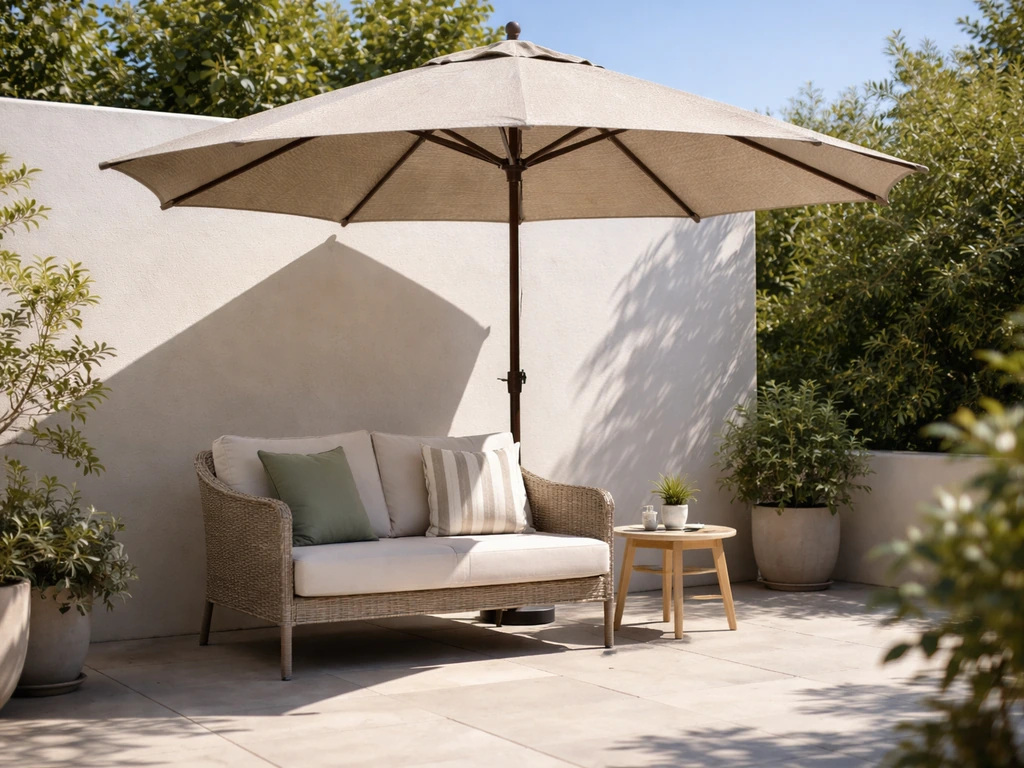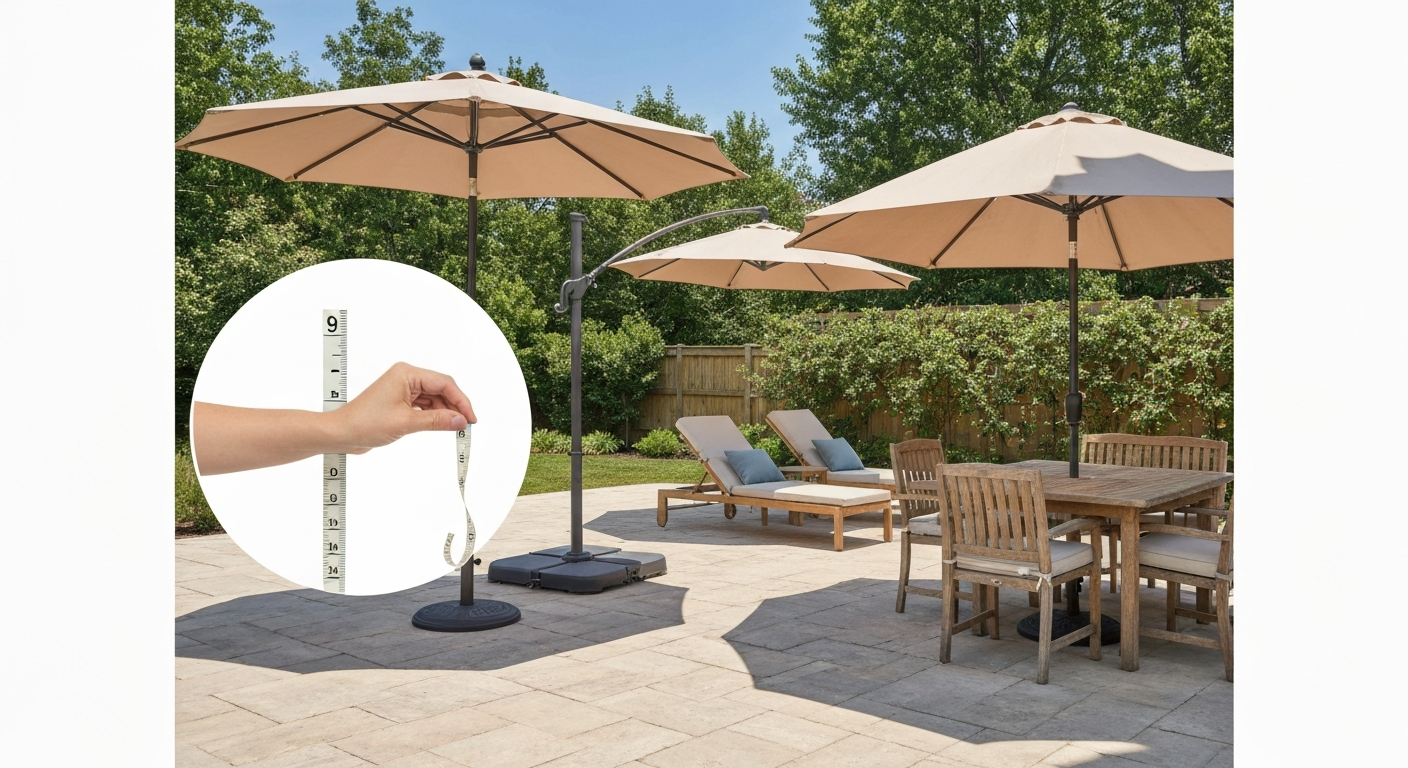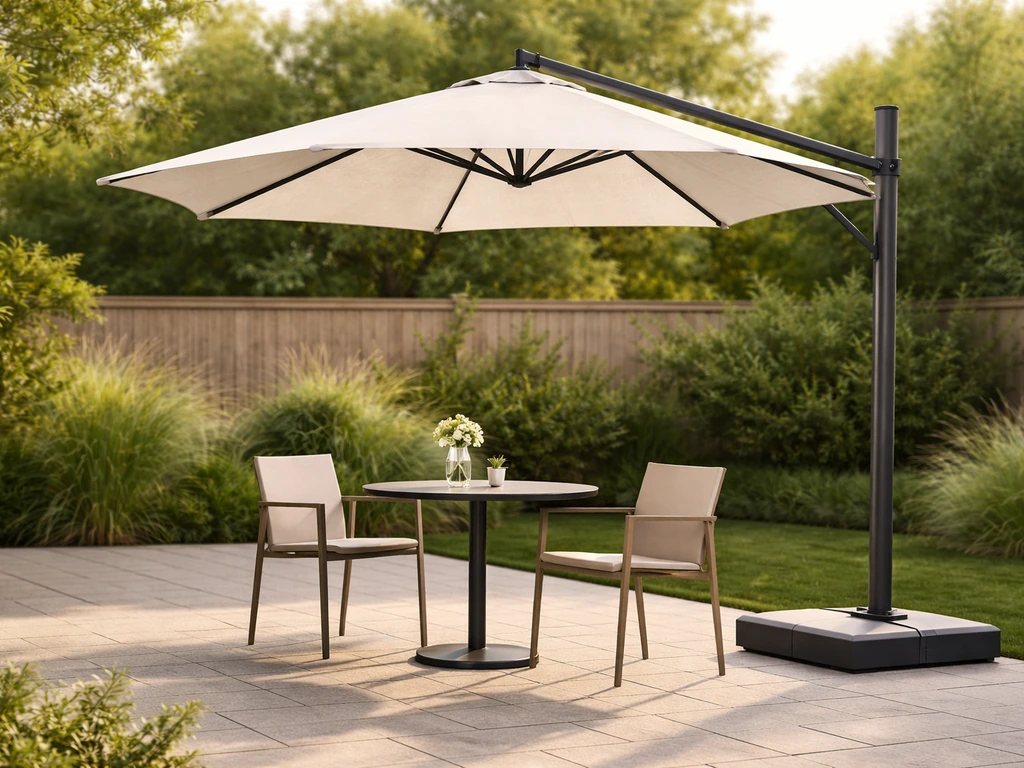
Yes, you can use a patio umbrella at the beach, but it comes with real risks and limitations you need to understand before you haul it across the sand. The short version: a quality patio umbrella with the right base and materials can work for casual beach use, but it was not designed for the job. Beach umbrellas are built for sand anchoring, wind exposure, and portability in ways that most patio umbrellas simply are not.
Can You Use a Patio Umbrella at the Beach

Kent Lang
29 May 2026

The reverse swap works better than you might expect, though. A beach umbrella on a patio is often a totally reasonable setup, especially for a season or a rental property. Here is the full breakdown so you can decide what actually makes sense for your situation.
The real differences between patio and beach umbrellas
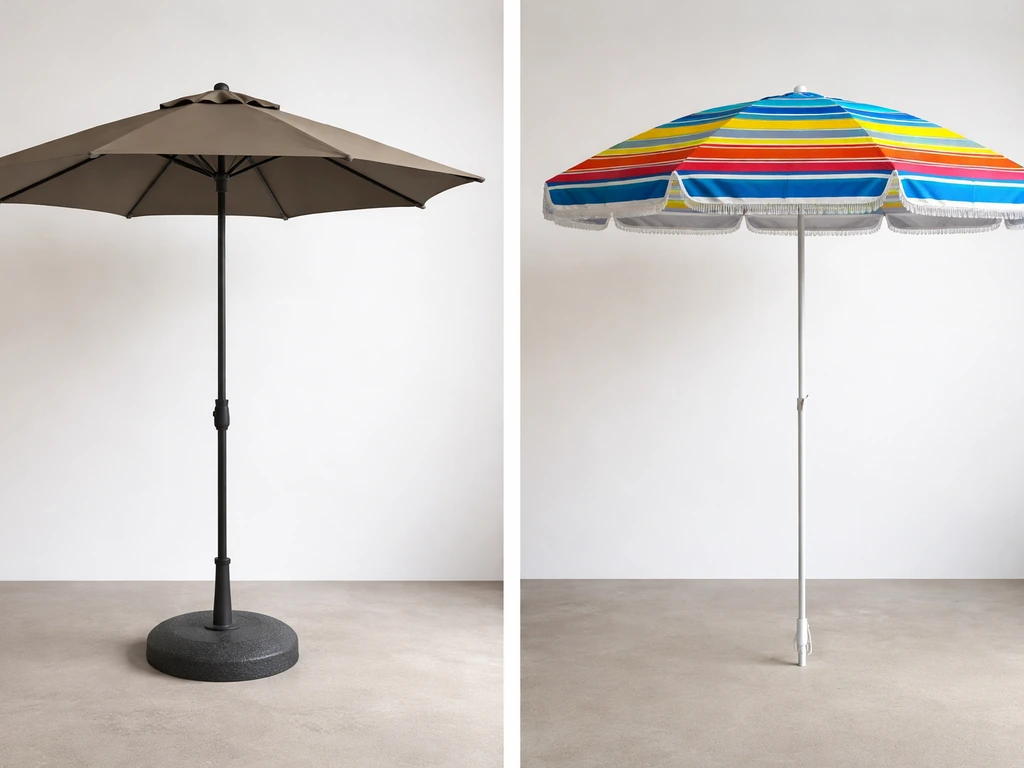
These two categories look similar from a distance but are engineered for completely different environments. Understanding what sets them apart is the fastest way to figure out whether the swap will work for you.
Wind design and anchoring
Beach umbrellas are designed around sand anchoring. The most effective designs use wide, disc-shaped bases or auger-style anchors that you bury or twist into the sand to resist being pulled upward by wind. The CPSC has made this a safety priority after documented cases of beach umbrellas becoming airborne and causing serious injuries, including lacerations and impalement. A properly anchored beach umbrella should resist at least 75 pounds of upward force and stay secure in winds up to 30 mph.
Patio umbrellas rely on weighted bases, table pole holes, or in-ground mounts on firm, flat surfaces. They are not designed to be staked into sand at all, which is exactly the problem when you try to use one at the beach.
Corrosion resistance
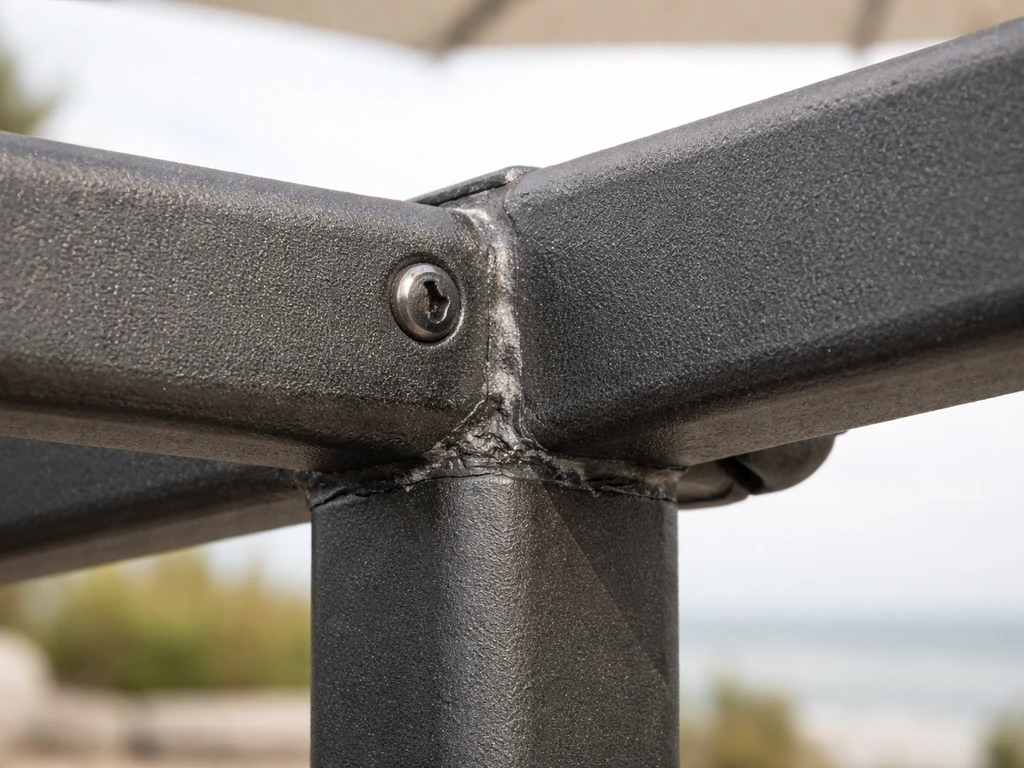
Saltwater and salt air are aggressive. Most patio umbrella frames use powder-coated aluminum or steel, and while powder coating offers some protection, the welds, joints, and any chips or scratches in the coating will start to corrode faster than you would expect with repeated salt exposure. Beach umbrellas tend to use simpler aluminum or fiberglass construction with fewer crevices where salt and moisture can collect. If you bring a patio umbrella with steel hardware to the beach regularly, you are shortening its life noticeably.
Tilt, height, and canopy size
Patio umbrellas often feature push-button or auto-tilt systems that let you angle the canopy to follow the sun. That is genuinely useful on a patio, but Treasure Garden's own guidance warns against holding the tilt at maximum angle for extended periods because it can damage the mechanism. At the beach, that kind of tilt system is extra mechanical complexity exposed to sand and saltwater, which is a bad combination. Beach umbrellas are typically simpler: a straight pole, a tilt angle baked into the design, and a canopy sized for one or two people. Patio canopies (usually 9 to 11 feet) are often larger and catch more wind, which makes them harder to manage safely without a stable base.
When a patio umbrella works at the beach (and when it does not)
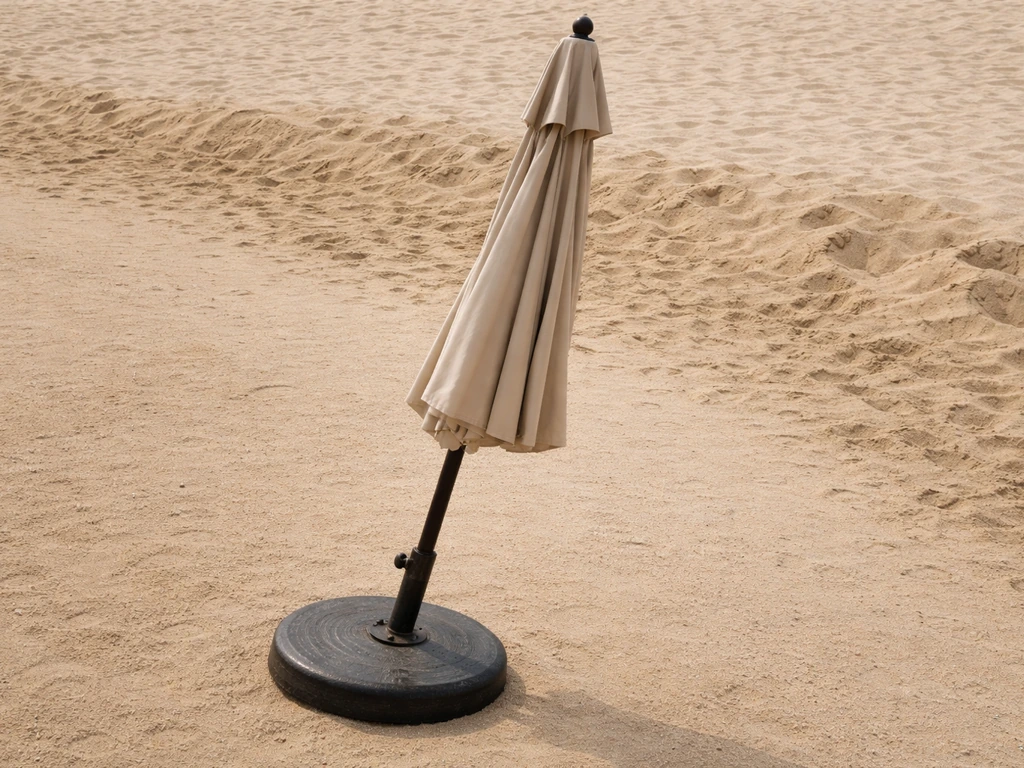
The honest answer is that a patio umbrella works at the beach only under fairly specific conditions. If you are setting up on a hard-packed surface at a beach house deck or patio right at the water's edge, your patio umbrella and its weighted base will function fine. The problem starts when you want to plant it in loose sand on the actual beach.
A patio umbrella base designed for a flat surface cannot anchor into sand reliably. Even a 50-pound base that is rock-solid on your patio deck will tip over or shift in soft sand because sand does not support weight the same way a solid surface does. And once an umbrella tips in the wind, a large canopy becomes a sail. The CPSC has documented exactly this kind of accident. So if you are thinking of carrying a 9-foot market umbrella and a heavy base down to the sand, reconsider. The logistics alone are brutal, and the safety risk is real.
Where a patio umbrella does work at the beach is when you have a solid anchor point: a concrete pad, a wooden deck, a picnic table with a center pole hole, or an in-ground sleeve installed in a hardscape area near the beach. In those cases, the patio umbrella is functioning exactly as designed. Just rinse it thoroughly after every trip to manage salt exposure, and close it any time sustained winds approach 25 mph. Both Frankford Umbrellas and Bob Vila's guidance put that threshold around 20 to 25 mph for most patio umbrellas, and that is a limit you will hit regularly near the water.
| Scenario | Patio Umbrella Suitable? | Key Risk |
|---|---|---|
| Beachside deck or patio (hard surface) | Yes | Salt corrosion over time; close in high wind |
| Loose sand on open beach | No | Cannot anchor safely; becomes a projectile risk |
| Hard-packed sand or gravel near shoreline | Maybe (with heavy base) | Base can still shift; size catches more wind |
| Beach house patio table with pole hole | Yes | Low risk if rinsed and dried after each use |
When a beach umbrella works on a patio (and when it does not)
This direction of the swap is actually more forgiving. A beach umbrella on a patio works reasonably well for temporary, casual setups. If you already have a beach umbrella with a good auger or disc anchor, you can push it into soft ground or a planter box filled with sand or gravel to create a functional patio shade solution. Many people do exactly this for rental properties, camping setups, or small outdoor spaces where they do not want to invest in a full patio umbrella base.
The limitations are around aesthetics, stability, and shade coverage. Beach umbrellas are typically smaller (6 to 7 feet in diameter), lighter in construction, and not designed to look polished in a furnished outdoor space. They also lack the weighted base that gives patio umbrellas their stability on flat surfaces. On a wood deck or concrete patio, a beach umbrella stuck into a sand-filled bucket is less stable than a real patio umbrella in a 50-pound weighted base. For a permanent or semi-permanent patio setup, it is not the right tool. For a weekend solution or a tight budget, it can absolutely work.
The other issue is canopy size. If you need to shade a dining set with four or more chairs, a standard beach umbrella will not cover enough area. You really need a 9-foot or larger canopy for that. A beach umbrella is shade for a chair or two, not a table for six.
Setup and safety checklist before you plant anything in the sand
Whether you are using a patio umbrella near the beach or a beach umbrella on your patio, setup details determine whether you have a comfortable afternoon or a dangerous one. Run through this before you open anything.
- Choose the right anchor for the surface: On sand, only use a purpose-built beach umbrella anchor: an auger (screw-in) or disc-shaped base that buries flat for maximum hold. Do not try to bury a patio umbrella base in sand.
- Check base weight for patio use: On a hard flat surface, a patio umbrella needs at least 50 pounds of base weight for a 9-foot canopy, and more for anything larger or in windier locations. Do not underweight the base.
- Verify pole diameter match: Beach umbrella poles are typically 1 inch or less in diameter. Patio umbrella poles commonly range from 1.5 to 2 inches. Mixing the two into the wrong base will leave you with a wobbly or unsafe setup.
- Check wind conditions before opening: Close and secure any umbrella when sustained winds reach 20 to 25 mph. Near the water, conditions change fast. If you see whitecaps, check the wind before you open the canopy.
- Do not use tilt at maximum angle for extended periods: If your patio umbrella has a tilt function, use it, but do not leave it at maximum tilt for hours. It stresses the mechanism and makes the canopy more vulnerable to gusts.
- Never leave an open umbrella unattended: This applies to both types. A gust can become dangerous in seconds with an unattended open umbrella, especially on a beach where wind is unpredictable.
- Position the umbrella to minimize wind catch: Open-beach spots with no windbreaks are the most dangerous. If possible, use natural windbreaks (dunes, structures) to reduce direct wind load on the canopy.
- Secure the canopy cover when closed: When you close the umbrella, tie or velcro the canopy wrap so it does not flap open in a sudden gust.
Protecting your umbrella after beach exposure
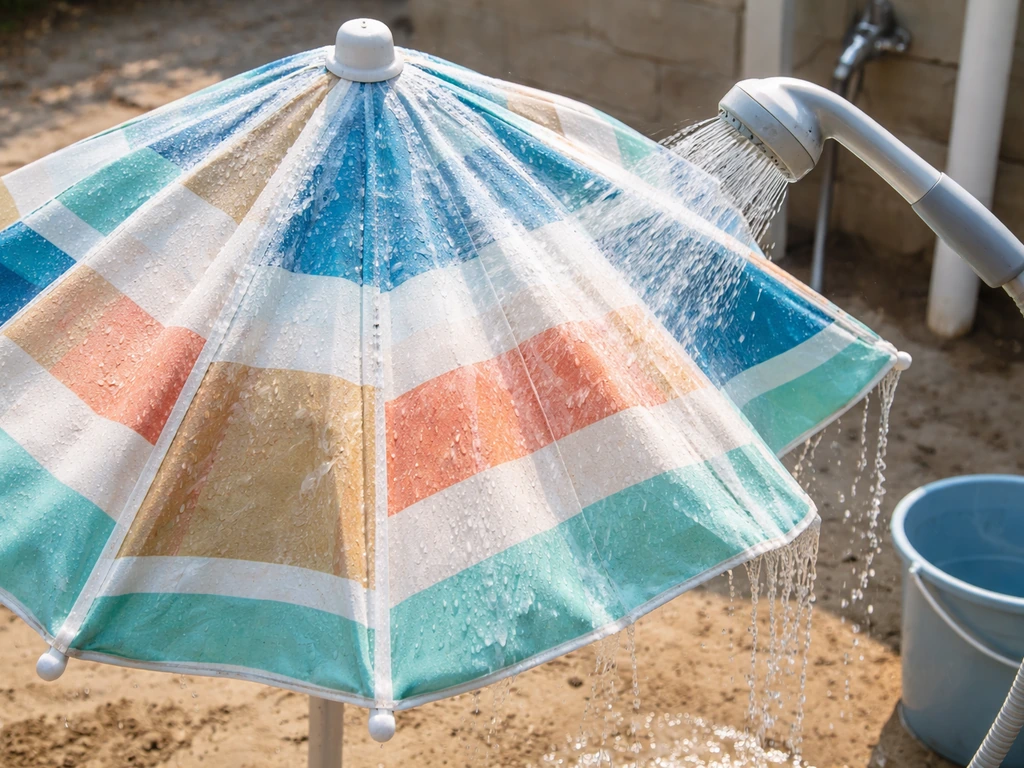
Salt is the main enemy. It accelerates corrosion in metal frames, degrades fabric coatings, and works its way into joints and mechanisms. After any beach use, rinse the entire umbrella thoroughly with fresh water, including the pole, ribs, joints, and crank handle. Let it air dry completely before storing or closing. Do not trap moisture inside a wet canopy cover.
For the canopy fabric, a simple freshwater rinse removes most salt and fine sand. If you have a Sunbrella or similar solution-dyed acrylic fabric, it is mildew-resistant and fade-resistant, but it is not fully waterproof by default. It can help to choose patio umbrellas with water-resistant fabric and good drainage so they are less likely to get soaked during light rain. Salt and UV exposure will break down the water-repellent finish over time.
After a season of beach use, treat the fabric with 303 Fabric Guard to restore water repellency. According to Sailrite's guidance on this product, a proper retreatment restores repellency to about 85 to 90 percent of like-new performance. For UV protection, Sunbrella Plus fabrics offer UPF 50+ ratings, which is worth prioritizing if sun protection is a reason you are using the umbrella.
If you are shopping for the best uv protection patio umbrella, a UPF 50+ canopy fabric is one of the most reliable specs to look for.
For the frame, inspect the powder coating after beach trips. Any chip or scratch is a corrosion starting point, especially if there is steel in the construction. Touch up small chips with rust-resistant touch-up paint. For aluminum frames, corrosion is less aggressive but still worth watching at joints. Treasure Garden recommends removing the umbrella from its base and storing it in a dry, protected place when not in use, which is especially smart after salt exposure.
Store the umbrella covered with a protective cover when not in active use. A good cover with a tie or strap (like the string-tie design Treasure Garden includes on their covers) prevents the cover itself from blowing off and keeps the canopy clean and protected between uses.
What to buy if you need to cover both environments
If you genuinely split time between a beach property and a home patio and want one umbrella to handle both, here is what to prioritize in the spec sheet.
Frame and pole material
Aluminum is the right call for any beach-adjacent use. It does not rust the way steel does, it is lighter to transport, and it holds up far better in salt air. Look for a one-piece or two-piece pole rather than a three-section telescoping design, because more joints mean more places for salt to cause problems. Avoid steel-heavy frames unless they are stainless or heavily powder-coated with no exposed hardware.
Canopy fabric
Solution-dyed acrylic fabric (Sunbrella is the benchmark here) is the best choice for mixed-environment use. It resists fading, mildew, and UV degradation better than polyester or cheaper woven fabrics. For beach use specifically, UV protection matters a lot, since you are not sitting in dappled shade, you are in direct coastal sun. A UPF 50+ rating from the fabric is a meaningful spec, not just marketing. If UV protection is a top priority, that is a topic worth researching further in the context of patio umbrella selection overall.
Base and anchoring system
This is where most people under-invest. For a patio umbrella you plan to use near a beach house, a 50-pound or heavier base is the starting point for a 9-foot canopy. For windier coastal environments, go heavier. Some cantilever or market umbrella systems, like those offered by Stay Put Umbrellas, advertise operation in winds up to 38 mph with the right setup, but those are optimal-condition numbers.
Stay Put Umbrellas, for example, says its cantilever market umbrellas can rotate 360° and operate in moderate winds up to 38 mph, with instructions to crank the umbrella down and secure it when wind reaches 38 mph operate in winds up to 38 mph. Real-world guidance from most manufacturers puts the close-it-down threshold at 25 mph.
Budget accordingly and do not rely on marketing wind ratings as operational limits.
Patio umbrella vs. beach umbrella: quick comparison
| Feature | Patio Umbrella | Beach Umbrella |
|---|---|---|
| Canopy size | 9 to 13 feet typical | 6 to 7 feet typical |
| Pole/frame material | Aluminum or steel (powder-coated) | Aluminum or fiberglass |
| Anchoring method | Weighted base or in-ground sleeve | Auger or disc sand anchor |
| Wind resistance | Varies; close at 20 to 25 mph sustained | Up to 30 mph with proper sand anchor |
| Tilt mechanism | Push-button or auto-tilt common | Manual angle adjust or fixed |
| Salt/corrosion resistance | Moderate (depends on frame) | Better (simpler construction, fewer joints) |
| Best use | Fixed patio, deck, or outdoor dining | Open beach, loose sand, portable shade |
| Portability | Low (heavy base required) | High (lightweight, compact) |
The practical recommendation
If your primary space is a beach house patio or deck and you want occasional beach use, invest in a quality patio umbrella with a marine-grade aluminum frame, a Sunbrella or equivalent UPF 50+ canopy, and a base that is at least 50 pounds. If you are wondering whether a black patio umbrella makes it hotter, the color can affect how much heat it absorbs and how warm the area feels under the canopy.
Rinse it after every beach exposure and store it covered. If you actually want to plant an umbrella in the sand regularly, buy a purpose-built beach umbrella with an auger anchor and keep your patio umbrella on the patio where it belongs. Trying to force a patio umbrella into deep sand is the scenario that ends up with someone getting hurt or an expensive umbrella destroyed by a gust.
The categories exist for good reasons, and for most people, owning one of each is the most practical solution. If you are also wondering whether black patio umbrellas attract heat, that is another reason to choose the right canopy color and fabric for hot sun exposure on your patio do black patio umbrellas attract heat.
FAQ
Can I use a patio umbrella in the sand if I buy a heavy base?
Only if the umbrella can be secured to a hard, immovable surface (concrete pad, deck, picnic table center pole hole, or an in-ground sleeve). If you plan to place it in loose sand without a true anchor, it will shift or tip, and the canopy can act like a sail in wind.
Will a 50-pound patio umbrella base keep it stable on a beach?
A patio umbrella base is not meant to resist upward pull in sand. Even very heavy weights can sink, shift, or tip in soft ground, so “heavy base” does not replace a sand-anchoring design like an auger or disc anchor.
What is the best approach if I want one umbrella for both my patio and the beach?
If you want to use one umbrella on both a patio and the beach, prioritize a marine-grade aluminum frame, a UPF 50+ (solution-dyed acrylic) canopy, and a base that fits patio use. For true beach anchoring, plan on using the beach umbrella for sand, or keep a dedicated sand-anchoring system.
How should I test stability before fully opening the umbrella on windy days?
Don’t rely on the umbrella “standing” when it’s calm. Do a wind test by keeping the canopy at a reduced height/angle if your model allows it, then stop using it if it moves even slightly. Also avoid opening fully until the base is secure and the area is clear of foot traffic.
At what wind speed should I close a patio umbrella near the water?
Yes, but only when the canopy is kept closed or the system is secured before gusts. The article’s practical threshold is around 20 to 25 mph for most patio umbrellas, and you should close it any time sustained winds approach that range.
What parts of the umbrella should I rinse after using it at the beach?
Rinse both the frame and canopy after beach use, especially joints, pole sections, crank handles, and underside areas where salt and fine sand collect. Let it air dry fully before covering or storing so you do not trap moisture under the cover.
Is it safer to keep the tilt system at a low setting on the beach?
Tilt mechanisms add moving parts that can trap salt and sand, increasing corrosion risk and wear. If your patio umbrella uses push-button or auto-tilt, avoid running it at maximum tilt for long stretches, especially in salt spray.
What canopy fabric specs matter most if I use the umbrella near the coast?
Look for solution-dyed acrylic (often marketed as Sunbrella-style) with UPF 50+ performance. If the canopy is marketed as “water-resistant,” treat it as not fully waterproof, and expect re-treatment may be needed after repeated coastal exposure.
Why does a multi-section pole matter for beach use?
Prefer marine-grade aluminum and fewer joints. A one-piece or two-piece pole reduces additional connection points where salt can accumulate compared with a three-section telescoping design.
Can a beach umbrella shade a full dining table on a patio?
Yes, but it will likely be more limited for serving shade. Most beach umbrellas cover about one to two seating areas, so if you need shade over a dining set or table, you typically need a larger canopy like a 9-foot or more patio-style umbrella.
If I only want a temporary shade solution, should I use a patio umbrella or a beach umbrella?
If you’re forced to use something temporary, a beach umbrella can be the better choice for sand-adjacent setups when it has a proper auger or disc anchor. But for placing a patio umbrella in sand regularly, the safer move is to keep it on the patio and use a dedicated beach umbrella for the beach.
Why shouldn’t I trust the umbrella’s advertised wind rating?
Don’t depend on marketing wind ratings. Use them as upper-end, ideal-condition claims, and follow a conservative operational limit you can actually meet in real coastal gusts (closing around the 20 to 25 mph range mentioned).
Does canopy color (like black) make it hotter under the umbrella at the beach?
Color can affect heat absorption, and darker canopies generally absorb more sunlight. If the beach is exposed and hot, choosing a fabric with strong UPF and managing color choice, plus rinsing and proper storage, matters for comfort and longevity.